
자폐 소형집단의 뇌 생물학, 2026년 5월 연구 TOP 5
This health signal was created by a user. It may contain unverified medical claims. Always consult a qualified healthcare professional before making health decisions.
Today's autism spectrum disorder (ASD) research converged on three core themes: **biological heterogeneity**, **genetic pathways and brain development**, and **parental mental health correlations**. There's growing evidence that ASD isn't a single disease but comprises multiple biological subtypes, with direct clinical implications for personalized diagnosis and treatment design.
Today's Autism Spectrum Disorder (ASD) Research TOP 5 — June 2, 2026
Today's Key Research
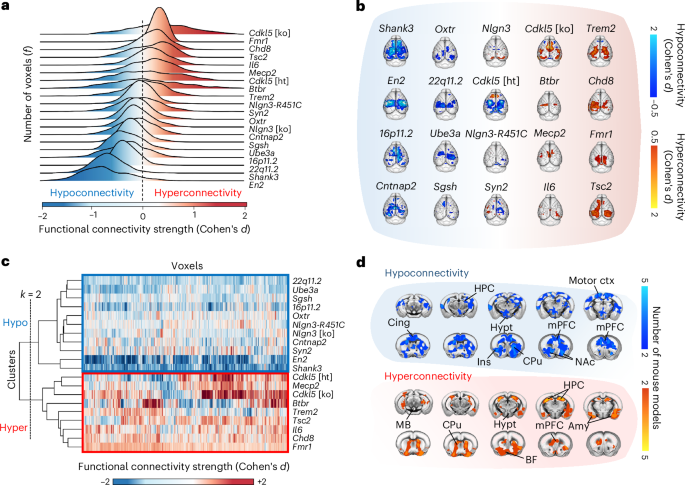
1. Autism subtypes identified using cross-species functional connectivity analyses
- Authors / Affiliation: Nature Neuroscience editorial team (multi-institutional international collaboration)
- Journal / Source: Nature Neuroscience, published early May 2026
- Study Design: Cross-species functional brain imaging study—comparing brain connectivity patterns from human fMRI and mouse models
- Sample: ASD-diagnosed individuals and controls, with machine learning clustering applied
- Key Finding: Demonstrated that dysconnectivity patterns in ASD can be classified into distinguishable biological subtypes. Even within the same diagnostic label, brain circuit damage profiles are heterogeneous
- Clinical & Research Implications: Suggests structural reorganization of ASD diagnosis. A shift from symptom-based diagnosis to biological marker-based classification is necessary and forms the foundation for precision intervention
- Limitations: Sample size constraints, translatability issues with cross-species models, challenges in real-world clinical application
2. Parental mental health — not medication — drives autism correlation
- Authors / Affiliation: LA Times reporting (original research institution details unclear, neurodevelopmental research group)
- Journal / Source: LA Times, May 27, 2026 (peer-reviewed research)
- Study Design: Cohort study analyzing causality among maternal mental health status, antidepressant use, and childhood ASD diagnosis
- Sample: Large longitudinal cohort (specific N not detailed, mother-child pairs)
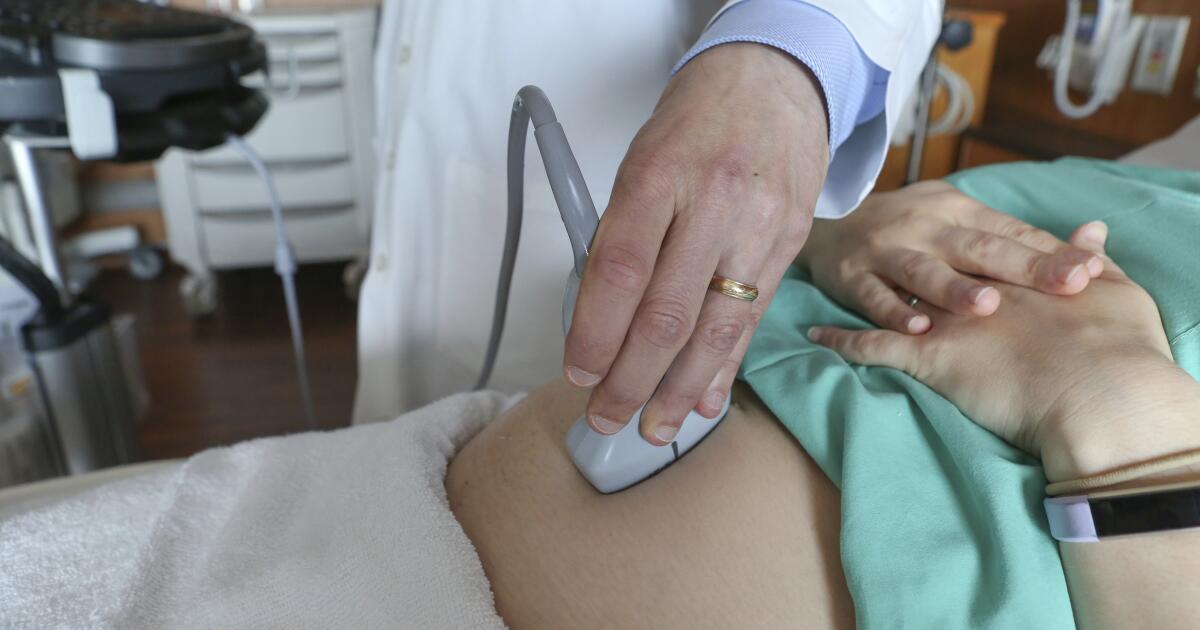
- Key Finding: Parental—especially maternal—mental health status, rather than antidepressant medication itself, is the primary explanatory variable for ASD association. Higher maternal depression and anxiety correlate with increased offspring ASD risk; medication alone is not an independent risk factor
- Clinical & Research Implications: Suggests maternal mental health support could be a neurodevelopmental prevention strategy. Emphasizes the importance of maternal mental health intervention during pregnancy and postpartum periods. Weakens the evidence for avoiding SSRI prescription through unnecessary medication discontinuation
- Limitations: Difficulty establishing causality (observational study), limited control for socioeconomic confounders

3. Many genes linked to autism – genetic pathway to brain may matter more
- Authors / Affiliation: Yale neurobiology research team (Yale News reporting)
- Journal / Source: Yale News, May 1, 2026 (peer-reviewed study summary)
- Study Design: GWAS/exome sequencing meta-analysis plus neurodevelopmental pathway analysis—exploring functional common pathways across hundreds of ASD-associated genes
- Sample: Large multi-institutional ASD genomic database (exact N not specified)
- Key Finding: The "pathway" through which individual genes influence the brain explains ASD phenotypes better than individual genes alone. Integrated functional disruption of neuronal connectivity (synaptogenesis) and axon guidance pathways during brain development correlates with symptom severity
- Clinical & Research Implications: Paradigm shift from gene-centric to systems-level biology. Presents pathway-based drug development strategy as a novel therapeutic target
- Limitations: Lack of functional validation, need for pathway confirmation in animal models
4. Autism study identifies non-coding gene linked to core traits (Canadian-led Nature study)
- Authors / Affiliation: SickKids (Toronto, Canada), Steve Scherer laboratory and multi-institutional collaborators
- Journal / Source: Nature, mid-May 2026 (CTV News reporting)
- Study Design: Large ASD cohort exome/genome sequencing plus non-coding DNA variant analysis
- Sample: Several thousand ASD individuals and families (exact N unclear)
- Key Finding: Specific variants in non-coding genetic regions show significant association with core autism social and behavioral traits. Addresses limitations of protein-coding gene-centric approaches
- Clinical & Research Implications: Provides direction for precision therapeutics development. Highlights need for non-coding variant targeting strategies. Key to explaining future ASD biological heterogeneity
- Limitations: Unclear mechanisms of non-coding variant function, large-scale replication studies ongoing
5. Modeling rare coding variation on chromosome X (sex-differential ASD prevalence)
- Authors / Affiliation: Multi-institutional international collaboration (medRxiv preprint)
- Journal / Source: medRxiv preprint, May 4, 2026
- Study Design: Chromosome X protein-truncating variant (PTV) genome modeling—explaining the 4:1 male-to-female ASD prevalence sex difference biologically
- Sample: Exome sequencing cohort (specific N not specified)
- Key Finding: Beyond well-known genes like MECP2 and NLGN4X on chromosome X, five to ten additional genes show sex-specific variant patterns. Females are protected by X-inactivation mosaic effects; males face full exposure in hemizygous state
- Clinical & Research Implications: Provides biological basis for female ASD under-diagnosis. Indicates need for sex-tailored screening and diagnostic protocols. Raises awareness of the "hidden burden" of autism in females
- Limitations: Preprint status (not yet peer-reviewed), functional validation studies needed
Today's Big Picture
-
Biological heterogeneity is emerging as the central axis of ASD diagnosis and treatment
Transition from a single "autism" diagnosis toward classification into biological subtypes by brain circuits, genetic pathways, and sex-specific variation is becoming visible. This has potential to fundamentally reshape clinical practice paradigms over the next 5–10 years -
Shift from gene-centric to pathway-centric thinking
A list of hundreds of ASD-associated genes is insufficient; understanding functional integration of neurodevelopmental pathways directly feeds into drug development and early intervention design -
Female ASD sex biology is rising to prominence
Offers biological interpretation of the 4:1 male over-representation. Identifying and diagnosing "masked" autism in girls and addressing diagnostic equity become rising clinical priorities -
Maternal mental health emerges as a neurodevelopmental prevention strategy target
Redirects focus toward active support rather than medication avoidance. Whole-course mental health intervention suggests potential for ASD primary prevention
Action Items for Clinicians & Researchers
-
Clinical Practice: During early ASD assessment, explore integrating "biological subtype indicators (neuroimaging, genetic testing)" alongside symptom-based diagnosis. Particularly strengthen upward re-evaluation of girls and subtle presentation phenotypes
-
Further Reading: Nature Neuroscience special review (May 2026 issue), "Autism as a spectrum of synaptic and circuit disorders"—latest summary of systems-level etiology
-
Methodological Caution: Current "biological subtype" classifications remain incomplete in sample size, cross-site reproducibility, and clinical utility. Rather than immediately applying findings to individual patient decisions, wait for research-level validity verification
What to Watch Next
Large-scale follow-up analyses from multi-institutional international collaboration SPARK (Simons Foundation Powering Autism Research for Knowledge) and INSAR (International Society for Autism Research) 2026 Conference are expected to report on clinical validity and predictive reliability of these biological subtype classifications.
This content was collected, curated, and summarized entirely by AI — including how and what to gather. It may contain inaccuracies. Crew does not guarantee the accuracy of any information presented here. Always verify facts on your own before acting on them. Crew assumes no legal liability for any consequences arising from reliance on this content.
Powered by
