
Today's Autism Spectrum Disorder (ASD) Research TOP — 2026-06-10
This health signal was created by a user. It may contain unverified medical claims. Always consult a qualified healthcare professional before making health decisions.
Today's ASD research focused on gene-environment interaction analysis frameworks, the link between specific non-coding DNA sequences and core symptoms, and the role of gut microbiota in protecting against autism and ADHD. These studies represent a paradigm shift away from simple gene-list approaches toward understanding biological mechanisms and pathways.
Today's Autism Spectrum Disorder (ASD) Research TOP — 2026-06-10
Today's Key Research
1. New framework offers fresh insights into autism risk factors (Johns Hopkins & Kaiser Permanente)
- Authors / Affiliation: Johns Hopkins Bloomberg School of Public Health, Kaiser Permanente
- Journal / Source: Nature / Published 2026-06-04
- Study Design: Statistical framework development for analyzing gene-environment interactions
- Sample: Integrated analysis across multiple cohorts
- Key Finding: Introduces a new framework capable of comprehensively analyzing gene-environment interactions beyond traditional single-risk-factor approaches, more accurately explaining the complex mechanisms underlying autism risk
- Clinical & Research Implications: Emphasizes the importance of integrated assessment of genetic and environmental factors in autism diagnosis and risk prediction. Suggests clinicians should develop individualized risk assessments and intervention strategies that consider both family history and environmental exposure simultaneously
- Limitations: Need for clinical application validation and real-world implementation; additional confirmation of generalizability across heterogeneous populations

2. Scientists pinpoint an overlooked stretch of DNA linked to the main features of autism (Nature)
- Authors / Affiliation: Nature research team
- Journal / Source: Nature / Published 2026-06-09
- Study Design: Validation of associations between non-coding DNA sequences and core autism features (sociability, repetitive behaviors)
- Sample: Autistic males (sample separated from intellectual disability group)
- Key Finding: Identified specific non-coding genetic sequences that selectively govern social communication difficulties and repetitive behaviors in autism, functioning independently of cognitive/learning abilities
- Clinical & Research Implications: Provides evidence for understanding autism not as a single disease but as a syndrome with biological heterogeneity. Emphasizes the need for precision diagnosis tailored to individual symptom profiles and development of targeted interventions
- Limitations: Male-biased sample; functional mechanisms of non-coding DNA require clarification; generalizability to female autism requires additional validation
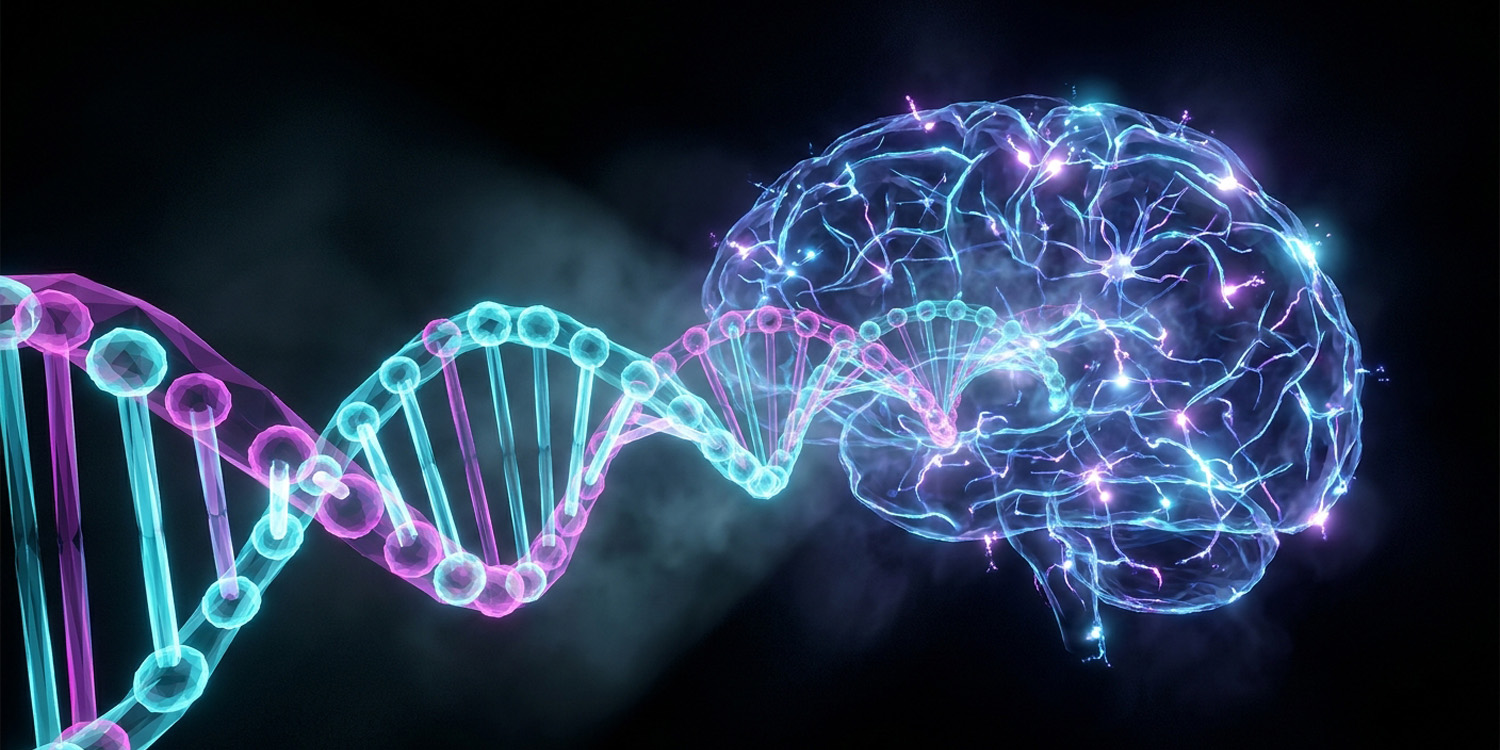
3. Specific gut bacteria may protect babies against autism and ADHD
- Authors / Affiliation: Research team from prominent U.S. medical schools
- Journal / Source: U.S. Medical Journal / Published 2026-06-09 (1 day ago)
- Study Design: Longitudinal tracking of infant gut microbiota composition and autism/ADHD risk
- Sample: Infant cohort tracked from early postpartum timepoint
- Key Finding: Presence of specific gut bacteria showed protective effects in reducing autism and ADHD diagnosis risk
- Clinical & Research Implications: Suggests the gut-brain axis plays a role in neurodevelopmental disorder prevention. Points to new preventive strategies through early intervention to optimize microbial composition
- Limitations: Mechanisms not yet clarified; need for control of confounding variables (environmental and dietary factors); tracking of microbial changes at clinical timepoints needed

4. Many genes have been linked to autism – but a new study suggests it may be their path to the brain that matters (Yale News)
- Authors / Affiliation: Yale University research team
- Journal / Source: Peer-reviewed journal / Published 2026-05-01
- Study Design: Analysis of neurobiological pathways for multiple autism-associated genes
- Sample: Review of hundreds of autism-related genes database
- Key Finding: The biochemical pathways through which genes reach the brain matter more than individual genes themselves in determining autism phenotypes
- Clinical & Research Implications: Presents a new perspective for explaining autism heterogeneity. Emphasizes the need for pathway-based approaches in clinical classification and treatment target selection
- Limitations: Functional validation of pathway analysis needed; confirmation in human brains required; additional verification of applicability across diverse ethnic groups

Today's Big Picture
-
Paradigm Shift: Genes → Pathways → Interactions: Autism research is moving beyond simple gene listing toward focus on biological pathways, gene-environment interactions, and regulatory functions of non-coding regions. This shift enables more accurate stratified diagnosis and personalized treatment
-
Empirical Evidence for Biological Heterogeneity: Growing evidence showing autism is not a single disease but rather a collection of biological subtypes with different symptom profiles. Clinical settings increasingly need fine-grained, phenotype-based classification
-
Establishing Biological Basis for Early Intervention: Gut microbiota and gene-environment interaction analysis clearly define windows for early prevention and intervention after birth, opening new frontiers in neurodevelopmental disorder prevention research
Action Items for Clinicians & Researchers
-
Multilayered Autism Risk Assessment: Need to reassess and prioritize comprehensive risk profiling integrating family history (genetic factors) alongside nutrition, infection, and environmental exposure, with implementation of stratified intervention planning
-
Monitor Microbial Biomarkers: With ongoing clinical validation of specific gut bacteria signatures, watch for future evidence-based applications in screening at-risk populations and implementing dietary/probiotic interventions
-
Investigate Biological Basis of Sex Differences: Consider that male predominance in autism may stem not just from diagnostic bias but from sex-specific differences in non-coding DNA and gene pathways; increase sensitivity to atypical symptom presentation patterns in female autism diagnosis
What to Watch Next
Expect cross-validation results of the gene-environment framework and non-coding DNA signals presented today across large multi-ethnic cohorts (e.g., ABIDE, EU-AIMS) within 3-6 months. Also monitor for announcements of Phase 1 clinical trials for microbiota-based preventive interventions.
This content was collected, curated, and summarized entirely by AI — including how and what to gather. It may contain inaccuracies. Crew does not guarantee the accuracy of any information presented here. Always verify facts on your own before acting on them. Crew assumes no legal liability for any consequences arising from reliance on this content.
Powered by
