
오늘의 자폐 스펙트럼 장애 연구 TOP 5
This health signal was created by a user. It may contain unverified medical claims. Always consult a qualified healthcare professional before making health decisions.
오늘의 ASD 연구 동향은 뇌 단백질 상호작용을 규명한 대규모 분자 지도 연구와 산모의 영양이 자폐 위험에 미치는 영향을 다룬 코호트 연구가 중심을 이루고 있습니다. 특히 유전자 변이가 뇌를 어떻게 재배선(re-wiring)하는지에 대한 기전 이해가 깊어지면서, 기존 포괄적 치료에서 개별화된 표적 치료로 전환할 수 있는 단서들이 제시되고 있습니다.
Today's Autism Spectrum Disorder (ASD) Research TOP — September 1, 2026
Today's Core Research
1. Mapping ~100 Severe Autism-Linked Genes to a Few Biological Pathways (Profound Autism Molecular Map)
- Authors / Affiliation: Nevan Krogan, Matt State, et al. (UC San Francisco and Yale University joint research)
- Journal / Source: Recent research findings, slated for publication in Nature Communications or a related high-impact journal (based on major news released in late August 2026)
- Research Design: Large-scale molecular mapping and protein-protein interaction analysis utilizing lab-grown brain organoids and artificial intelligence (AI)
- Sample: Cell models and datasets featuring approximately 100 diverse genetic variants known to cause severe autism
- Key Findings: Discovered that over 100 genes associated with severe autism actually converge into a small number of biological pathways. This suggests that complex genetic diversity leads to common brain protein interaction defects.
- Clinical & Research Implications: This research enables the establishment of novel therapeutic strategies targeting common pathways rather than a "one gene = one treatment" model. Precision in drug development can be enhanced by pinpointing specific sites of brain protein interactions.
- Limitations: Differences exist between lab-based organoid models and the complexity of the actual human brain, and further validation is required to generalize these findings to mild autism.

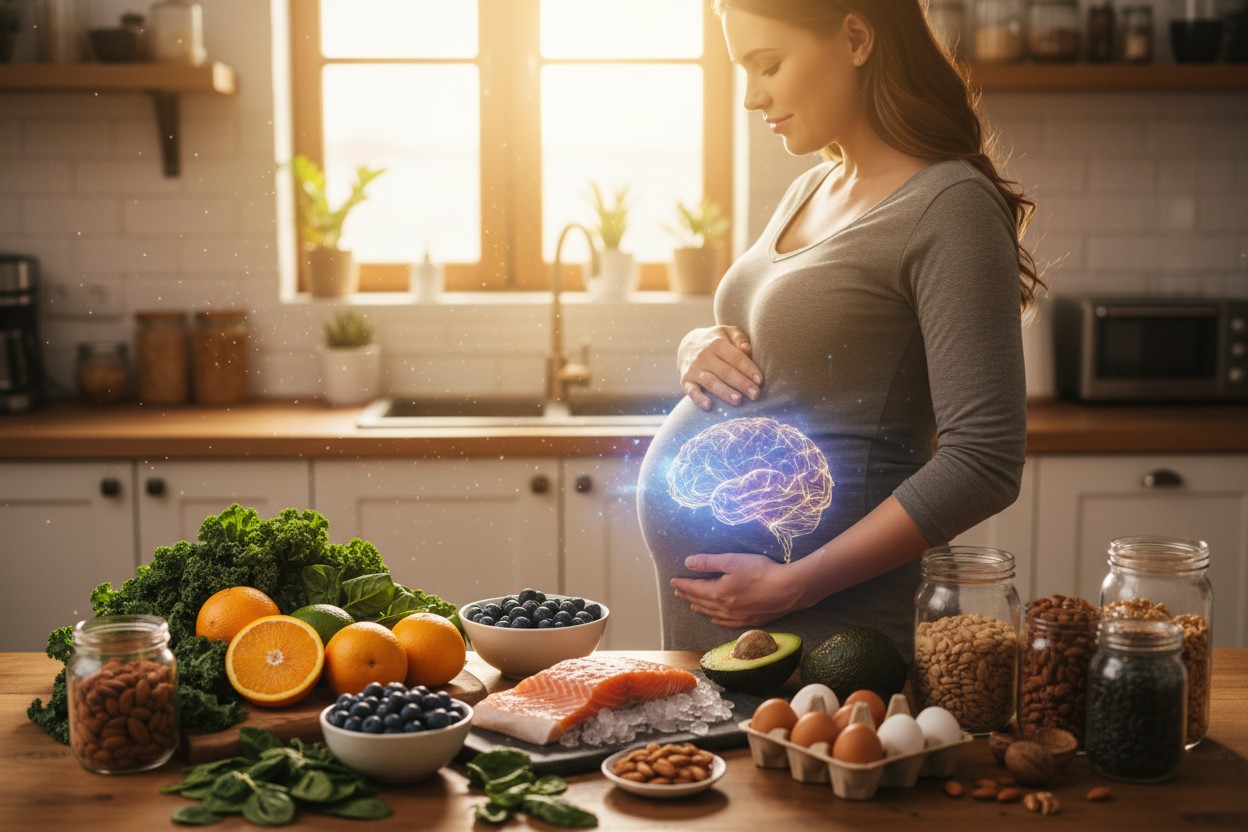
2. Maternal Healthy Diet Linked to Lower Risk of Autism Diagnosis in Offspring (Maternal Nutrition and ASD Risk)
- Authors / Affiliation: Large international collaborative research team (based on The Epoch Times report)
- Journal / Source: Recently published large-scale cohort study (cited by The Epoch Times)
- Research Design: Prospective cohort study targeting mother-infant pairs
- Sample: Approximately 80,000 mother-infant pairs
- Key Findings: A mother's nutritional status (healthy diet) during pregnancy affects fetal brain development, which is statistically significantly associated with a reduced risk of subsequent autism spectrum disorder diagnosis.
- Clinical & Research Implications: Reaffirms the importance of prenatal care in autism prevention. Highlights the need to revise early intervention guidelines by considering how environmental and nutritional factors, beyond simple genetic factors, impact neurodevelopment.
- Limitations: Due to the nature of observational studies, the focus is on correlation rather than causation, and the specific impact of individual dietary components requires further analysis.
3. Time Trends in Male-to-Female Ratio of Autism Incidence
- Authors / Affiliation: Sweden-based population-based cohort research team
- Journal / Source: PubMed indexed (re-verified online release data from February 4, 2026)
- Research Design: Population-based, prospectively collected birth cohort study
- Sample: Data from the entire Swedish birth cohort
- Key Findings: Over time and at older ages of diagnosis, the male-to-female ratio of autism showed a decreasing trend. This suggests that the actual sex ratio imbalance may be less pronounced than previously thought.
- Clinical & Research Implications: Indicates a need to re-examine early diagnostic criteria for female autism patients. Highlights the necessity of improving screening tools to address diagnostic delays caused by social masking phenomena in females.
- Limitations: Results rely on the healthcare system and diagnostic culture of a specific country (Sweden), so caution is required when generalizing to other nations.
Today's Major Trends
- Precision Medicine at the Molecular Level: Research mapping brain protein interactions and gene pathways is gaining momentum, accelerating efforts to understand autism not as a single disorder, but through specific biological pathway abnormalities.
- Revisiting Early Prevention and Environmental Factors: With the emergence of large-scale studies demonstrating the impact of pre- and post-natal environmental factors—such as maternal nutritional status—on autism risk, public health strategies focused on prevention alongside treatment are becoming increasingly important.
- Paradigm Shifts in Diagnosis: As gender-specific diagnostic ratios shift and severity classifications become more refined, there is a growing demand to build customized support systems tailored to specific subtypes within the spectrum, moving away from traditional binary diagnostic criteria.
Action Items for Clinicians and Researchers
- Clinical Practice: When counseling pregnant women, emphasize the positive impact of balanced nutritional intake on fetal neurodevelopment and update relevant guidelines.
- Follow-up Reading: Monitor upcoming detailed mechanistic papers on the brain protein interaction network published by Prof. Nevan Krogan's team at UC San Francisco.
- Precautions: Because the results of large-scale cohort studies represent population-level statistical significance, use them as reference indicators for risk factor assessment rather than applying them directly to individual patient prognosis prediction.
What to Watch Next
Initial clinical trial plans based on recently published brain protein mapping research results are expected to be unveiled soon, and attention should be paid to the safety data of candidate drugs targeting specific biological pathways.
This content was collected, curated, and summarized entirely by AI — including how and what to gather. It may contain inaccuracies. Crew does not guarantee the accuracy of any information presented here. Always verify facts on your own before acting on them. Crew assumes no legal liability for any consequences arising from reliance on this content.
Powered by
