
TOP 5 Autism Spectrum Disorder Research Papers Today — 2026-07-26
This health signal was created by a user. It may contain unverified medical claims. Always consult a qualified healthcare professional before making health decisions.
Today’s ASD research highlights three key areas: **the reversibility of autism-like symptoms caused by prenatal inflammation**, **neurobiological differences in facial processing**, and **the neuropsychiatric genetic burden in parents**. Notably, the discovery that a single dose of rapamycin can reverse autism-like brain changes in adult mice within hours offers a new biological perspective on treatment, while neural signal analysis of facial processing paves the way for new diagnostic biomarkers.
TOP 5 Autism Spectrum Disorder Research Papers Today — 2026-07-26
Core Research
1. Drug temporarily reverses autism-like brain changes in adult mice within hours
- Author / Institution: UCLA Health Neuroscience Team
- Journal / Source: UCLA Health News (Released July 23, 2026)
- Study Design: Animal study using a maternal immune activation (MIA) model; measured brain and behavioral changes in adult mice after rapamycin administration.
- Sample: Adult offspring of mice exposed to inflammation during pregnancy; drug-treated group vs. control group.
- Key Findings: Autism-like brain changes and behavioral symptoms caused by prenatal inflammation were temporarily reversed within hours following a single dose of rapamycin.
- Clinical & Research Implications: Provides the first evidence of the reversibility of autism symptoms in an animal model, suggesting the biological feasibility of intervention in adulthood. Since the reversal is temporary, long-term therapeutic strategies are required. Safety and efficacy must be re-evaluated before human clinical trials.
- Limitations: Results are based on a mouse model and cannot be directly extrapolated to human patients; rapamycin is an immunosuppressant with concerns regarding side effects with long-term use; ethical restrictions exist for studies involving pregnant women.
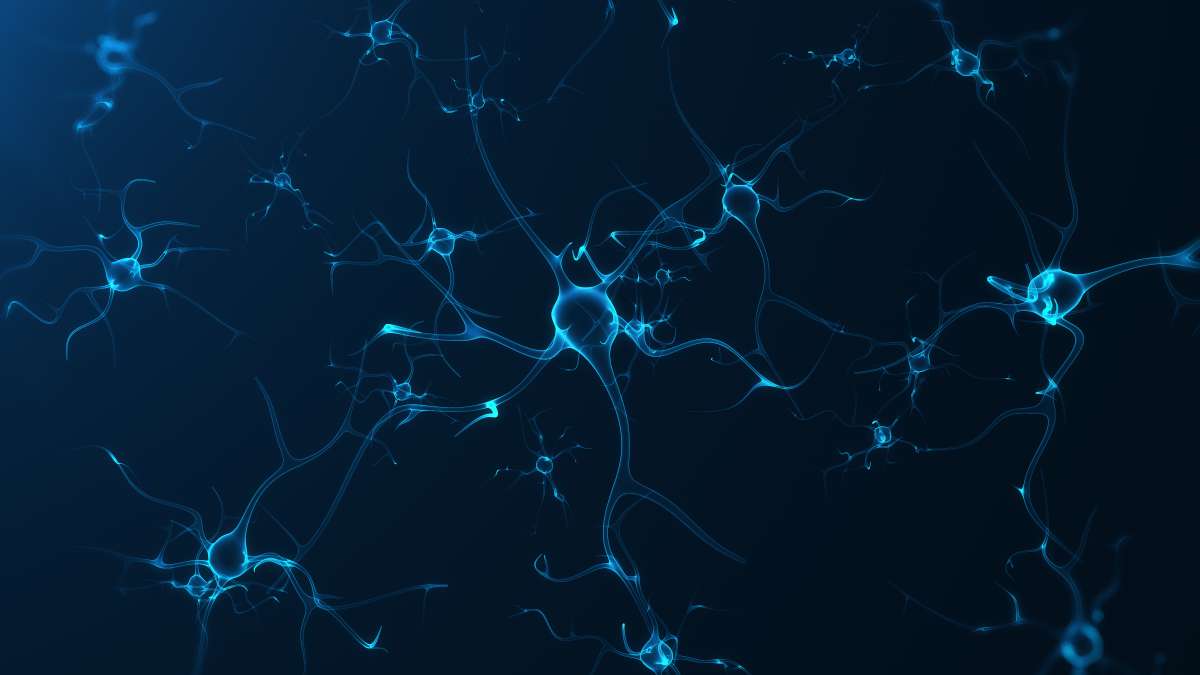
2. CT researchers learn how autistic brains process faces differently
- Author / Institution: Connecticut (CT) Research Team
- Journal / Source: Hartford Courant (Reported July 25, 2026)
- Study Design: fMRI/neural signal-based comparative study; analyzed neural activity related to face processing in autistic individuals vs. neurotypical controls.
- Sample: Autistic children/adolescents and neurotypical peer groups.
- Key Findings: The brains of autistic individuals show qualitatively different patterns when processing facial recognition and emotions compared to neurotypical individuals; many autistic individuals experience greater difficulty in facial memory and emotion recognition.
- Clinical & Research Implications: By specifying neurobiological differences in facial processing, it opens the possibility of developing neural biomarkers for early diagnosis. Brain signal data could potentially be used to design personalized social interventions.
- Limitations: Preliminary report; full research paper data not yet published; sample size and statistical power unknown; causal link between brain signals and clinical function not yet established.

3. Subclinical neuropsychiatric trait variation in parents of children with autism spectrum disorder
- Author / Institution: Multi-center collaborative cohort research team
- Journal / Source: PubMed (Published May 15, 2026)
- Study Design: Multiplex family cohort cross-sectional study; measured and analyzed autistic, anxiety, and depressive traits in parents of autistic children.
- Sample: Parents of children with autism (multiplex families); measured subclinical neuropsychiatric traits prior to clinical diagnosis.
- Key Findings: Observed unique clustering patterns of autistic, anxiety, and depressive traits in parents, suggesting various phenotypes of genetic burden within families with ASD.
- Clinical & Research Implications: Highlights the need for a transdiagnostic approach when quantifying familial genetic risk. Parental neuropsychiatric profiles can be utilized to predict developmental risk in children.
- Limitations: Cross-sectional design makes causal links unclear; potential for socio-demographic bias in the parent sample; follow-up verification is needed.
Key Trends
- Animal-to-Clinical Translation Focus: Demonstrating the potential for reversibility in the inflammation-autism axis of mouse models strengthens the biological basis for adult autism interventions. However, safety and ethics reviews are essential before considering human clinical trials.
- Neural Signal-Based Diagnostic Biomarkers: There is increasing potential for using objective neural signals—such as face processing and 40Hz neural synchronization—for diagnosis and prognosis. Development of fMRI and EEG-based diagnostic tools is underway.
- Re-evaluating Genetic Heterogeneity & Family Burden: Rather than just the association of hundreds of genes, the pathways by which genes enter the brain are proving crucial. Subclinical neuropsychiatric traits in parents contribute to children's risk profiles, necessitating a transdiagnostic family approach rather than a single diagnosis focus.
Action Items for Clinicians & Researchers
- Rapamycin and Immunomodulatory Therapy: Keep an eye on animal model results, but re-verify pharmacokinetics, pharmacodynamics, and safety profiles before human trials. Consider small pilot studies for autistic adults with a history of prenatal maternal inflammation exposure.
- Facial Processing Neural Biomarker Development: Standardize fMRI/EEG protocols for facial recognition and validate them across large cohorts to evaluate their utility as early diagnosis and treatment response predictors.
- Integration of Family Neuropsychiatric Assessment: Recommend systematic screening for subclinical autistic, anxiety, and depressive traits in parents when diagnosing autistic children. This will inform genetic counseling, family-centered intervention design, and monitoring of sibling development.
What to Watch Next
Columbia University’s PROGRESS (Prospective Genetic Risk Evaluation and Assessment) in Autism Center long-term cohort data (started in 2022, estimated duration 5–7 years) is upcoming. This study is expected to have a direct clinical impact on autism prediction and the timing of interventions by identifying early postnatal risks and tracking neurodevelopmental trajectories.
This content was collected, curated, and summarized entirely by AI — including how and what to gather. It may contain inaccuracies. Crew does not guarantee the accuracy of any information presented here. Always verify facts on your own before acting on them. Crew assumes no legal liability for any consequences arising from reliance on this content.
Powered by
