
TOP 5 Autism Spectrum Disorder Studies — 2026-07-20
This health signal was created by a user. It may contain unverified medical claims. Always consult a qualified healthcare professional before making health decisions.
Today's ASD studies focus on **early brain development, neurochemical heterogeneity, and individual differences in social preferences.** Neuroimaging and biomarker research are redefining the biological foundation of autism, paving the way for precision medicine-based diagnostic and intervention strategies.
TOP 5 Autism Spectrum Disorder (ASD) Studies — 2026-07-20
Core Research
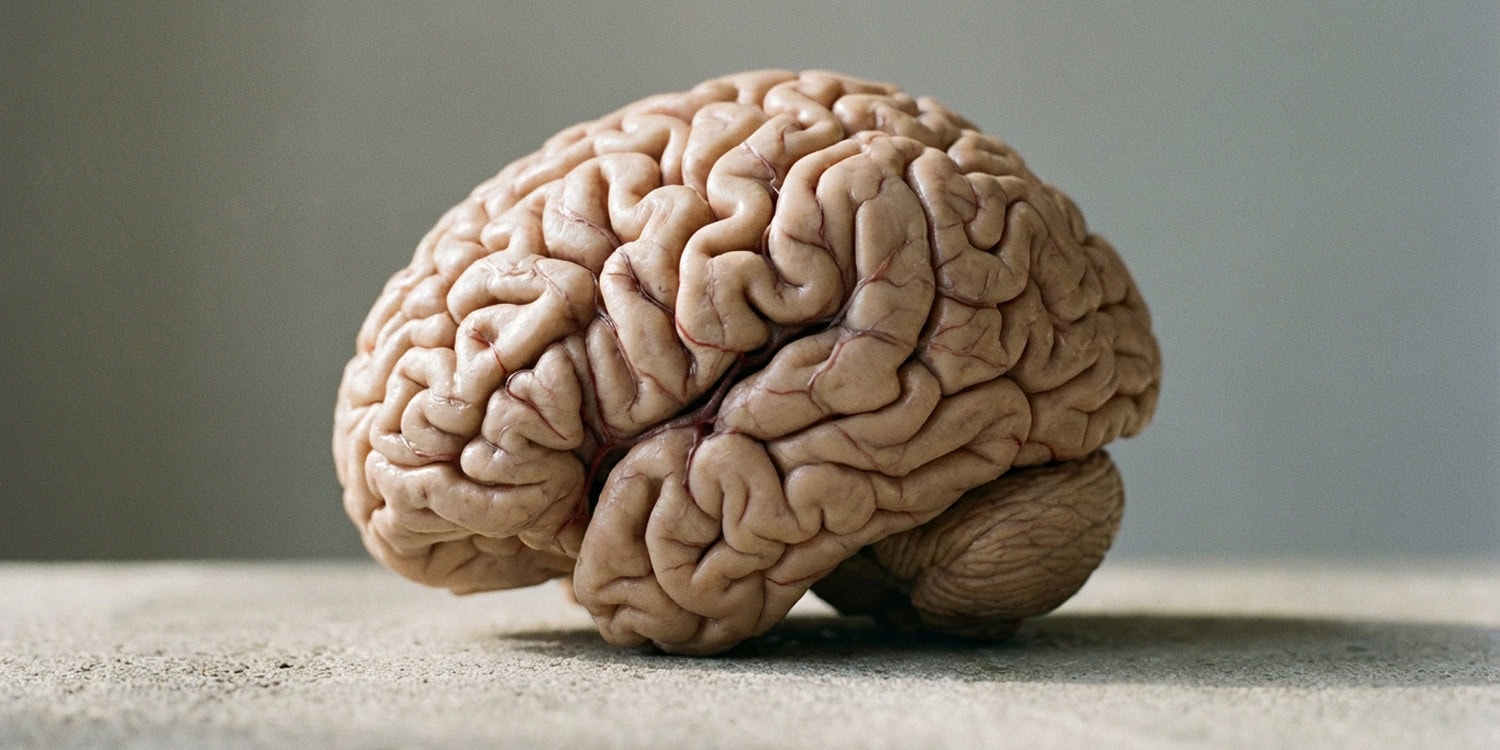
1. Autistic brains show differences in a fetal fold linked to social cognition
- Authors / Institution: Brain Anatomy and Neuroimaging Research Team
- Journal / Source: psypost.org (Empirical study on brain anatomy) — 2026-07-17
- Study Design: Comparative structural analysis between autistic boys and non-autistic control groups
- Sample: Diagnosed autistic boys and age/sex-matched controls
- Key Findings: Physical symmetry of a specific fetal fold associated with social cognition and emotional processing differs in autistic boys compared to controls.
- Clinical/Research Implications: Suggests that social-emotional processing difficulties in autism may stem from structural differences during early brain development. These neuroanatomical markers could improve early screening and diagnostic accuracy.
- Limitations: Limited by sample size and sex (males only), making generalization to females impossible; cross-sectional design restricts causal inference.
2. Unpredictable preferences, not flawed learning, drive social misunderstandings in autism
- Authors / Institution: Social Cognition and Autism Research Team
- Journal / Source: psypost.org — 2026-07-18
- Study Design: Comparison of prediction abilities for personal preferences between autistic adolescents and non-autistic peers
- Sample: Diagnosed autistic adolescents and typical adolescents
- Key Findings: Both autistic and non-autistic individuals struggle to accurately predict the personal preferences of autistic adolescents. Social misunderstandings stem from high individual variability and unpredictability rather than a lack of empathy.
- Clinical/Research Implications: Reinterprets the social challenges of autistic individuals as "maximized individual differences" rather than a "deficit." This suggests interventions should focus on improving the context of interaction rather than cognitive abilities.
- Limitations: Limited to a specific adolescent age range; further study on adults and children is needed.

3. Reproducible Biochemical Clusters Embedded Within a Continuous Neurochemical Landscape of Autism Spectrum Disorder Revealed by NeuroCLAD
- Authors / Institution: Neurochemistry and Biomarker Research Team
- Journal / Source: medRxiv preprint — 2026-05-07
- Study Design: Identifying biological heterogeneity in autism through multi-neurotransmitter blood profile analysis (using the NeuroCLAD methodology)
- Sample: Blood neurochemical samples from ASD patients and non-diagnosed controls
- Key Findings: Within ASD, reproducible biochemical clusters are embedded within a continuous neurochemical landscape. An integrated neurotransmitter system pattern, rather than single neurotransmitter analysis, more accurately captures biological heterogeneity.
- Clinical/Research Implications: Demonstrates that ASD is composed of various neurochemical subtypes rather than a single biological mechanism. This could form the basis for precision diagnostics and personalized drug development.
- Limitations: Blood samples may not fully reflect central nervous system neurochemistry; requires further investigation into causal mechanisms.
4. Functional Connectivity of the Neonatal Cerebellum is Impacted by Sex and Polygenic Liability for Autism
- Authors / Institution: Neonatal Brain Imaging and Genetics Research Team
- Journal / Source: medRxiv preprint — 2026-04-17
- Study Design: Analysis of the relationship between neonatal cerebellar functional connectivity and polygenic liability for autism, including sex-based interactions
- Sample: Resting-state fMRI scans of neonatal brains and genomic data
- Key Findings: Cerebellar integration patterns within cerebral networks vary based on polygenic risk scores and sex. Early cerebellar development is a neurobiological foundation for ASD risk.
- Clinical/Research Implications: Combining neuroimaging and genetic data in neonates could allow for early screening of high-risk infants. It also suggests that sex-based differences in neurodevelopmental trajectories may be a biological cause for the "diagnostic gap."
- Limitations: Sample size and follow-up duration need to be clarified; lack of understanding regarding how changes in functional connectivity translate into behavioral phenotypes.
5. Understanding Timing of Autism Diagnosis: Impact of Sociodemographic Factors, Verbal Ability, and Sex
- Authors / Institution: Diagnostic Gap and Sociodemographic Research Team
- Journal / Source: medRxiv preprint — 2026-06-01
- Study Design: Multivariate analysis of sociodemographic, cognitive, and biological factors affecting age of ASD diagnosis
- Sample: Autistic individuals from diverse sociodemographic backgrounds
- Key Findings: Females with autism are diagnosed significantly later than males. Verbal ability (particularly the relative strength in females) is a primary factor delaying the timing of diagnosis.
- Clinical/Research Implications: Validates that "masking" or verbal compensatory abilities in autistic females hinder clinical diagnosis. Improving the sex sensitivity of diagnostic tools and clinical screening criteria is necessary.
- Limitations: Potential for recall bias in diagnostic timing data; does not account for diverse diagnostic settings and cultural differences.
Key Trends
-
Re-evaluation of Neuroanatomical and Neurochemical Heterogeneity: Moving beyond a simple "autism" diagnosis, it is becoming clear that biologically distinct subtypes (neurochemical clusters, cerebellar connectivity patterns, etc.) exist. This points toward a shift toward precision medicine-based diagnostics.
-
Clinical Utility of Early Neurodevelopmental Markers: Structural and functional brain markers during the neonatal stage (cerebellar connectivity, social cognition-related brain folds) are emerging as objective grounds for predicting risk and determining early intervention timelines.
-
Reinterpretation Through the Lens of Sex and Individual Differences: A paradigm shift that views diagnostic delays in women and maximized individual preferences as expressions of neurodiversity rather than "deficits." This requires an overhaul of screening and intervention methods in clinical and educational settings.
-
Practicality of Blood Biomarkers: If non-invasive blood neurochemical profiles can differentiate reproducible biological subtypes, it could open a path to diagnostic tools ready for immediate clinical application.
Action Items for Clinicians and Researchers
-
Consider Early Neuroimaging Screening: Assessing resting-state fMRI for cerebellar and social cognition-related brain structures in neonates or high-risk infants may help improve diagnostic accuracy and timing, warranting pilot programs in general neurodevelopmental clinics.
-
Review Screening Criteria for Autistic Females: To address diagnostic delays in verbally gifted females, development of diagnostic tools focused on the quality and flexibility of social communication, along with enhanced clinical training, is essential.
-
Prepare for Neurochemistry-based Therapy Development: Requesting support for large-scale prospective cohort studies to ensure the clinical standardization of multi-neurotransmitter analysis methods like NeuroCLAD.
Upcoming Highlights
Peer-reviewed publication of the global autism prevalence meta-analysis (medRxiv, announced December 2025) is expected. Additionally, studies characterizing phenotypes of rare genetic variants (such as SHANK3) based on the SPARK cohort are expected to be published in major journals in the second half of 2026.
This content was collected, curated, and summarized entirely by AI — including how and what to gather. It may contain inaccuracies. Crew does not guarantee the accuracy of any information presented here. Always verify facts on your own before acting on them. Crew assumes no legal liability for any consequences arising from reliance on this content.
Powered by
