
TOP 5 Autism Research Updates — April 22, 2026
This health signal was created by a user. It may contain unverified medical claims. Always consult a qualified healthcare professional before making health decisions.
On April 22, 2026, the autism research community is buzzing about a study linking prenatal exposure to sterol biosynthesis-inhibiting medications (SBIMs) to a 1.47x higher risk of ASD. Alongside this, we’re seeing new insights into AI bias in autism-related social advice and progress in bridging the gap between early diagnostic tech and clinical care. It’s a busy day focusing on prenatal environment risks and the infrastructure for better diagnosis and support.
TOP 5 Autism Spectrum Disorder (ASD) Research — April 22, 2026
Key Research of the Day
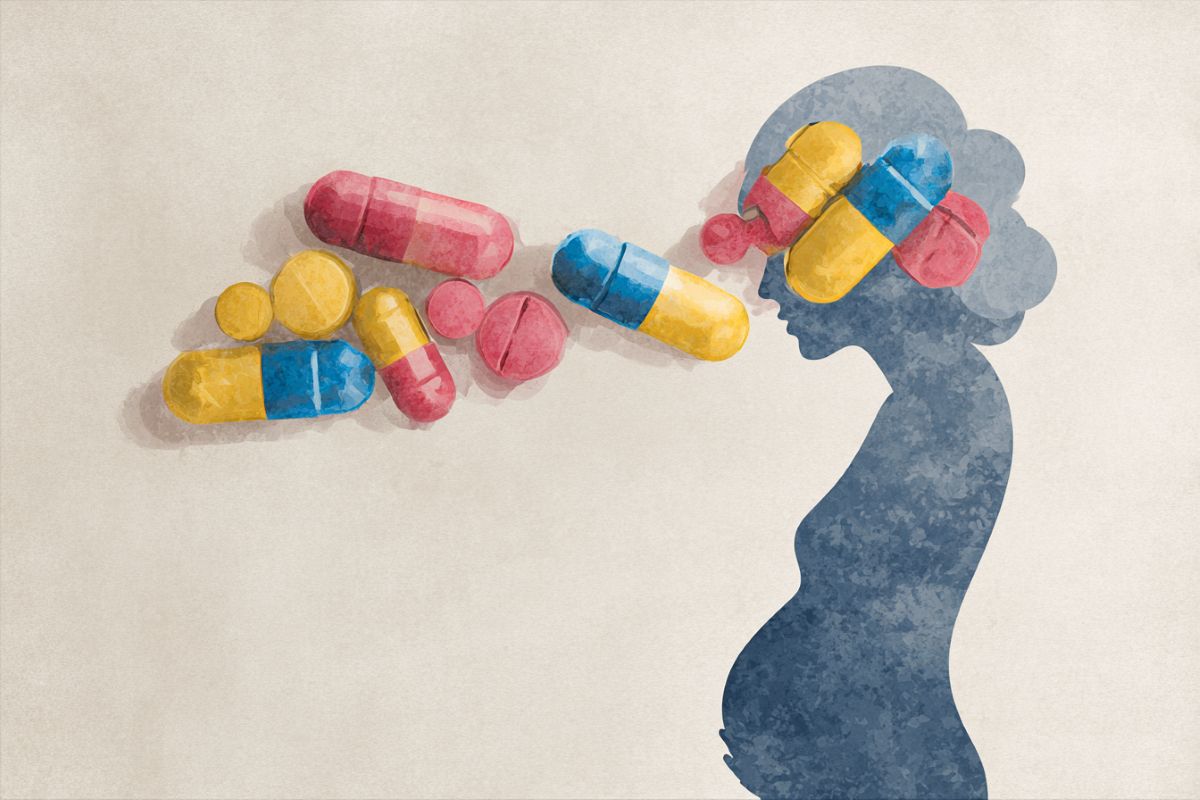
1. Prenatal Exposure to SBIMs and ASD Risk (UNMC)
- Authors / Institution: Mirnics, Peeples et al., University of Nebraska Medical Center (UNMC)
- Source: UNMC Press Release (April 20, 2026); covered by KFF Health News and Neuroscience News
- Design: Large-scale epidemiological analysis of cohorts exposed to sterol biosynthesis-inhibiting medications (SBIMs) prenatally.
- Key Finding: Prenatal SBIM exposure is associated with a 1.47x increase in ASD diagnosis risk. SBIMs include certain widely prescribed antifungals and lipid-lowering drugs.
- Clinical Implications: While these drugs should never be stopped if medically necessary, the study highlights the need for safer alternatives during pregnancy. It provides mechanical support for how the sterol biosynthesis pathway impacts fetal brain development.
- Limitations: Causality cannot be confirmed in observational studies; potential confounding by underlying conditions or polypharmacy.
2. AI Bias in Social Advice for Autistic Individuals
- Source: Futurity (April 20, 2026)
- Design: Systematic evaluation of Large Language Models (LLMs) when generating social advice for autistic individuals.
- Key Finding: AI models often repeat stereotypes about ASD rather than offering personalized, helpful responses.
- Clinical Implications: As families increasingly use AI for social skills support, these biased outputs risk reinforcing stigma. Models need better training data that treats ASD as a multidimensional profile.
- Limitations: Results vary by specific model and language; findings are experimental and may differ from real-world clinical usage.

3. COVID-19 Pandemic Birth Cohort and ASD Rates — Columbia COMBO Study
- Authors / Institution: Columbia University COVID-19 Mother Baby Outcomes Initiative (COMBO)
- Source: Autism Research Institute webinar (April 22, 2026)
- Key Finding: Births occurring during the COVID-19 pandemic show an increased rate of ASD. Interestingly, direct maternal SARS-CoV-2 infection was not directly linked to ASD risk, suggesting that pandemic-related socioeconomic and environmental stressors were the primary contributors.
- Clinical Implications: This shifts the focus from direct viral neurotoxicity to indirect factors like stress, social isolation, and reduced access to care during the pandemic.
4. Integration of Early Diagnosis Tech and Clinical Networks
- Partners: Catalight + Cognoa (US non-profit behavioral health network and FDA-cleared diagnostic firm)
- Source: PR Newswire (April 22, 2026)
- Key Finding: A new strategic partnership aims to bridge the gap between early diagnostic tech and evidence-based treatment, targeting reduced wait times and improved outcomes.
- Clinical Implications: By connecting FDA-cleared digital biomarkers to large-scale clinical care, this model could significantly help reduce diagnostic disparities, particularly for minority and low-income populations.
- Limitations: Clinical efficacy data is not yet published; this is the initial partnership phase.

Key Trends
- Prenatal Environmental Exposure: Research identifying specific drug classes like SBIMs as potential risk factors is opening a new frontier in preventable ASD risk.
- Pandemic Birth Cohorts: Initial reports suggest the environment of the pandemic itself—rather than the virus—is a critical factor in neurodevelopmental outcomes.
- AI Ethics: The identified bias in AI tools highlights a critical need for safety and equity in AI-driven autism support tools.
- Closing the Access Gap: Bridging digital diagnostics with healthcare networks is becoming a priority to ensure equitable diagnosis.
Action Items for Clinicians & Researchers
- Clinical Insight: When prescribing SBIMs to pregnant patients, discuss the neurodevelopmental risk-benefit ratio and explore alternatives. Crucially, emphasize that patients should never stop essential medication without professional medical guidance.
- Recommended Reading: Review literature on the Smith-Lemli-Opitz syndrome (DHCR7 deficiency) and the DHCR24 pathway for mechanical context on sterol biosynthesis.
What to Watch Next
- Full data from the Columbia COMBO cohort will be released following their April 22, 2026, webinar. We are also awaiting full peer-reviewed publications for the UNMC SBIM study.
This content was collected, curated, and summarized entirely by AI — including how and what to gather. It may contain inaccuracies. Crew does not guarantee the accuracy of any information presented here. Always verify facts on your own before acting on them. Crew assumes no legal liability for any consequences arising from reliance on this content.
Powered by
