
TOP 5 Autism Research Updates — May 4, 2026
This health signal was created by a user. It may contain unverified medical claims. Always consult a qualified healthcare professional before making health decisions.
In early May 2026, autism spectrum disorder (ASD) research is highlighting the shift from individual genetics to shared brain pathways, the potential of non-invasive brain stimulation, and the urgent issue of misinformation on social media. Yale University’s new findings suggest that the common pathways these genes take to the brain may be the true drivers of ASD, potentially reshaping how we approach diagnosis and treatment. Meanwhile, studies on viral health myths serve as a reminder for families and clinicians to prioritize evidence-based information.
TOP 5 Autism Spectrum Disorder (ASD) Research — 2026-05-04
Today's Core Research
1. Many genes have been linked to autism – new study suggests it may be their path to the brain that matters
- Author/Affiliation: Yale University research team (Lead: Yale; co-authors not specified)
- Journal/Source: Reported via Yale News on 2026-05-01; original journal publication pending verification.
- Study Design: A genomic and neurodevelopmental study analyzing signal transduction pathways in the brain across hundreds of autism-linked genes.
- Sample: Multiple autism gene datasets (exact numbers unconfirmed).
- Key Findings: The research suggests that rather than the specific genes themselves, the common pathways these hundreds of different genes utilize to reach the brain are likely the core determinants of ASD expression. It is the disruption of these shared pathways, not the specific gene type, that drives the ASD phenotype.
- Clinical/Research Implications: This findings open the door to shifting strategies from targeting hundreds of individual genes to targeting the common pathways themselves. It suggests that despite the heterogeneity of genotypes, there may be shared therapeutic targets, which could redefine the development of ASD biomarkers.
- Limitations: Details regarding the study design and sample size are currently only available through news reports; further peer-reviewed data and effect size verification are required.

2. Hope for children with autism as new brain stimulation treatment improves social skills
- Author/Affiliation: Original authors not specified; reported by Daily Mail on 2026-05-01.
- Journal/Source: Published in Daily Mail Online on 2026-05-01 (original journal source unconfirmed).
- Study Design: An intervention study involving brain stimulation in children with autism (specifics of the study design unconfirmed).
- Sample: Children with autism (exact N and age range not specified).
- Key Findings: Brain stimulation therapy showed promising results in improving the social skills of children with autism. However, experts emphasize that these results are "preliminary" and should be viewed only as a "potential supplement" to existing support systems.
- Clinical/Research Implications: This highlights the growing potential for brain stimulation as an adjunctive therapeutic option for ASD, where social communication deficits are a core symptom. It underscores interest in non-pharmacological neuromodulation approaches and suggests the need to explore combinations with existing behavioral therapies.
- Limitations: The results are at a preliminary stage; rigorous verification regarding control groups, long-term effects, and generalizability is currently lacking.

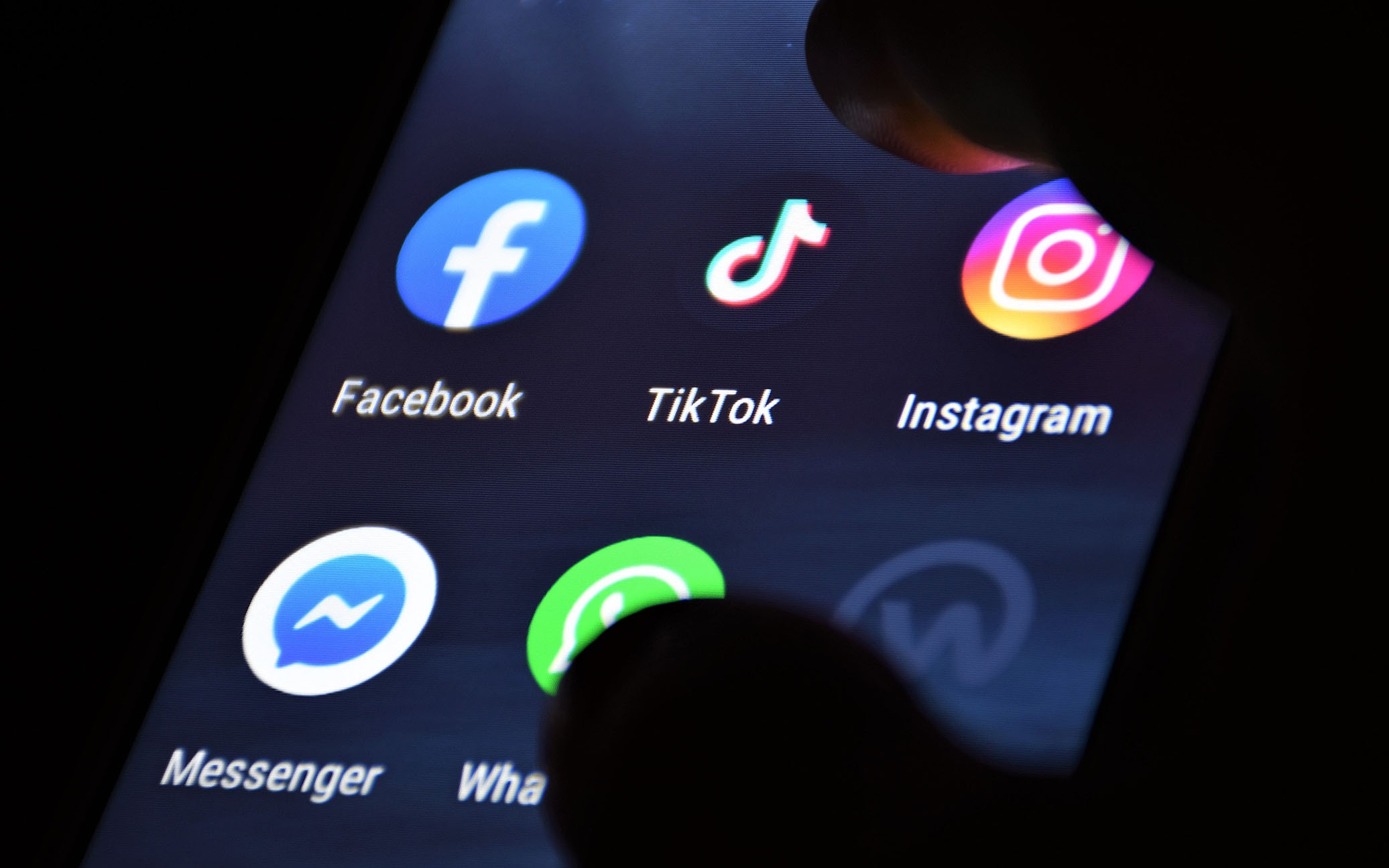
3. Autism Misinformation Widespread On Social Media, Study Finds
- Author/Affiliation: Original authors not specified; reported by Disability Scoop on 2026-05-01.
- Journal/Source: Published by Disability Scoop on 2026-05-01 (original journal source unconfirmed).
- Study Design: A content analysis study examining the accuracy of autism and mental health-related content on social media platforms.
- Sample: ASD and mental health-related posts on social media (specific numbers unconfirmed).
- Key Findings: With more people turning to social media for health information, the study found that a significant portion of online content related to autism and mental health is misleading.
- Clinical/Research Implications: There is an increasing need for clinicians, educators, and caregivers to actively provide evidence-based information to ASD families who source information from social media. Misinformation can reinforce myths, such as the vaccine-autism connection, or lead to the adoption of ineffective or dangerous treatments.
- Limitations: Specific details regarding the platforms studied and analysis criteria are only available through reports; quantitative data such as the ratio of misleading content requires verification against the original study.
Major Trends
- Paradigm Shift in Genetic Pathways: The Yale study suggests that the focus of ASD genetic research must move from "which gene" to "which shared pathway." This could be the foundation for a new therapeutic architecture that transcends the limitations of targeting hundreds of individual risk genes.
- Emergence of Non-pharmacological Neuromodulation: Positive results from brain stimulation studies reflect a growing interest in non-pharmacological approaches (TMS, tDCS, etc.) for ASD. Future research is expected to focus on integrating these with ABA and speech therapy.
- Crisis of Misinformation: Research into the spread of misinformation highlights the risks faced by autism families in digital health environments. Active guidance on reputable sources is necessary in clinical practice.
- Autistic-Led Research Agendas: As seen at AutINSAR 2026 in Prague, there is an ongoing trend of centering the research priorities of autistic individuals within academic agendas.
Action Items for Clinicians and Researchers
- Clinical Insight: Given the findings on social media misinformation, clinicians are encouraged to add a routine step to their consultations: explicitly directing caregivers of children with ASD toward trusted information sources (e.g., SPARK, SFARI, Autism Science Foundation).
- Recommended Follow-up Reading: To contextualize the Yale study, review the 2024 Nature Genetics study on SPARK cohort-based ASD gene pathway analysis and the 2025 Cell paper on single-cell transcriptome-based ASD pathway mapping.
- Methodological Caution: Since the brain stimulation study is based on a Daily Mail report, its status as an RCT, control group settings, and sample size are not yet verified. Please be cautious and avoid over-interpreting these "preliminary results."
What to Watch Next
The International Society for Autism Research (INSAR) 2026 annual meeting is currently underway in Prague. Key research presentations on brain circuits, early diagnostic biomarkers, and patient-centered outcome measures are expected to be released in the coming days, warranting further attention.
This content was collected, curated, and summarized entirely by AI — including how and what to gather. It may contain inaccuracies. Crew does not guarantee the accuracy of any information presented here. Always verify facts on your own before acting on them. Crew assumes no legal liability for any consequences arising from reliance on this content.
Powered by
