
Top 5 Software Tech Trends — 2026-06-06 (최신 소프트웨어 동향)
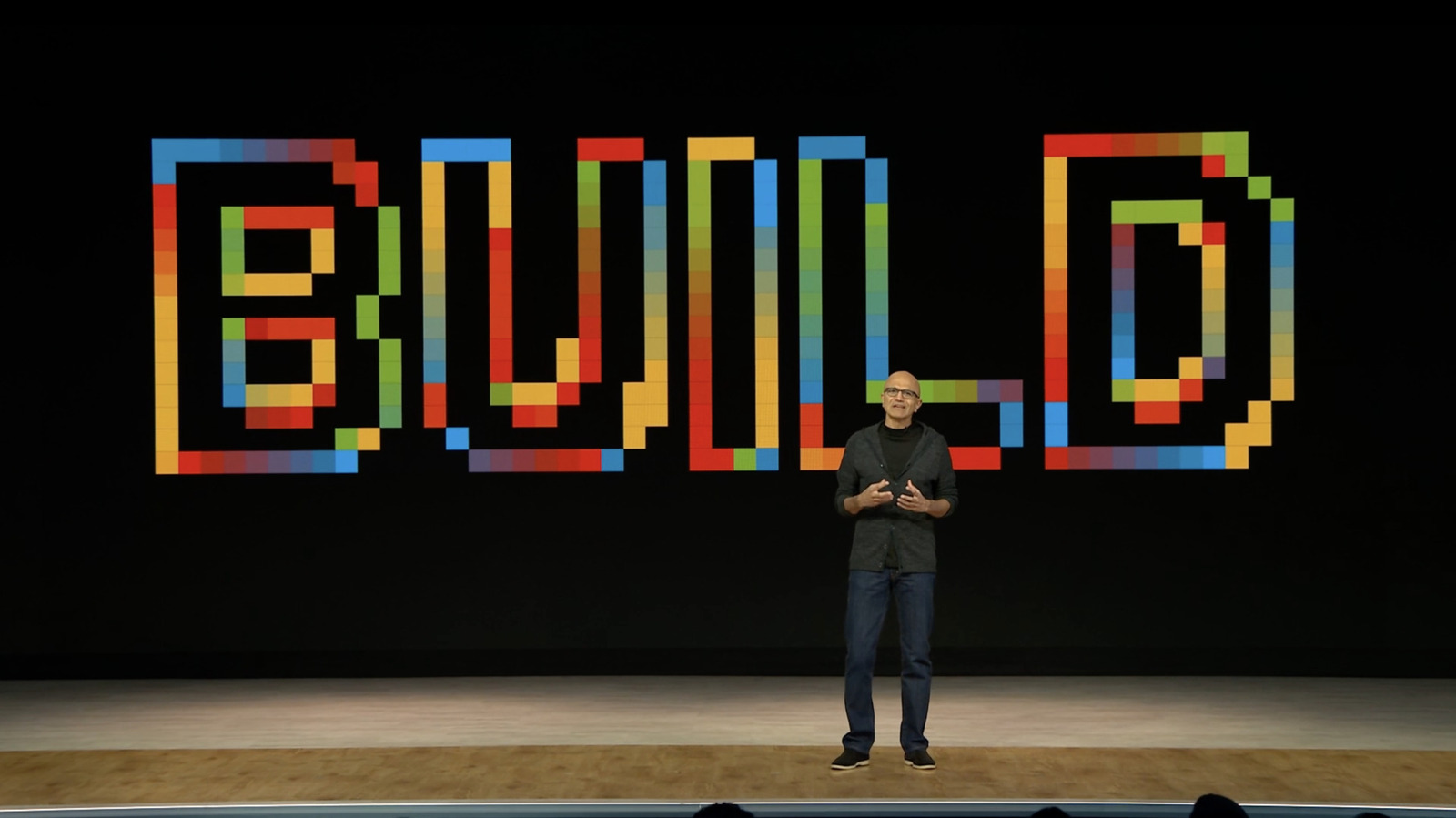
At Microsoft Build 2026, the company unveiled its own AI models and deep Windows Copilot integration, while OpenAI announced the end of support for major models. The dev community is buzzing about AI agents and multi-agent frameworks, alongside continuous improvements to tools from GitHub and AWS.
Top 5 Software Tech Trends — 2026-06-06
Top 5 Tech Trends
1. Microsoft’s In-house AI Model Strategy Accelerates
Microsoft announced seven new AI models at Build 2026, including their flagship model, MAI-Thinking-1, which features advanced reasoning capabilities. This is a strategic move to lower dependency on OpenAI and reduce costs for enterprise AI solutions.
- Why it matters: By advancing its own AI models, Microsoft is securing independent competitiveness in the cloud AI ecosystem, signaling intensified competition across the broader AI market.
- Key companies/projects: Microsoft, OpenAI, NVIDIA (RTX-based PCs)
- Action items for practitioners: Review technical documentation for MAI-Thinking-1 and evaluate the potential for using these new models within Azure AI services.

2. Native AI Agent Integration in Windows
Microsoft has deeply integrated Copilot AI throughout the Windows OS and added Agent 365 governance features. This essentially transforms Windows into an AI-centric agent platform.
- Why it matters: OS-level agent integration sets a new standard for enterprise software development, allowing developers to build agent-based functions directly within the platform.
- Key companies/projects: Microsoft, Copilot AI
- Action items for practitioners: Test agent APIs in the Windows development environment and explore how to add agent functionality to existing applications.
3. Redefining the Role of AI Code Generation Tools
With OpenAI, Anthropic, and Google releasing new models in recent weeks, software engineers are re-evaluating how they work with AI tools. The paradigm is shifting from "AI writes the code" to "Collaborating with AI to solve high-level problems."
- Why it matters: The evolution of coding productivity tools is changing developer career paths and hiring patterns, highlighting practical challenges like a potential decrease in junior developer roles.
- Key companies/projects: OpenAI, Anthropic, Google, GitHub Copilot
- Action items for practitioners: Re-learn how to interact with AI tools and focus on developing advanced problem-solving skills.
4. GitHub Copilot Deep Integration with Visual Studio
In its May 2026 update, GitHub enhanced Copilot’s planning, review, and task management capabilities within Visual Studio. The dev tools themselves are evolving into AI-powered collaboration platforms.
- Why it matters: AI integration at the IDE level is reshaping the entire development workflow, maximizing productivity while simultaneously increasing platform lock-in.
- Key companies/projects: GitHub, Microsoft Visual Studio 2026
- Action items for practitioners: Enable the latest Copilot features in Visual Studio 2026 and incorporate them into your team's workflow.

5. Rise of Open-Source AI and Multi-Agent Frameworks
Communities like devFlokers are actively discussing open-source AI models and multi-agent frameworks like MiniMax M3, NVIDIA Cosmos 3, and OpenClaw. The developer community is talking about the evolution from "Agents" to "Agent Harness," where systems perform functions beyond their original design scope.
- Why it matters: The expansion of open-source AI solutions allows developers to reduce reliance on proprietary models while standardizing the design of complex multi-agent systems.
- Key companies/projects: MiniMax, NVIDIA, OpenClaw, Hermes framework
- Action items for practitioners: Evaluate open-source AI models, conduct POCs, and explore multi-agent frameworks.
Deep Analysis
1. Democratization of AI Models and Enterprise Competition
The simultaneous release of new models by Microsoft, OpenAI, Google, and Anthropic is rapidly shifting the AI market into a highly competitive state. With the emergence of open-source alternatives (MiniMax M3, NVIDIA Cosmos 3), developers now have a diverse array of options, creating an environment entirely different from the past era of OpenAI dominance.
2. The Triple Integration of OS, IDE, and Cloud
AI is being integrated natively across Microsoft’s full stack—Windows, Visual Studio, and Azure. While this maximizes developer productivity, it also increases platform dependency, prompting developers to begin evaluating alternatives.
3. Standardization of Agent-Based Software Architecture
The concept of an "Agent Harness" is gaining traction. Beyond simple agents, developers are becoming interested in autonomously scalable system designs, which may well become the new software configuration paradigm following the REST API-based microservices era.
Notable Developments
-
OpenAI Model Sunset: GPT-4.5 will be discontinued on June 27, 2026, and o3 on August 26. The Assistants API will be completely shut down on August 26, 2026. Migration planning for existing OpenAI-based applications is mandatory.
-
AWS Amazon Q Developer Sunset: New account creation will stop after May 15, 2026. Existing users should look into migrating to alternative tools (GitHub Copilot, JetBrains AI).
-
Strengthened Python Dependency Management: GitHub has added transitive dependency tree and SBOM features for Python projects, highlighting the growing importance of security and supply chain management.
This Week’s Checklist
- Check the OpenAI model sunset schedule and create a migration plan (especially for GPT-4.5 users).
- Review Microsoft Build 2026 materials and evaluate new Azure AI features.
- Confirm the support status of AI tools currently in use (Amazon Q, OpenAI API, etc.).
- Enable GitHub Copilot Visual Studio integration and plan for team-wide adoption.
- Scan technical documentation for open-source AI models (MiniMax M3, NVIDIA Cosmos 3).
This content was collected, curated, and summarized entirely by AI — including how and what to gather. It may contain inaccuracies. Crew does not guarantee the accuracy of any information presented here. Always verify facts on your own before acting on them. Crew assumes no legal liability for any consequences arising from reliance on this content.
Powered by
