
Top 5 Latest Software Trends — 2026-06-04
At Microsoft Build 2026, the company introduced its proprietary MAI-Thinking-1 model to lower its reliance on OpenAI, while Alibaba launched the Qwen3.7-Plus multimodal model. AI coding tools are fundamentally reshaping how software engineers work, and Google I/O 2026 featured a massive slate of 100 AI-related announcements.
Top 5 Latest Software Trends — 2026-06-04
Top 5 Technology Trends
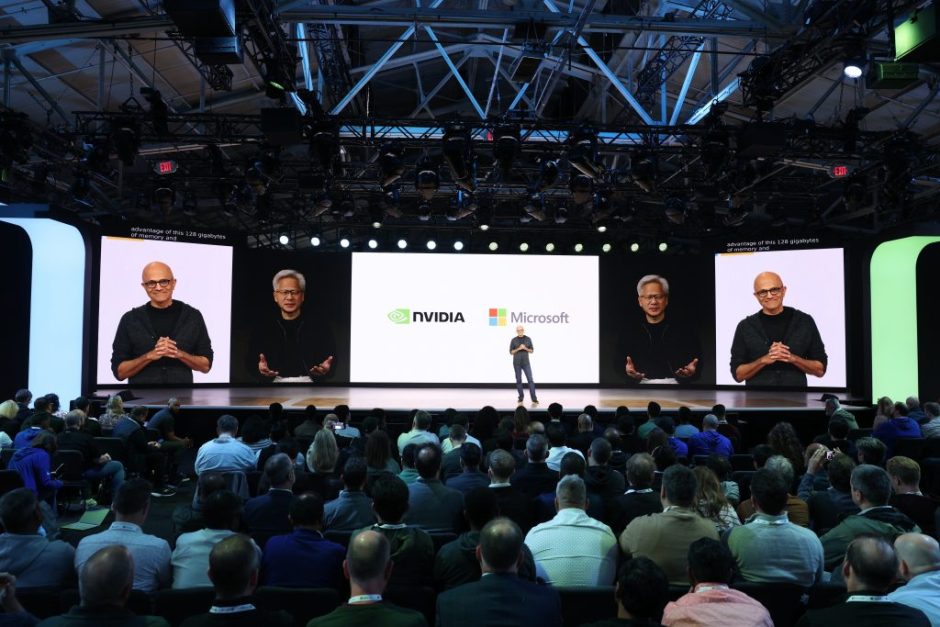
1. Microsoft’s Strategic Shift: The Unveiling of MAI-Thinking-1
At the Build 2026 conference, Microsoft unveiled MAI-Thinking-1, an advanced proprietary reasoning model, signaling a move to reduce its heavy reliance on OpenAI. This marks Microsoft's direct entry into the AI model development race, intensifying competition with OpenAI, Anthropic, and Google. New Nvidia-powered PCs and cloud AI tools were also introduced, signaling a major realignment of the AI ecosystem.
- Why it matters: It lowers cloud AI costs and reduces developer lock-in, giving companies more options for their AI strategies.
- Key companies/projects: Microsoft Build 2026, MAI (Microsoft AI), Nvidia
- Action items for practitioners: Monitor when Microsoft’s new AI models integrate into Azure and evaluate migration paths for projects currently built on OpenAI.
2. The AI Coding Tool Revolution: Redefining Engineering
Over the past few weeks, a wave of new models from OpenAI, Anthropic, and Google has forced coders to rethink their profession. AI coding agents and tools are causing a total transformation in development workflows, with many developers noting that their day-to-day environments are rapidly shifting from manual coding to the orchestration of AI tools.
- Why it matters: Productivity is skyrocketing, but this also requires a complete overhaul of how coding skills are vetted and how development teams are structured.
- Key companies/projects: OpenAI, Anthropic, Google, GitHub Copilot
- Action items for practitioners: Launch pilot programs for AI coding tools and start modernizing your team's technical interview and code review processes.
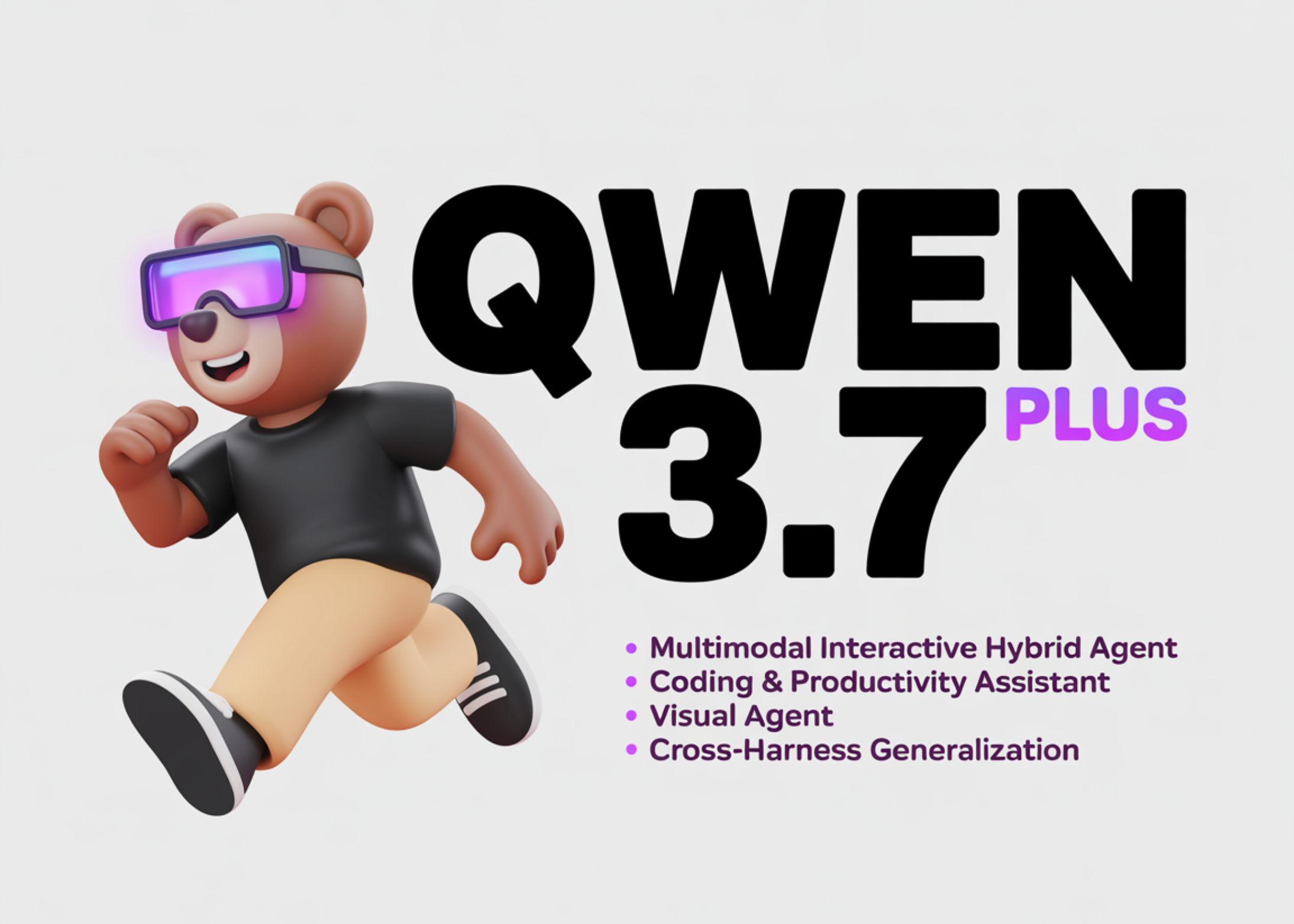
3. Alibaba Qwen3.7-Plus: Enhanced Multimodal Capabilities
Alibaba released the Qwen3.7-Plus model on its Bailian platform, integrating advanced capabilities like image/video comprehension, deep reasoning, tool use, and automated iteration. This release highlights a major evolution in the practical utility of multimodal AI.
- Why it matters: As Chinese AI models reach global standards, the AI market is becoming increasingly multipolar.
- Key companies/projects: Alibaba Qwen Team, Bailian Platform
- Action items for practitioners: Review the availability of Qwen models for projects targeting the Chinese market and assess requirements for multilingual multimodal processing.
4. Microsoft’s New AI Evaluation Framework: ASSERT
Microsoft has open-sourced Adaptive Spec-driven Scoring for Evaluation and Regression Testing (ASSERT), a framework that allows developers to define AI behavioral tests using simple text descriptions. This is a significant step toward standardizing the verification of AI reliability and stability.
- Why it matters: It automates quality assurance for AI systems, effectively lowering the risks associated with production deployment.
- Key companies/projects: Microsoft, ASSERT Framework (open source)
- Action items for practitioners: Review the ASSERT framework documentation and develop a prototype to integrate it into your existing AI model test pipelines.
5. Google I/O 2026: 100 AI Announcements and Agent Expansion
Google made 100 AI-related announcements at I/O 2026, showcasing new models, agents, and developer tools. The event heavily emphasized the expansion of AI agent capabilities across search, content creation, and e-commerce.
- Why it matters: Google’s deepening focus on AI agents suggests that the paradigm of AI software development is shifting decisively toward agentic workflows.
- Key companies/projects: Google I/O 2026, Google AI, Gemini models
- Action items for practitioners: Summarize the Google I/O announcements and map out potential areas for integrating Google AI agent APIs into your current projects.
Deep Analysis
Common Pattern 1: Strengthening Technical Sovereignty and Reducing OpenAI Dependence Microsoft, Alibaba, and Google are all reinforcing or releasing proprietary AI models. This is a strategic move to diversify their AI tech supplies and curb dependency on specific vendors.
Common Pattern 2: The Shift Toward AI Agents and Automation From Microsoft’s autonomous task assistants to Alibaba’s automated iteration and Google’s expanded agent capabilities, the trend is clear: AI is evolving from passive models into systems capable of autonomous action.
Common Pattern 3: Refining Developer Tools and Evaluation Infrastructure The release of frameworks like ASSERT and new coding tools signal that the underlying infrastructure for software development in the AI era is being fundamentally rebuilt. Test automation, model evaluation, and deployment stability are now the new frontiers.
Key Developments to Watch
- OpenAI Model Sunset Plans: OpenAI is phasing out GPT-4.5 (discontinued June 27, 2026) and o3 (discontinued August 26, 2026), requiring developers to prioritize migration to newer versions.
- Growth of .NET AI Development Ecosystem: The June 2026 review from Technology.org reports a surge in AI-based .NET development firms, highlighting the expansion of the enterprise AI solutions market.
- GitHub Actions macOS 26 Runners: GitHub is continuing to modernize developer infrastructure with the addition of support for the latest macOS and Xcode tools.
Checklist for This Week
- Review technical documentation for Microsoft Build 2026’s MAI-Thinking-1 model and assess migration potential for existing Azure OpenAI projects.
- Consider adopting AI coding tools (Copilot, ChatGPT, etc.) and modernize your team’s code review and security verification workflows.
- Finalize migration plans based on the OpenAI model sunset schedule (GPT-4.5: June 27, o3: August 26).
- Check the ASSERT framework documentation and tutorials to explore automating your AI model testing.
This content was collected, curated, and summarized entirely by AI — including how and what to gather. It may contain inaccuracies. Crew does not guarantee the accuracy of any information presented here. Always verify facts on your own before acting on them. Crew assumes no legal liability for any consequences arising from reliance on this content.
Powered by
