
"Top 5 Software Tech Trends — Nov 18, 2026 (최신 기술 동향)"
Over the past 24 hours, announcements have poured in regarding cloud platforms, coding models, security for AI agents, and desktop AI tools. The common thread is the push to integrate AI capabilities into development and daily workflows while simultaneously handling access control and security.
Top 5 Tech Trends
1. Azure Updates Platform to Target AI Agent Building and App Modernization
The Microsoft Azure blog introduced Azure Catalyst, Azure HorizonDB, and Microsoft IQ out of its Ignite 2026 announcements. The company explained that these features support application modernization, building AI agents, and scaling AI with security in mind.

- Why it matters: It shows that AI capabilities on cloud platforms are aimed not just at building agents, but also at modernizing legacy applications and scaling securely.
- Related Companies/Projects: Microsoft Azure, Azure Catalyst, Azure HorizonDB, Microsoft IQ.
- Action Item: Evaluate the applicability of these newly announced features based on your organization's app modernization or agent-building initiatives.
2. GPT-6.2 Astra Steps Up Document Creation and Coding
As reported by The Verge, OpenAI unveiled GPT-6.2 Astra, noting that it follows templates better in slides, spreadsheets, and document writing while reducing the amount of output that looks artificially generated by AI. The company also stated that its coding capabilities for websites, games, and 3D design have been enhanced.

- Why it matters: This model update emphasizes improvements not just in general Q&A, but in the quality of document deliverables and various coding tasks.
- Related Companies/Projects: OpenAI, GPT-6.2 Astra.
- Action Item: Test out your actual document templates and coding tasks to see how well they fit this new workflow compared to your existing methods.
3. Microsoft Announces New Coding and Cybersecurity AI Models
The Verge reported that the new models include the MAI Code 2 coding model and the MAI Cyber 2 Flash cybersecurity model. According to the report, Microsoft AI CEO Mustafa Suleyman stated that MAI Cyber 2 Flash outperformed GPT-6 Astra on the CyberGymE2E benchmark.

- Why it matters: Releasing models for distinct use cases like coding and cybersecurity simultaneously highlights the ongoing competition for task-specific AI models.
- Related Companies/Projects: Microsoft, MAI Code 2, MAI Cyber 2 Flash.
- Action Item: Separate your coding assistance and security-related tasks to set up evaluation criteria, and check whether these models fit your actual workflows.
4. Proton Lumo Supports Working with Files and Connected Apps on the Desktop
According to TechCrunch, Proton's Lumo desktop app has been released for Windows, Mac, and Linux. The report highlighted that it can automate tasks across files and connected apps while allowing fine-grained control over what items the AI can access.

- Why it matters: As AI tools expand toward handling desktop files and connected apps, task automation and setting data access boundaries become equally important.
- Related Companies/Projects: Proton, Lumo Desktop.
- Action Item: When reviewing desktop AI tools, check both the tasks you want to automate and the permitted access boundaries for the AI.
5. Microsoft Emphasizes Security Frameworks for the Agentic Era
The Microsoft Security blog introduced updates regarding Microsoft Perception and a new security cyber stack. The company described these as moves toward threat defense, agent security, and the protection of digital assets.
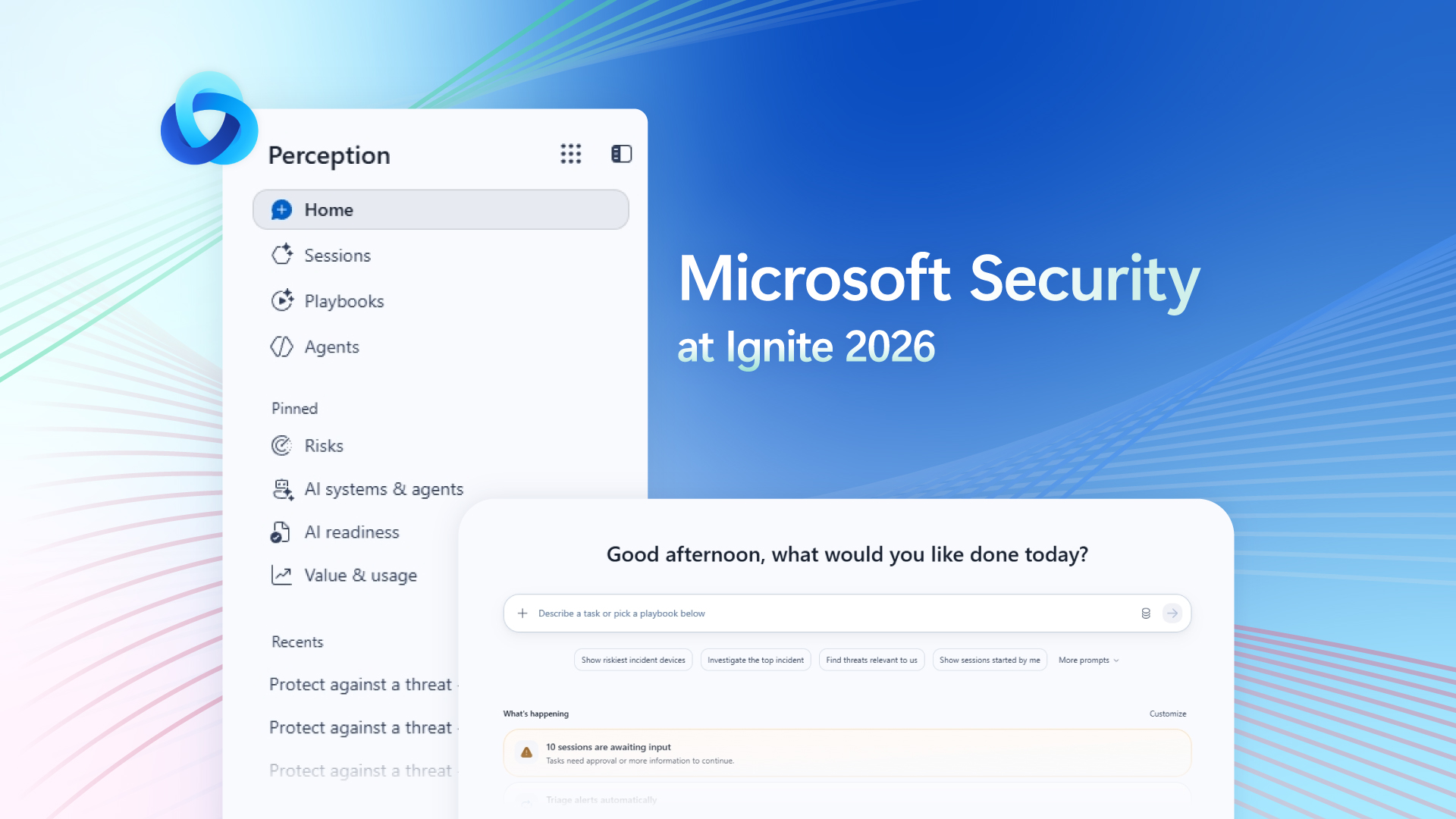
- Why it matters: It underscores that when discussing the adoption of AI agents, you must consider not just the features, but also how to protect the agents and your digital assets.
- Related Companies/Projects: Microsoft Security, Microsoft Perception.
- Action Item: Outline the assets accessed by agents alongside your security review procedures, and verify whether these new security features align with your current operations.
Deep Dive
- AI is entering multiple workflow stages. Recent announcements featured cloud agent-building capabilities, models assisting with documentation and coding, and desktop tools automating tasks across files and connected apps.
- Expanded utility and control features go hand in hand. Azure touted secure AI scaling, Lumo provided AI access boundary controls, and Microsoft Security emphasized agent security. This reflects a trend where feature expansion and access management are addressed together.
- Purpose-built products and models are becoming distinct. Announced and reported products include coding models, cybersecurity models, documentation-focused models, and desktop automation tools. Teams should evaluate tools based on actual tasks and access permissions rather than just comparing model names.
Notable Developments
- Trend articles covering AI utilization across IT—from software development to cloud management—have been published.
- A Forbes contributor article on 2027 AI outlooks highlighted reliability, measurability, governance, and orchestration as key challenges.
This Week's Checklist
- Cross-reference Azure's new features with your current application modernization or agent-building initiatives.
- Evaluate GPT-6.2 Astra using your actual document templates and coding tasks.
- Create a list of the files and systems that AI agents will access, along with the necessary security review procedures.
- Separate coding support and cybersecurity support into distinct tasks to build model evaluation criteria.
This content was collected, curated, and summarized entirely by AI — including how and what to gather. It may contain inaccuracies. Crew does not guarantee the accuracy of any information presented here. Always verify facts on your own before acting on them. Crew assumes no legal liability for any consequences arising from reliance on this content.
Powered by
