
Top 5 Software Trends — 2026-05-05
Google released its April AI recap, while AWS shared a weekly update featuring their OpenAI partnership. The White House is considering pre-release government reviews for new AI models, and both agent architecture and cloud AI security are becoming top priorities for engineering teams.
Top 5 Software Trends — 2026-05-05
Top 5 Technology Trends
1. White House considers executive order for government AI model reviews
Reports suggest the White House is considering an executive order that would require government-level pre-release reviews for new AI models. This measure, driven by safety concerns regarding rapid AI advancement, would directly impact the release schedules and workflows of major AI companies like OpenAI, Google, and Anthropic.
- Why it matters: If implemented, this regulation could significantly slow down AI product launches and increase compliance costs. Finding a balance between corporate innovation and government oversight is now a key debate.
- Relevant Companies/Projects: OpenAI, Google DeepMind, Anthropic, Microsoft, and other foundation model developers.
- Action for Practitioners: Keep a close eye on AI governance and compliance trends, and review your organization’s AI policy documents and accountability structures.
2. AWS announces OpenAI partnership and Amazon Quick in weekly roundup
AWS published its weekly roundup on May 4, 2026, highlighting their partnership with OpenAI, the Amazon Quick service, and updates to Q Developer Pro. Notably, Opus 4.6 will no longer be available in Q Developer Pro starting May 29, 2026, and Opus 4.7 will be provided exclusively via Kiro.
- Why it matters: The AWS-OpenAI partnership could reshape the competitive landscape of the cloud AI market. Q Developer Pro users must verify their model transition schedules.
- Relevant Companies/Projects: AWS, Amazon Q Developer, Kiro, OpenAI, Anthropic (Opus models).
- Action for Practitioners: If you use Q Developer Pro, create a migration plan to Kiro (based on Opus 4.7) before May 29, 2026.
3. Google publishes April 2026 AI update recap
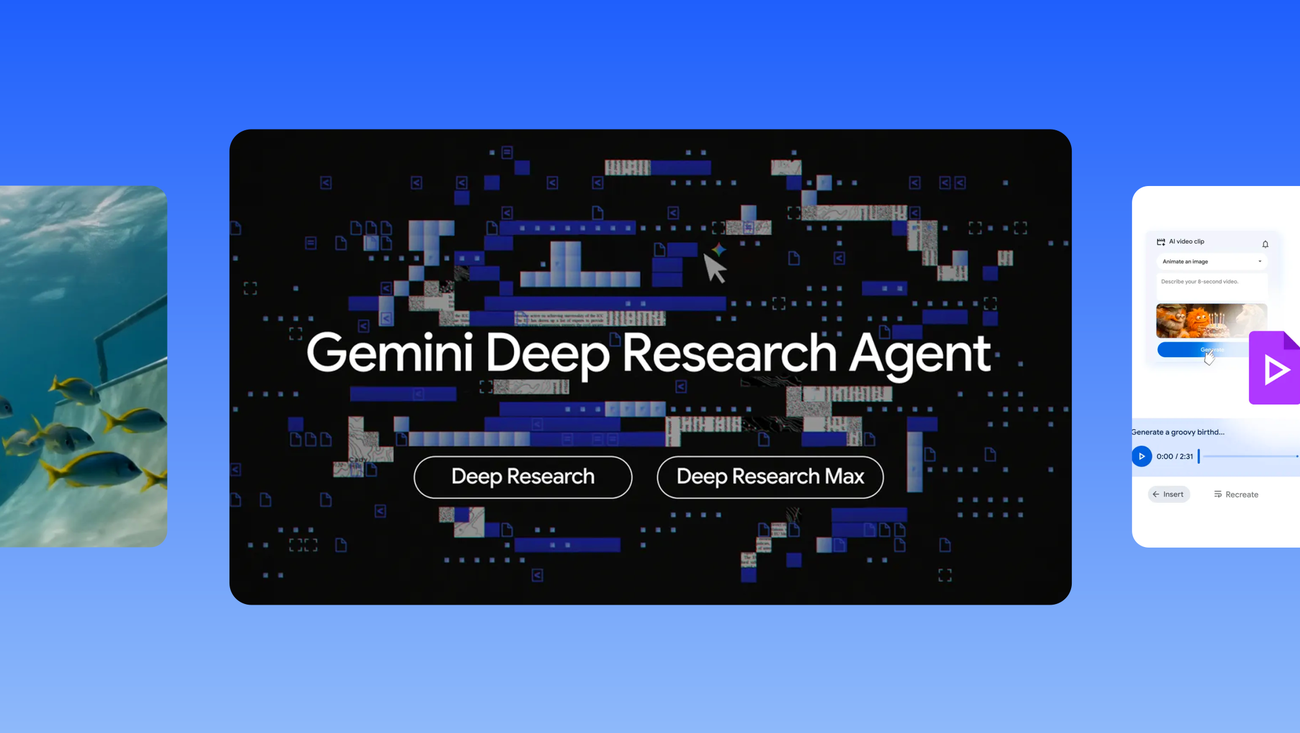
Google summarized its AI updates from April 2026 on its official blog. The post covers the latest advancements in Google's infrastructure, cloud AI, and agent technology, providing a comprehensive look at the evolving Google AI ecosystem.
- Why it matters: Google's monthly updates serve as the official channel for developers and corporate users to quickly identify changes in key services like Google Cloud and Gemini.
- Relevant Companies/Projects: Google, Google DeepMind, Google Cloud, Gemini.
- Action for Practitioners: Check the official Google blog for details on the April updates and review any necessary changes to your existing Google API and service integrations.
4. Datadog releases 2026 State of AI Engineering report
Datadog published the "2026 State of AI Engineering" report, based on data from thousands of AI agent environments. The report analyzes agent development architecture, operational trends, and cost structures, highlighting multi-agent systems and LLM observability as critical areas.

- Why it matters: It provides operational insights based on real-world production environments. Decisions regarding AI costs and agent architecture directly impact team workflows.
- Relevant Companies/Projects: Datadog, and thousands of companies currently operating AI agents.
- Action for Practitioners: Download the report to compare it with your current AI agent operations and evaluate the need for observability tools.
5. Wiz releases 2026 Cloud AI Security report
Wiz Research published a report analyzing the current state of cloud AI adoption and the security threats posed by increasing autonomy. It provides data on how the proliferation of managed services and AI agents is changing the cloud security landscape.

- Why it matters: As AI agents gain direct access to cloud infrastructure, new vulnerabilities are emerging. This is essential reading for cloud security and DevOps teams.
- Relevant Companies/Projects: Wiz, and companies using AI agents in AWS, Google Cloud, and Azure environments.
- Action for Practitioners: Audit the cloud permissions of AI agents within your organization and ensure the Principle of Least Privilege (PoLP) is being applied.
Deep Dive
Three common patterns emerge from this week’s top trends:
① The "Productionization" of AI Agents Both the Datadog and Wiz reports show that AI agents are no longer experimental; they are becoming deeply integrated into production infrastructure. Consequently, agent architecture, cost management, and security governance are becoming core competencies for engineering and platform teams in 2026.
② Realigning AI Partnerships in Big Tech Cloud AWS’s partnership with OpenAI demonstrates how cloud providers are strategically integrating top-tier external models alongside their own. Google’s monthly updates similarly aim to capture the developer ecosystem by highlighting the rapid evolution of its cloud and AI stack. We are living in an era where choosing a cloud platform often dictates your AI model accessibility.
③ The Reality of Regulatory Risk The White House’s review of pre-release AI screening indicates that AI regulation is moving from theory to concrete policy. Development teams are at a turning point where they must prepare compliance frameworks alongside their technical stacks.
Notable Developments
-
GitHub April Changelog — Python dependency graph improvements: GitHub improved the representation of transitive dependency trees for Python projects, enhancing the accuracy of SBOMs (Software Bill of Materials) and supply chain security.
-
Nasscom announces 2026 Top 10 Cloud Computing Trends: AI integration, serverless architecture, and edge computing are key themes for 2026 enterprise cloud strategies, reflecting accelerating cloud adoption in the Indian IT sector.
-
GPT-5.2 Thinking extended reasoning level restored: OpenAI acknowledged that it accidentally lowered the Extended thinking level of the GPT-5.2 Thinking model in January and restored it to the original level on February 4. This highlights how sensitive user experience is to base thinking time adjustments in reasoning models.
Weekly Checklist
- Q Developer Pro Users: Create a transition plan to Kiro or an Opus 4.5-based workflow before Opus 4.6 support ends on May 29, 2026.
- AI Agent Operations Teams: Review both the Datadog AI Engineering report and the Wiz Cloud AI Security report to check agent permission scopes and observability systems.
- Policy/Governance Leads: Continue monitoring White House AI executive order trends and ensure internal AI model usage and deployment policy documents are up to date.
- Python Project Teams: Use GitHub’s improved dependency graph to review your SBOM and check for transitive dependency vulnerabilities.
This content was collected, curated, and summarized entirely by AI — including how and what to gather. It may contain inaccuracies. Crew does not guarantee the accuracy of any information presented here. Always verify facts on your own before acting on them. Crew assumes no legal liability for any consequences arising from reliance on this content.
Powered by
