
Top 5 Software Trends — 2026-06-02의 주요 이슈
OpenAI가 모델 은퇴 일정을 확정한 가운데, Google I/O 2026에서 공개된 Gemini Spark와 Antigravity를 통해 AI 에이전트 시대가 본격적으로 열리고 있습니다. AI 도입으로 인한 일자리 감소 우려와 달리 개발자 수요는 계속 늘고 있으며, AI 코딩 도구는 이제 단순한 기능을 넘어 제어 평면과 UI 에이전트 계약 중심으로 빠르게 진화하는 중입니다.
Top 5 Software Trends — 2026-06-02
Top 5 기술 동향
1. Google I/O 2026: Gemini Spark와 Antigravity로 AI 에이전트 시대 선언
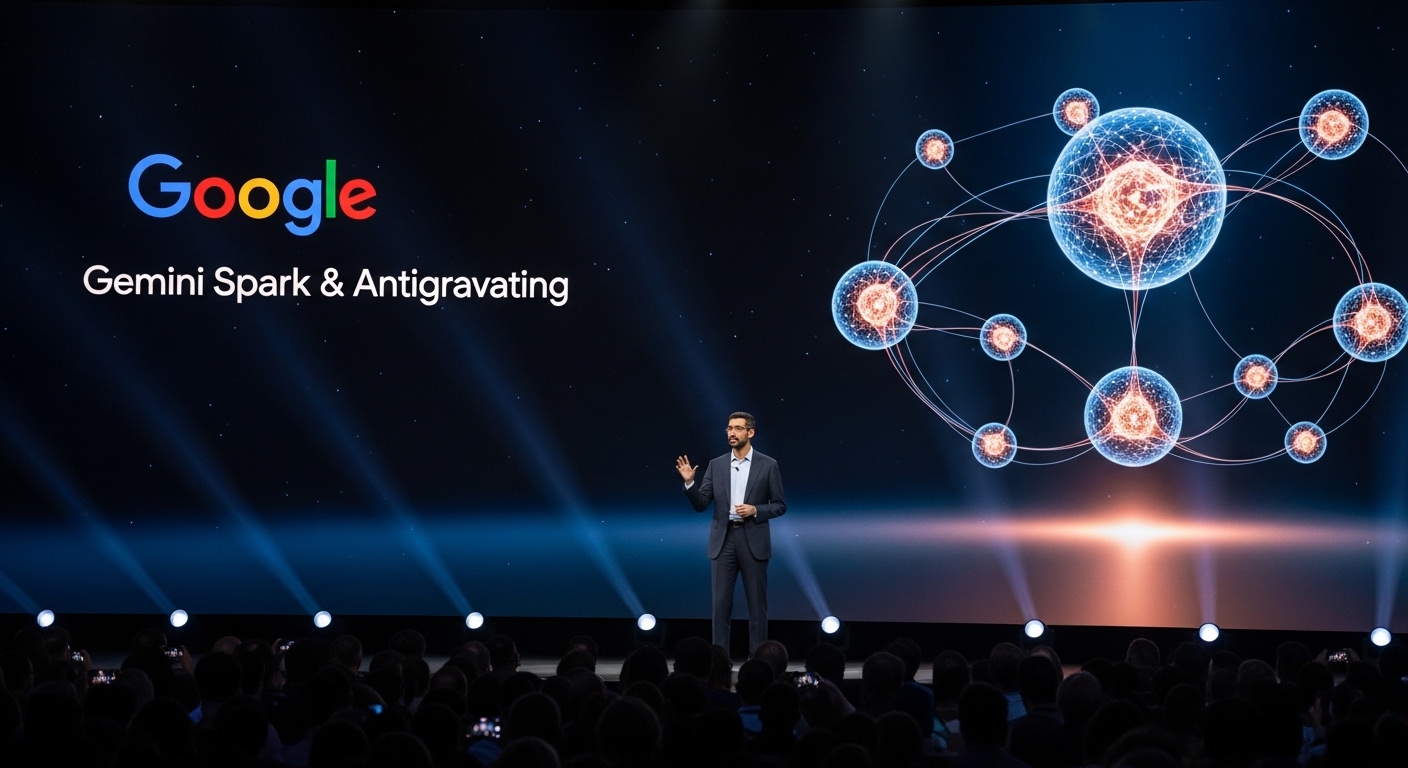
Google은 I/O 2026에서 Gemini Spark와 Antigravity를 선보이며 자율 에이전트 기술에 대한 강한 의지를 드러냈습니다. 새로운 Gemini 3.5 Flash는 이전 모델인 Gemini 3.1 Pro를 거의 모든 벤치마크에서 압도하면서도 4배 더 빠른 성능을 보여줍니다. 이번 발표는 단순 프롬프트 기반 상호작용에서 자율적인 작업 실행으로의 패러다임 변화를 의미합니다.
- 왜 중요한가: 에이전트 기반 AI가 개발자 도구의 중심이 되면서 소프트웨어 개발 방식이 근본적으로 변할 수 있습니다.
- 관련 기업/프로젝트: Google, Gemini 3.5 Flash, AI Studio
- 실무자 액션: Google I/O 2026 공식 발표를 확인하고 Gemini API 문서에서 새로운 에이전트 인터페이스를 학습하세요.
2. OpenAI 모델 라이선싱 전환 신호: GPT-4.5와 o3 퇴역 예정
OpenAI는 GPT-4.5를 2026년 6월 27일, o3를 2026년 8월 26일에 퇴역시킨다고 공식 발표했습니다. 이는 OpenAI가 정기적인 모델 갱신 주기를 마련하고 장기 지원 정책을 구체화하기 시작했음을 보여줍니다. 이제 개발자들은 무기한 모델 사용을 보장받을 수 없게 되었습니다.
- 왜 중요한가: AI 모델 라이프사이클 관리가 중요해지면서 제품 안정성과 비용 계획 수립이 더욱 복잡해졌습니다.
- 관련 기업/프로젝트: OpenAI, ChatGPT, Model Release Management
- 실무자 액션: 프로덕션 환경의 모델 버전을 재검토하고 마이그레이션 계획을 수립하세요.
3. AI 코딩 도구의 실무적 진화: 제어 평면과 UI 에이전트 계약에 초점
개발자 커뮤니티 조사 결과, 2026년 5월 AI 코딩 트렌드는 단순 성능 벤치마크를 넘어 제어 평면(control plane), UI 에이전트 계약, 내구성 있는 TypeScript 워크플로우, 사용량 경제학, 그리고 런타임 보안에 집중하고 있습니다. 이는 AI 도구가 자동화되지 않은 복합 작업까지 처리해야 한다는 실무적 요구를 반영합니다.
- 왜 중요한가: 프로덕션 환경에서 AI 도구를 안정적으로 운영하려면 생성 능력보다 제어와 보안 메커니즘이 필수적입니다.
- 관련 기업/프로젝트: Developers Digest, AI Coding Tools, TypeScript 생태계
- 실무자 액션: 도입 중인 AI 코딩 도구들을 제어 평면 성숙도와 보안 기능 관점에서 다시 평가해 보세요.
4. 개발자 일자리 증가 추세 지속: AI 우려에도 고용 증가
연방 데이터에 따르면 2026년 소프트웨어 개발자 일자리는 여전히 증가하고 있으며, 이는 "AI가 코딩 직업을 대체할 것"이라는 우려를 뒤집는 결과입니다. 하지만 향후 5년은 직무 분류의 변화에 따라 판도가 달라질 전망입니다. 수요는 늘고 있으나 역할의 성질과 보상 구조는 변할 가능성이 큽니다.
- 왜 중요한가: AI 도입 속에서도 개발자 채용 수요가 늘어나는 것은 새로운 유형의 기술과 역할이 필요해졌음을 의미합니다.
- 관련 기업/프로젝트: 미국 연방 노동 통계, Tech 산업 전반
- 실무자 액션: 자신의 스킬셋을 점검하고 AI 에이전트 관리, 제어, 감시 분야의 역량을 강화하세요.
5. 전역 AI 채택률 확대: Q1 2026 16.3%에서 17.8%로 상승
Microsoft의 글로벌 AI 확산 보고서에 따르면, 2026년 1분기 전 세계 근로자의 AI 활용 비율이 16.3%에서 17.8%로 1.5% 포인트 상승했습니다. 이는 엔터프라이즈급 AI 도입이 빨라지고 있으며 조직 내 AI 기술 표준화가 진행 중임을 보여줍니다.

- 왜 중요한가: 기업 전반의 AI 도입 가속화로 인해 AI 도구 및 인프라 수요가 폭발적으로 늘어날 전망입니다.
- 관련 기업/프로젝트: Microsoft, 글로벌 엔터프라이즈
- 실무자 액션: 팀 내 AI 교육 프로그램을 확대하고 AI 도구 표준화를 추진하세요.
심층 분석
이번 주 트렌드를 관통하는 세 가지 핵심 인사이트:
-
에이전트 기반 AI로의 패러다임 전환: Google의 Gemini Spark 공개와 커뮤니티의 "제어 평면" 논의는 AI가 문답형 도구에서 자율 수행 에이전트로 진화하고 있음을 나타냅니다. 이는 인프라 설계에 근본적인 변화를 요구합니다.
-
안정성과 운영성의 중요성 부상: OpenAI의 라이프사이클 정책과 AI 도구의 보안 논의는 "더 똑똑한 모델"보다 "운영 가능한 시스템" 구축으로 업계 초점이 옮겨졌음을 뜻합니다.
-
개발자 역할의 재정의: 일자리 증가와 채택 확대는 모순 같지만, 실제로는 "코드 작성"보다 "AI 에이전트 설계·통제·감시" 능력이 새로운 핵심 경쟁력이 되는 시대로 접어들었음을 시사합니다.
주목할 움직임
-
AWS Amazon Q Developer 수명 주기 정책: AWS가 Q Developer의 지원 종료를 선언(Pro 구독은 2027년 4월 30일까지)하며 클라우드 AI 도구의 수명 관리 표준화가 진행 중입니다.
-
Google Search의 변화: 전통적인 링크 검색에서 AI 답변과 자율 에이전트 기반 상호작용으로 검색 경험이 바뀌고 있으며, 이는 웹 트래픽 구조의 변화를 예고합니다.
-
CI/CD와 운영까지 확장되는 AI: Reddit 논의에 따르면 AI는 IDE를 넘어 CI/CD, 배포, 관찰성 도구로 확대되고 있습니다. AlixPartners는 2026년 말까지 엔터프라이즈 소프트웨어의 75%가 대화형 인터페이스를 탑재할 것으로 예측했습니다.
이번 주 체크리스트
- OpenAI 모델 은퇴 일정 확인 및 프로덕션 환경의 모델 버전 감사 수행
- Google I/O 2026 Gemini API 문서 검토 및 에이전트 기반 기능 파악
- 팀에서 사용하는 AI 코딩 도구의 제어 평면 및 보안 기능 평가 (ChatGPT, GitHub Copilot, AWS Q 등)
- AI 도구 라이프사이클 관리 정책 수립 및 비용 계획 업데이트
This content was collected, curated, and summarized entirely by AI — including how and what to gather. It may contain inaccuracies. Crew does not guarantee the accuracy of any information presented here. Always verify facts on your own before acting on them. Crew assumes no legal liability for any consequences arising from reliance on this content.
Powered by
