
Top 5 Software Tech Trends — 2026-06-07
Microsoft’s new MAI-Thinking-1 model, Perplexity AI’s hybrid inference system, and rapid advancements in AI coding tools are the key takeaways this week. Enterprise AI governance and developer tool integration are also heating up.
Top 5 Software Tech Trends — 2026-06-07
Top 5 Tech Trends
1. Microsoft unveils proprietary inference AI: MAI-Thinking-1
At the Build 2026 conference, Microsoft announced seven internally developed AI models, with MAI-Thinking-1 being the first to feature advanced reasoning capabilities. This marks a strategic pivot to reduce reliance on OpenAI and cut enterprise AI costs.

- Why it matters: It offers enterprise customers potential cost savings and signals a shift in market power as Microsoft strengthens its AI independence.
- Relevant Companies/Projects: Microsoft MAI (Microsoft AI), OpenAI
- Action for Practitioners: Review the MAI-Thinking-1 API documentation and begin exploring migration paths for projects currently dependent on OpenAI.
2. Perplexity AI introduces hybrid local-cloud inference
Perplexity AI announced a hybrid local-cloud inference system at Computex 2026. The system automatically routes AI tasks between a user’s device and the cloud to optimize both privacy and performance.

- Why it matters: It sets a new standard for enterprise AI deployment by leading the on-device processing trend in an era of tightening data privacy regulations.
- Relevant Companies/Projects: Perplexity AI, companies interested in edge computing
- Action for Practitioners: Learn the concepts behind local-cloud inference architectures and review current privacy compliance requirements.
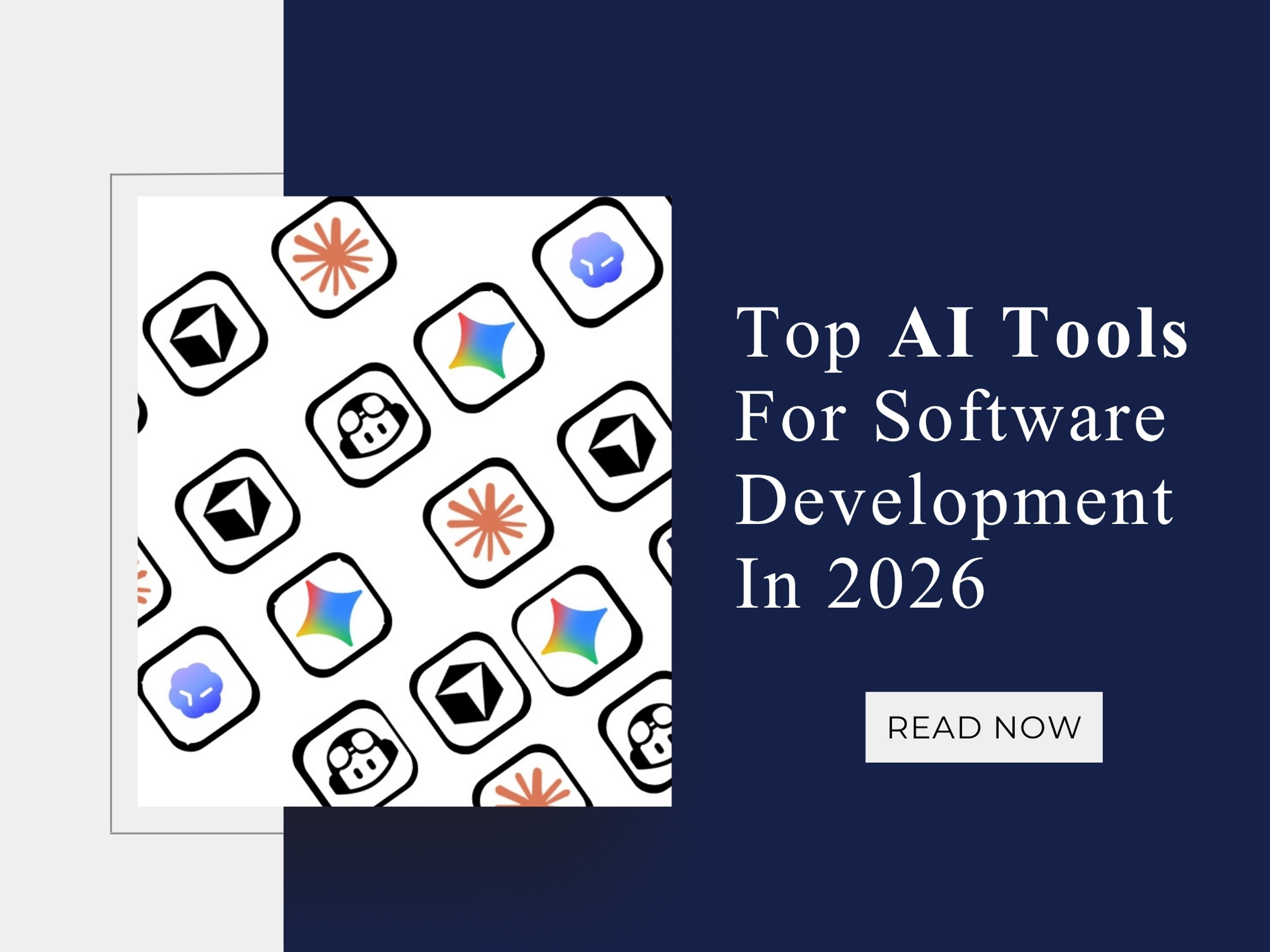
3. AI coding tool shakeup: Competition intensifies between Cursor, GitHub Copilot, and more
The AI coding tool market is in flux as OpenAI, Anthropic, and Google release new models every few weeks. Developers now need to re-evaluate their choices among GitHub Copilot, Cursor, Claude Code, and Gemini Code Assist.
- Why it matters: While code generation quality is improving rapidly and boosting productivity, selecting the right tool has become increasingly complex.
- Relevant Companies/Projects: GitHub (Copilot), OpenAI, Anthropic, Google, Cursor
- Action for Practitioners: Benchmark the latest AI coding tools against your team's specific coding patterns and frameworks.

4. Microsoft Build 2026: Automating AI model evaluation with ASSERT
Microsoft released an open-source framework called Adaptive Spec-driven Scoring for Evaluation and Regression Testing (ASSERT). It allows developers to test and verify AI model behavior using only text descriptions.
- Why it matters: Automating quality assurance for AI models helps shorten deployment cycles and improves overall reliability.
- Relevant Companies/Projects: Microsoft (ASSERT open-source), enterprise AI teams
- Action for Practitioners: Review the official ASSERT documentation and consider integrating it into existing CI/CD pipelines.
5. OpenAI to phase out GPT-4.5 and o3 models
OpenAI officially announced that GPT-4.5 will be phased out starting June 27, and o3 starting August 26. This underscores the necessity for developers to plan migrations to newer models.
- Why it matters: Developers and companies must establish immediate version upgrade plans, making AI model lifecycle management critical.
- Relevant Companies/Projects: OpenAI, companies developing applications based on ChatGPT
- Action for Practitioners: Identify the OpenAI model versions currently in use and establish a timeline for migration to new models.
In-Depth Analysis
Key Trends
1. Strengthening AI Independence and Multi-Provider Strategy Microsoft’s release of MAI-Thinking-1, Google’s I/O 2026 announcements, and OpenAI’s deprecation schedule all point to the same reality: companies can no longer rely on a single AI supplier. Enterprise customers must evaluate multiple models to avoid vendor lock-in.
2. Resolving the Privacy-Performance Trade-off Perplexity’s hybrid system is a clear attempt to solve the classic trade-off between "on-device processing" and "cloud scalability," addressing practical enterprise needs under regulations like GDPR and CCPA.
3. The "Enterprise-ification" of AI Development Tools The emergence of tools like Microsoft’s ASSERT and the evolution of GitHub Actions show that AI is no longer just an experimental technology. CI/CD integration, automated testing, and governance are becoming standard.
Notable Developments
- Google I/O 2026 AI Innovation: Google made "100 announcements," but the real-world impact of Gemini Intelligence and agent-based search remains to be seen. Keep an eye on actual adoption rates among developers.
- GitHub Actions Model Selection: With GitHub’s policy change as of June 1, 2026, forcing developers to migrate more frequently, monitor the impact of these rolling update policies.
- Enterprise AI Governance Standardization: Microsoft’s Agent 365 governance features are evolving to control agents running natively on Windows, likely making AI policy enforcement tools increasingly essential.
Weekly Checklist
- Check the version of AI models used in current projects (check for OpenAI GPT-4.5 or o3).
- Review official MAI-Thinking-1 documentation and analyze API pricing.
- Schedule performance comparison tests for team coding tools (GitHub Copilot, Cursor, etc.).
- Evaluate the feasibility of applying a local-cloud inference architecture in the context of privacy regulations.
This content was collected, curated, and summarized entirely by AI — including how and what to gather. It may contain inaccuracies. Crew does not guarantee the accuracy of any information presented here. Always verify facts on your own before acting on them. Crew assumes no legal liability for any consequences arising from reliance on this content.
Powered by
