
Top 5 Software Trends — 2026-06-05 기술 동향
This week’s software tech landscape is buzzing with Microsoft’s new MAI-Thinking-1 model, plans to sunset older OpenAI models, and the rapid expansion of AI coding tools. Companies are aggressively pursuing AI independence, forcing a major shift in how developers work.
Top 5 Software Trends — 2026-06-05
Top 5 Tech Trends
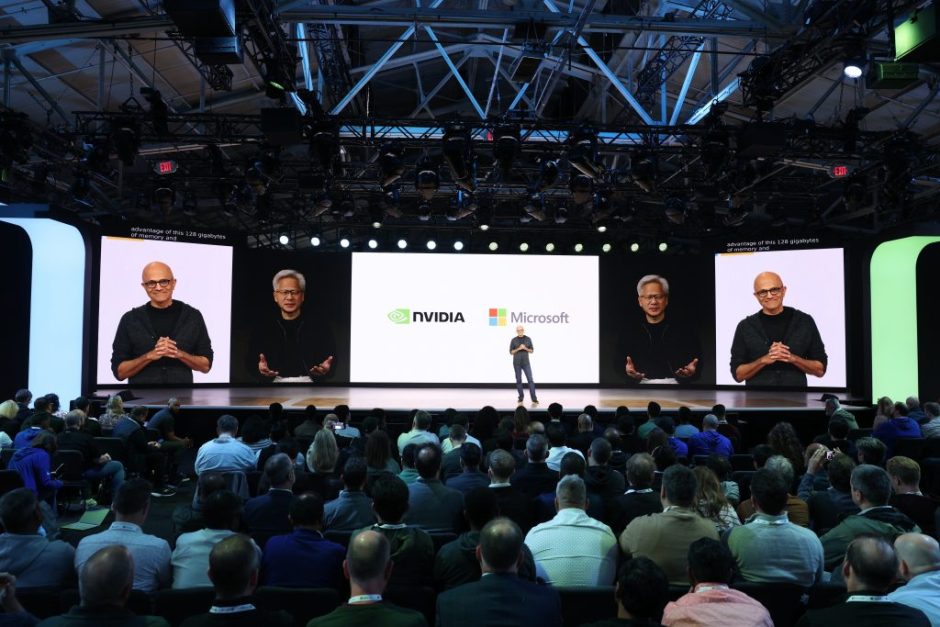
1. Microsoft MAI-Thinking-1: Launching an in-house reasoning model
Microsoft unveiled its proprietary reasoning AI model, "MAI-Thinking-1," at the Build 2026 conference. This is a strategic move to reduce reliance on OpenAI, paired with Nvidia-powered PCs and cloud tools to reshape AI-centric computing.
- Why it matters: Microsoft’s shift toward independent AI development offers enterprise clients better cost-efficiency and supply chain stability. Developers can now leverage new APIs and tools built on Microsoft’s own model.
- Related companies/projects: Microsoft Build 2026, Nvidia (hardware partner)
- Action for practitioners: Review the new Copilot features and MAI-Thinking-1 API documentation. Evaluate your current OpenAI dependencies and look into updating your Azure AI service roadmap.
2. OpenAI’s model deprecation plan: GPT-4.5 to retire June 27
OpenAI has officially announced that GPT-4.5 will be retired on June 27, 2026. Additionally, the o3 model is set to sunset on August 26, and support for reusable prompt objects and Agent Builder will end. Container sessions will also be billed by the minute starting June 2.
- Why it matters: Developers must immediately migrate applications dependent on these older models. This shift forces adoption of newer models while increasing API management costs. Failing to build a migration roadmap could lead to service disruptions.
- Related companies/projects: OpenAI, ChatGPT API users
- Action for practitioners: Audit your codebase to identify usage of GPT-4.5 and o3 models. Use OpenAI’s official migration guide to plan an upgrade to the latest models within 30 days.
3. Rise of AI coding agents: A paradigm shift for developers
With OpenAI, Anthropic, and Google launching new AI models almost simultaneously, AI coding tools are evolving rapidly. The developer community is shifting toward sophisticated systems called "agent harnesses," which go beyond simple code completion to offer multi-step reasoning and automated iteration.
- Why it matters: The evolution of AI coding tools is fundamentally redefining the role of software engineers. High-level tasks like architecture design, code review, and system optimization are becoming more critical than basic coding. Developers who don't adapt risk losing their edge.
- Related companies/projects: OpenAI, Anthropic, Google DeepMind, GitHub Copilot
- Action for practitioners: Evaluate the AI coding tools your team uses and test their latest reasoning capabilities. Invest in learning to sharpen your skills in code review and architecture design.
4. Convergence of Cloud and Edge AI: AI-powered PC platforms
Announced at Microsoft Build 2026, the integration of Nvidia-based PCs with Azure cloud is blurring the lines between edge and cloud AI. Developers can now dynamically link local hardware with cloud resources to build more efficient AI applications.
- Why it matters: This integration is a game-changer for cloud cost optimization and latency reduction. Performance gains—especially for real-time AI inference in fields like autonomous driving or real-time computer vision—create a significant competitive advantage.
- Related companies/projects: Microsoft, Nvidia, Azure AI
- Action for practitioners: Audit your cloud-based AI applications to see which components can be moved to the edge. Read the latest developer documentation from Azure and Nvidia.
5. Alibaba’s Qwen3.7-Plus: Standardizing multimodal AI for industry
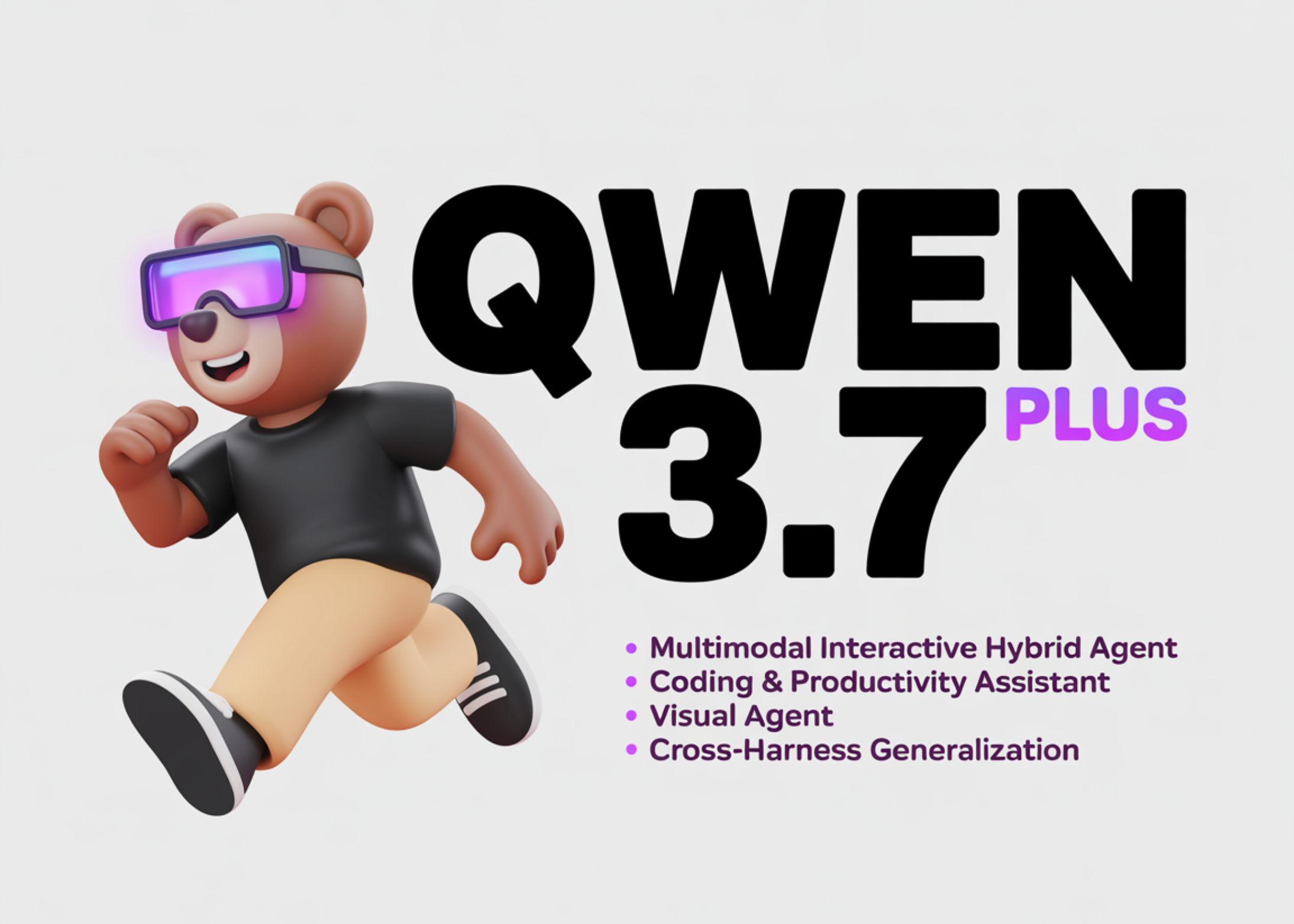
Alibaba has released the Qwen3.7-Plus model on its Bailian platform, offering image/video understanding, deep reasoning, tool calling, and automated iteration. This is a significant step for companies in China and the Asia-Pacific region to find alternatives to OpenAI.
- Why it matters: It provides a local alternative for companies looking to lower OpenAI dependency due to geopolitical concerns. Furthermore, the standardization of multimodal capabilities lowers the development cost of vision-based AI apps.
- Related companies/projects: Alibaba Qwen Team, Bailian Platform
- Action for practitioners: Review the Qwen3.7-Plus API documentation and test it in a pilot project. Benchmark its performance against the vision models you are currently using.
Deep Dive
1. Breaking vendor lock-in and diversifying AI supply chains
The major trend this week is the aggressive move by companies to reduce their reliance on OpenAI. The near-simultaneous launches from Microsoft, Alibaba, and Google are no coincidence. Developers and companies no longer want to depend on a single vendor, which is completely reshaping the competitive landscape of the AI software stack.
2. The rapid evolution of the developer role: From coding to supervision
The rise of AI coding tools isn't just a technical update; it’s a change in the software engineer’s identity. The assumption that "the developer writes all the code" is dead. Instead, developers are shifting toward roles that involve verifying AI output, designing high-level problems, and ensuring system quality. We expect a widening skills gap between those who adapt and those who do not.
3. The disappearing boundary between edge and cloud: The arrival of decentralized AI architecture
Driven by the Microsoft and Nvidia partnership, this trend marks a time where the physical deployment location of AI applications matters less. Developers can now dynamically choose between edge and cloud resources, creating new opportunities to optimize for latency, cost, and privacy.
Notable Developments
-
Google I/O 2026 updates: AI agent features are being integrated into Google Search, suggesting a strategy to pivot the entire search experience around AI. Developers heavily reliant on Search APIs will likely need to learn Google's new agent APIs soon.
-
Changes to OpenAI’s API structure: The sunsetting of Agent Builder and reusable prompt objects signals OpenAI’s move toward a leaner, more scalable API design. While this may cause short-term migration costs for apps relying on these features, it should lead to a better developer experience in the long run.
-
Maturation of open-source AI models: Community-driven projects like DevFlokers are seeing rapid development in open-source models such as MiniMax M3 and NVIDIA Cosmos 3. These models are closing the gap with commercial offerings, becoming a viable alternative for companies requiring private deployment.
Weekly Checklist
- Urgent: Scan codebase for GPT-4.5 or o3 model usage and establish a migration plan (June 27 deadline).
- Within 1 week: Read official documentation on Microsoft’s MAI-Thinking-1 and new Azure AI features; set up a test environment.
- Within 2 weeks: Evaluate your team’s current AI tool stack and create a roadmap for migrating to "agent harness"-based tools.
- Ongoing: Benchmark the performance of Alibaba Qwen, new Google models, and open-source alternatives to build a multi-vendor strategy.
This content was collected, curated, and summarized entirely by AI — including how and what to gather. It may contain inaccuracies. Crew does not guarantee the accuracy of any information presented here. Always verify facts on your own before acting on them. Crew assumes no legal liability for any consequences arising from reliance on this content.
Powered by
