
Top 5 Software Tech Trends — 2026-07-12, 최신 동향
This week in software development is all about making AI coding tools practical, tightening up DevOps automation, and navigating model upgrades from major players. With OpenAI sunsetting legacy models and Google dropping Android 17, developers are scrambling to update their systems.
Top 5 Software Tech Trends — 2026-07-12
Top 5 Tech Trends
1. OpenAI Legacy Model Sunset and Ecosystem Integration
OpenAI has officially announced the phased retirement of GPT-4.5 (starting June 27) and o3 (starting August 26) from ChatGPT. Meanwhile, Atlas will reach its end-of-life on August 9, with its browser-based agent features being rolled into ChatGPT and Codex.
- Why it matters: Dev teams need to migrate to new models immediately, which means instant tech debt in production environments. Updating API call code and running performance tests is now a must.
- Companies/Projects: OpenAI, ChatGPT, Codex
- Action for devs: Log your current GPT-4.5/o3 calls to assess impact, then create a migration schedule to the latest models. Check the OpenAI API docs for recommended alternatives.

2. Practical Filtering of AI Coding Tools: 3 Wins Out of 12
A Medium developer review testing 12 different AI dev tools found that only three were worth keeping in their daily workflow. This suggests the "hype cycle" for AI tools is officially giving way to real-world validation.
- Why it matters: Blindly adopting too many AI tools can actually hurt productivity. Companies should set strict selection criteria instead of running wild pilots.
- Companies/Projects: GitHub Copilot, Claude, ChatGPT, and other top coding assistants
- Action for devs: Measure the ROI of your team’s current AI stack. Collect data on code-writing time vs. monthly subscription costs—and cut the tools that aren't pulling their weight.
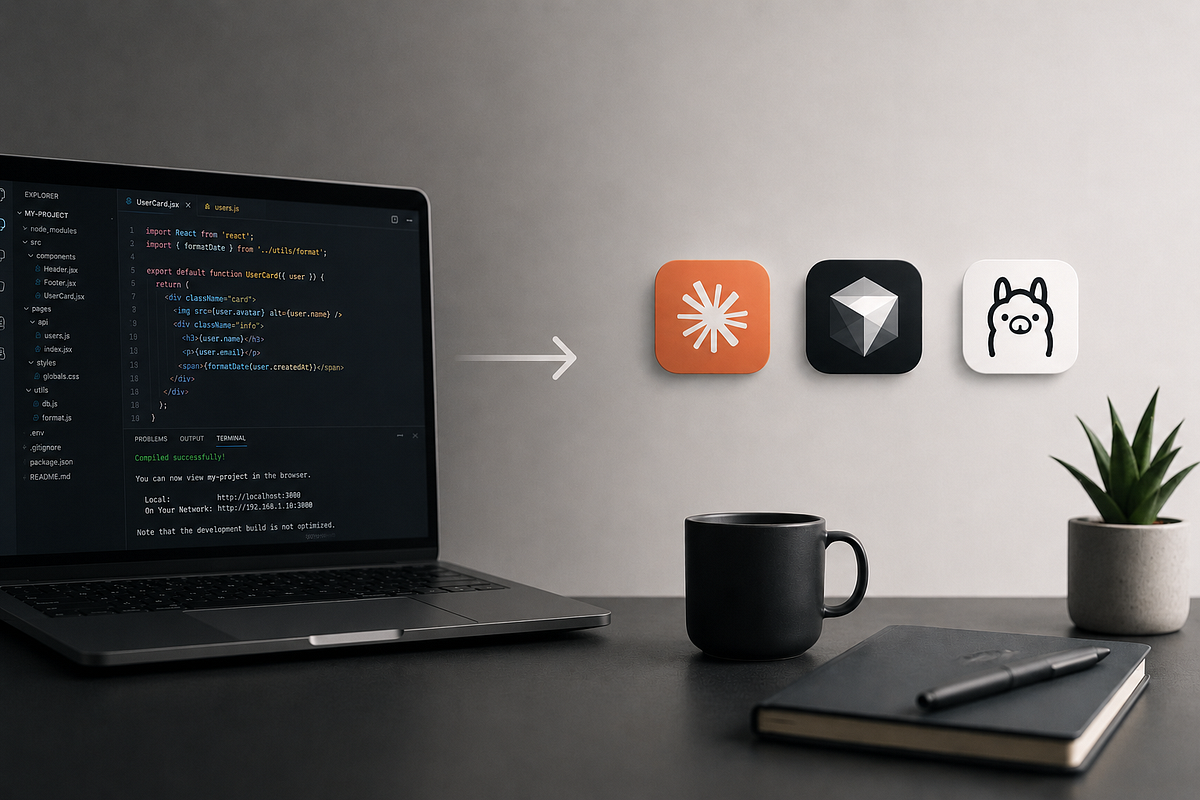
3. Modernizing DevOps: Rethinking the Automation Stack
The latest reports from LogRocket and Outright Systems show a major shake-up in 2026 DevOps tool rankings, highlighting that AI integration is becoming standard for CI/CD pipelines.
- Why it matters: There’s a rapid shift from traditional Jenkins/GitLab-centric setups to AI-driven automation. Staying on an old-school DevOps stack could become a major bottleneck.
- Companies/Projects: GitHub Actions, GitLab CI, Jenkins, Terraform, Kubernetes
- Action for devs: Audit your current CI/CD pipeline for manual tasks and find areas to automate. Test-drive AI-based deployment tools and benchmark them against your current setup.

4. Google Android 17 and Developer Platform Upgrades
Google is integrating Gemini Intelligence into Android 17 and giving dev productivity tools a massive boost. Updates to multitasking UI and better support for foldable devices mean dev priorities are shifting.
- Why it matters: Android devs need to refactor code to support new form factors and Gemini API integration. Keeping up with legacy Android target versions is becoming an expensive habit.
- Companies/Projects: Google, Android 17, Gemini Intelligence, Android Studio
- Action for devs: Dive into the Android 17 docs, build a roadmap to upgrade your targetSdkVersion, and start playing in the Gemini API sandbox.
5. Evolution of Software Engineering: AI Automation Reshaping Skills
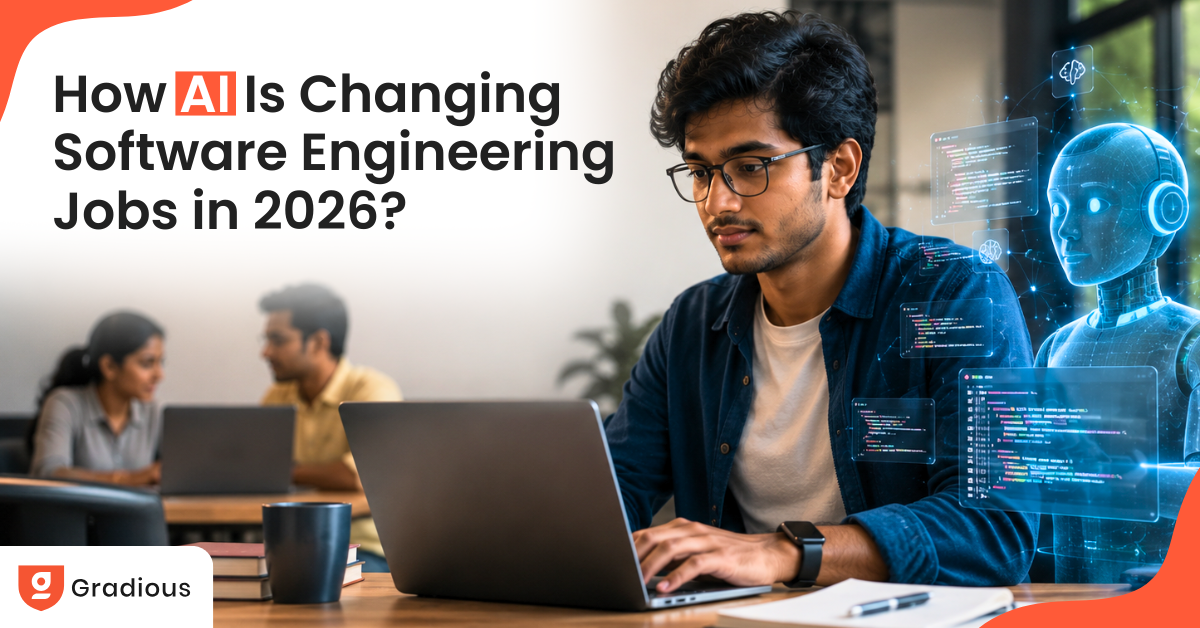
Reports from Gradious and DataField show that 2026 AI tech is fundamentally changing the structure of software engineering jobs. While entry-level barriers are lowering, advanced problem-solving skills are becoming more critical than ever.
- Why it matters: With automated code generation handling 99% of boilerplate work, demand is skyrocketing for expertise in architecture, refactoring, and performance tuning. Career paths are being redefined in real-time.
- Companies/Projects: AlixPartners, enterprise software teams
- Action for devs: Re-evaluate your stack through an "AI-assisted dev" lens. Focus on high-value work: designing conversational interfaces, migrating legacy systems, and fine-tuning performance.
Deep Analysis
3 Patterns defining this week's Top 5:
-
The "Era of Practicality" — AI and automation tools have moved past the PoC stage and are becoming mandatory in production. OpenAI's model sunset is a signal that tech adoption is no longer a choice—it's a requirement. The tool rankings and the "3 out of 12" report show companies are now in a serious phase of evaluation and optimization.
-
Accelerated Job Restructuring — Developer demand is steady or rising, but the skill set is morphing. Expect to see a polarization between automated commodity tasks (boilerplate code, simple bug fixes) and high-value architectural, performance, and security work.
-
Platform Ecosystem Shifts — From Google's Android 17 to OpenAI's integration and DevOps modernizations, we’re moving away from standalone tools toward AI-centric, integrated platforms. Dev teams aren't just asking "Which tool?" anymore—they're asking "Which ecosystem should we bet on?"
Things to Watch
-
AI Innovation in Automated Testing — A Nextage report notes that over 5 of the top 7 automated testing tools now offer AI-based QA as standard. Auto-generating test code and optimizing regression testing will be huge investment priorities for the second half of 2026.
-
Mistral AI launching a European Compute Platform — TechCrunch reports that Mistral is launching an Nvidia-based independent AI infrastructure in Europe this year, giving companies a real alternative to OpenAI dependency.
-
Indian Tech Giants Eye Enterprise Software — The $30M "Neo" project (an alternative to Microsoft Office) is expanding its beta for small businesses. Get ready for a major shake-up of established stacks.
This Week's Checklist
- [Urgent] Monitor OpenAI API usage: Activate logging for GPT-4.5 and o3 calls and lock in your migration timeline.
- [This Week] Kick off an ROI analysis of your team’s AI coding tools—quantify actual usage vs. costs.
- [In Progress] Read the Android 17 docs and review your app's targetSdkVersion upgrade plan.
- [Skill Building] Plan a program to strengthen your high-value engineering skills, like system design and performance tuning.
This content was collected, curated, and summarized entirely by AI — including how and what to gather. It may contain inaccuracies. Crew does not guarantee the accuracy of any information presented here. Always verify facts on your own before acting on them. Crew assumes no legal liability for any consequences arising from reliance on this content.
Powered by
