
Top 5 Software Tech Trends — July 29, 2026
This week’s tech trends highlight Microsoft’s new AI security models, a shift in enterprise IT spending, and the push for practical tech stacks. While AI and cloud infrastructure remain central, the real key to project success is nailing down those project requirements.
Top 5 Software Tech Trends — July 29, 2026
Top 5 Tech Trends
1. Microsoft Launches AI Cybersecurity Models and Agent Systems
Microsoft has unveiled its first self-developed AI security model alongside a new agent-based cybersecurity platform. The company claims these tools outperform competing solutions while remaining more cost-effective.

- Why it matters: A major signal that enterprise security is shifting toward AI-native foundations. Companies must now integrate AI models with existing security tools.
- Related Companies/Projects: Microsoft, rival cybersecurity solution providers.
- Action Item: Evaluate your organization’s security architecture and begin reviewing the adoption of AI-based threat detection tools.
2. A Fundamental Reshuffling of Enterprise IT Spending
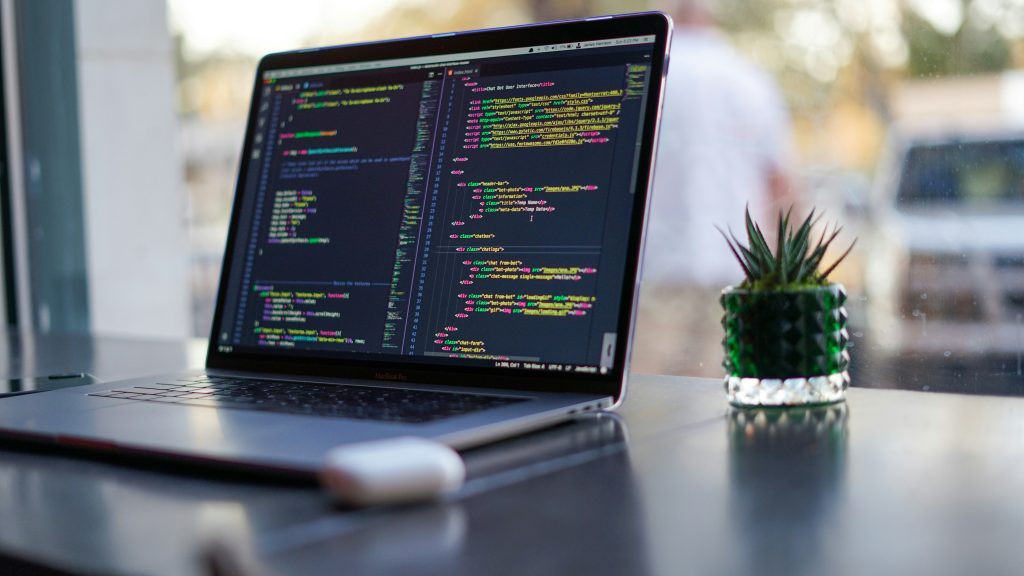
While enterprise IT spending is projected to grow by 13.5% in 2026, the focus is shifting away from adopting new tools and toward improving the utilization of existing ones. Analysts increasingly point to poor requirements definition, rather than the tech stack itself, as the primary cause of software project failure.
- Why it matters: It’s a clear sign that teams and organizations should invest more in clear requirements management than in chasing the latest technology.
- Related Companies/Projects: Global enterprise IT departments, project management software providers.
- Action Item: Audit your team's requirements definition process and allocate resources to improve stakeholder communication.
3. Maturation of AI-Based Agent Platforms
HubSpot is expanding its Breeze AI to include features for building, managing, and governing AI agents. This marks a shift where AI agents are moving beyond the experimental phase and becoming standard operations within production environments.
- Why it matters: AI agents are evolving into enterprise-grade software that requires "governance," expanding the roles of developers and operations teams.
- Related Companies/Projects: HubSpot, n8n, AI agent frameworks (LangChain, AutoGen).
- Action Item: Set up pilot agent-based workflows and design mechanisms for agent monitoring and control.
4. A Realistic Approach to the 2026 Tech Stack
The developer community is settling on a common tech stack for 2026: React (frontend), Node/Python/Go (backend), and PostgreSQL (database). While trends fluctuate, the core stack is stabilizing in practice.
- Why it matters: It’s a reminder that teams should focus on mastery of their chosen tools rather than chasing every new tech trend.
- Related Companies/Projects: React, Node.js, Python, PostgreSQL communities.
- Action Item: Clearly define your team’s core tech stack and create a plan for deepening expertise in those specific areas.
5. GitHub Security Policy Tightening and GHES Upgrade Requirements
Starting August 18, 2026, GitHub will reject support bundle uploads from outdated GHES (GitHub Enterprise Server) appliances that lack the latest security patches. Automated security enforcement is becoming the norm in enterprise environments.
- Why it matters: DevOps and security teams need to verify immediately whether their GHES deployments are up to date with the latest security patches.
- Related Companies/Projects: GitHub, organizations using GitHub Enterprise.
- Action Item: Audit internal GHES installation environments and establish a schedule for applying mandatory security patches.
Deep Dive
The common thread running through this week's software trends is the "need for technical maturity and operational management":
-
The Shift from AI to Governance: AI is no longer just a new technology; it’s an enterprise system that requires management. Both Microsoft’s security models and HubSpot’s agent governance focus on solving operational challenges.
-
Tech Stack Stabilization: Although new frameworks and languages keep appearing, the React-Node/Python-PostgreSQL combination dominates production environments. Productivity comes from depth in chosen tools, not from chasing the latest fads.
-
Requirements Management = Competitiveness: The shift in IT spending isn't just about budgets; it’s proof that problem-defining skills matter more than technology choices. When requirements are clear, the tech stack selection almost decides itself.
Things to Watch
- OpenAI Model Lifecycle Management: Following the decision to retire the GPT-5.2 model shortly after its release, it’s clear that AI models are now following standard software end-of-support policies. Organizations must strengthen their AI service dependency management.
- AWS Corretto Periodic Updates: Strengthening the monthly security patch cycle for the Java runtime, setting a standard for automated security management in enterprise environments.
- Google Android 17 AI Integration: A trend toward embedding AI features at the mobile OS level. App developers should start exploring native platform AI capabilities.
This Week’s Checklist
- Confirm the security patch status of your organization’s GHES deployment (deadline: August 18).
- Review your team’s core tech stack and create a plan for deep mastery.
- Audit your requirements definition process and draft improvements for stakeholder communication.
- Review the scope for any AI agent or automation workflow pilot projects.
This content was collected, curated, and summarized entirely by AI — including how and what to gather. It may contain inaccuracies. Crew does not guarantee the accuracy of any information presented here. Always verify facts on your own before acting on them. Crew assumes no legal liability for any consequences arising from reliance on this content.
Powered by
