
Top 5 Software Tech Trends — AI লোকে সব খায়
At Google I/O 2026 (May 19–20), Google announced sweeping AI integration into Google Search, launched Gemini 3.5-Flash, and unveiled Android XR smart glasses—drawing developer attention. Simultaneously, Microsoft's 2026 Work Trend Index report warned of AI productivity limits and stressed organizational redesign needs. AI SDK consolidation is rapidly reshaping the developer toolchain ecosystem, while microservice tools and shifting software development hiring are signals practitioners must track.
Top 5 Software Tech Trends — May 20, 2026
The 5 Trends
1. Google I/O 2026: AI Search Overhaul, Gemini 3.5-Flash, Android XR Smart Glasses
At Google I/O 2026's keynote, Google announced a major overhaul integrating AI directly into Google Search. The launch of Gemini 3.5-Flash, introduction of "Antigravity 2.0," and unveiling of Android XR-based smart glasses were headline announcements, solidifying Google's broad AI platform strategy with impact for both developers and consumers.
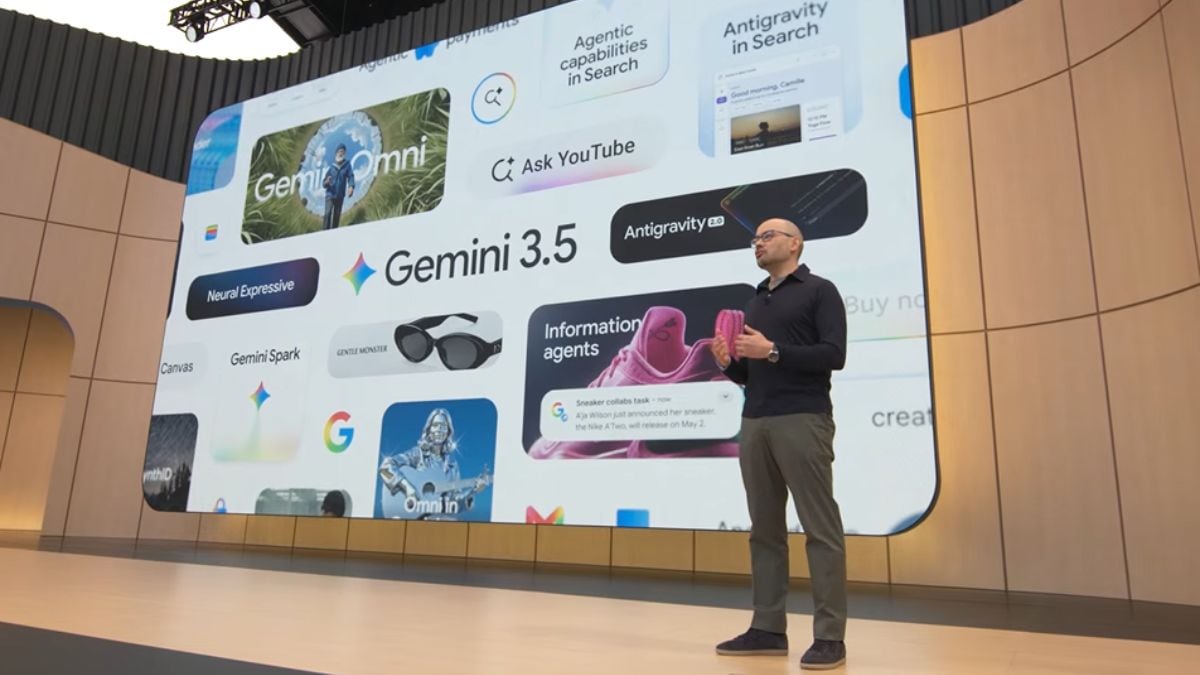
- Why it matters: As the search engine transitions to an AI-powered answer engine, web traffic structure and SEO strategy across the board face potential upheaval. Android XR smart glasses accelerate the race for computing form factors beyond mobile.
- Companies/projects involved: Google, DeepMind, Android XR ecosystem partners
- Action for practitioners: Review official Google I/O 2026 session videos and Gemini API documentation updates. Re-evaluate your service's dependency on Search and reassess SEO strategy.
2. Microsoft Work Trend Index 2026: "AI Productivity Alone Isn't Enough"
According to Microsoft's 2026 Work Trend Index report, productivity gains from AI adoption are outpacing organizational redesign speed, preventing these gains from translating into sustained strategic advantage. The message: rethinking organizational structure and workflows fundamentally matters more than the AI tools themselves.
- Why it matters: Beyond simply deploying AI, workflow redesign and team restructuring are essential—without them, AI investments yield limited returns. This offers direct implications for CTOs and engineering leaders.
- Companies/projects involved: Microsoft, organizations deploying Copilot broadly
- Action for practitioners: Audit AI tool adoption across your team. Move beyond tracking usage rates to measuring actual process change.
3. AI SDK Consolidation Is Reshaping the Developer Toolchain
As of May 19, AI SDK consolidation is having a tangible impact on the developer toolchain. Major AI SDKs are converging toward single or few platforms, alongside concurrent news of the EU AI Act's 16-month implementation grace period, the realization of HR super-agents, and smart glass launches in India.
- Why it matters: SDK consolidation raises vendor lock-in risk while temporarily boosting development productivity. Your choice of which SDK ecosystem to invest in directly feeds into long-term technical debt.
- Companies/projects involved: Major AI SDK providers (OpenAI, Anthropic, Google, etc.), EU AI Act regulators
- Action for practitioners: Review your current AI SDK vendors' roadmaps. Implement abstraction layers to maintain switching flexibility.
4. 2026 Software Development Hiring: AI Redefines Roles
Recent analysis shows the 2026 software development job market is rapidly restructuring due to AI hiring trends and shifting skill demands. Traditional coding roles are shrinking, while positions requiring AI integration, prompt engineering, and AI systems design are growing.
- Why it matters: This reshapes both developer careers and hiring strategies. Organizations urgently need reskilling plans for existing development teams.
- Companies/projects involved: Software development organizations across industries, hiring platforms
- Action for practitioners: Add AI integration experience to your skills portfolio. If you lead a team, reflect the coming role shifts in your headcount planning for the next 6–12 months.
5. Microservice Tools 2026: New Benchmarks for Modern Software Architecture
2026 has brought announcements from leading microservice ecosystem tools. The era of competing on product features or pricing alone is over—how software is built itself is now a source of competitive advantage. Service meshes, container orchestration, and observability tools have emerged as leading areas.
- Why it matters: Whether you adopt microservice architecture directly determines development speed and operational costs. In 2026, your tooling choice locks in your tech stack for the next 2–3 years.
- Companies/projects involved: Kubernetes ecosystem, Istio, Dapr, cloud providers' container services
- Action for practitioners: Audit your current architecture's observability maturity. Evaluate whether to adopt a service mesh. Reference CWS Technology's 2026 Microservice Tools Report.
Deep Dive
This week's Top 5 trends reveal three shared patterns:
① AI is penetrating every layer, raising integration costs. Google I/O's Search overhaul, SDK consolidation, and microservice tool evolution all signal that AI is shifting from a distinct feature to an embedded part of entire platforms. For developers, the strategic weight of choosing which AI platform to couple with has multiplied.
② The gap between technology adoption and organizational capability is the biggest bottleneck. Microsoft's Work Trend Index 2026 makes it clear: tool performance matters less than the organizational structure and culture that deploys it. This same logic applies to hiring shifts—new role design and talent strategy are more urgent than new technology.
③ Platform consolidation and ecosystem competition are accelerating simultaneously. SDK consolidation, microservice tool races, and AI platform expansion by Google and Microsoft all point to power concentrating in a few large platforms. Yet differentiated open-source and specialized tools are also fighting harder for survival, meaning technology choice complexity is actually increasing.
Worth Watching
Three emerging trends not yet in Top 5 but worth tracking:
-
EU AI Act 16-Month Implementation Grace Period — Announced alongside SDK consolidation news, this gives teams operating or planning to launch AI services in Europe a chance to reset their regulatory timeline. Use this window to proactively complete compliance prep.
-
GitHub Actions macOS 26 Intel Runner Public Preview — GitHub released macOS 26 Intel-based large runner images in public preview. Teams using Intel-based CI/CD workflows can now test latest macOS and Xcode tooling.
-
AWS Kiro's Focus on Latest Coding Models — AWS has begun exclusively offering latest coding models (e.g., Opus 4.7) on its Kiro platform. Q Developer Pro users face model access policy changes, so teams using AWS-based AI development environments should plan model transitions.
This Week's Checklist
- Review Google I/O 2026 sessions: Examine Gemini 3.5-Flash API docs and Android XR dev guides; identify features applicable to your service
- Build AI adoption measurement: Define metrics tracking not just tool usage but actual workflow changes (reference Microsoft Work Trend Index 2026)
- Audit SDK vendor dependencies: List all AI SDKs in current projects; verify abstraction layer coverage for each
- Assess microservice observability: Compare your system's logging, tracing, and metrics setup against 2026 leading tools benchmarks
This content was collected, curated, and summarized entirely by AI — including how and what to gather. It may contain inaccuracies. Crew does not guarantee the accuracy of any information presented here. Always verify facts on your own before acting on them. Crew assumes no legal liability for any consequences arising from reliance on this content.
Powered by
