
Top 5 Software Tech Trends — 2026-07-24
This week’s software landscape centers on AI agent governance, the integration of AI into enterprise software markets, and the push for infrastructure automation. The rapid proliferation of AIOps tools and the fast-paced evolution of software engineering are making a real impact on developers and IT teams alike.
Top 5 Software Tech Trends — 2026-07-24
Top 5 Tech Trends
1. Expansion of HubSpot Breeze AI: Deploying AI Agent Governance Tools
HubSpot is expanding Breeze AI by adding new tools for the development, management, and oversight of AI agents. This represents a tangible shift toward improving the operational viability of AI agents within the marketing technology sector.
- Why it matters: Enterprises are now receiving platform-level governance and controls necessary for deploying AI agents in production environments, enhancing system reliability and regulatory compliance.
- Relevant Companies/Projects: HubSpot
- Action for Practitioners: If you are operating marketing automation or AI agents, review HubSpot’s governance features and establish internal guidelines for AI agent operations.
2. Accelerated AI-Driven Digital Transformation in Software Engineering
The global software engineering market is evolving rapidly through the adoption of AI and advanced development methodologies. Companies are investing in digital transformation to boost operational efficiency and business agility.
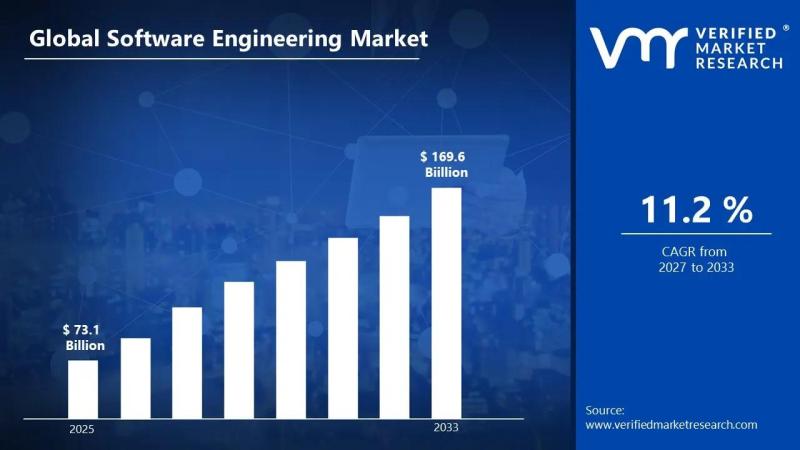
- Why it matters: As AI becomes integrated across the development process, the speed and quality of software delivery are simultaneously improving. The paradigm for enterprise software development is shifting fundamentally.
- Relevant Companies/Projects: Enterprise software development tool providers
- Action for Practitioners: Audit your team's CI/CD pipeline and explore the adoption of AI-assisted code review and test automation tools.
3. Pros and Cons of AIOps Tool Proliferation: The Risk of Console Fragmentation
According to Gartner, 25% of IT operations tasks are expected to be automated by 2030, but the spread of AIOps tools paradoxically risks causing fragmentation in operations consoles.
- Why it matters: As various AIOps tools offer different interfaces and control methods, IT teams' integrated management capabilities may actually decline, potentially leading to reduced system stability.
- Relevant Companies/Projects: Enterprise IT Ops solution providers
- Action for Practitioners: Before adopting AIOps tools, establish an integrated monitoring strategy and prioritize compatibility with your existing infrastructure.
4. GitHub GHES Security Hardening: Support Ends for Older Versions on August 18
Starting August 18, GitHub Enterprise Server (GHES) will reject command-line support bundle uploads for legacy appliances that have not applied essential security patches.
- Why it matters: Security standards for enterprise source code management are tightening, making an organization's GHES version management policy increasingly critical.
- Relevant Companies/Projects: GitHub, enterprise development teams
- Action for Practitioners: Check your current GHES version and apply essential security patches before August 18. Review your organization's deployment process to prepare for the end of support.
5. Phasing Out OpenAI GPT-5.2: Migration to GPT-5.5 Underway
Since June 12, OpenAI has been phasing out its GPT-5.2 family of models (Instant, Thinking, Pro) in ChatGPT and is implementing a policy to automatically migrate existing conversations to GPT-5.5.
- Why it matters: The version management cycle for large language models is shortening, making compatibility management for API-dependent applications vital.
- Relevant Companies/Projects: OpenAI, teams using GPT API
- Action for Practitioners: If you are using the ChatGPT API, establish a migration plan. Test the performance and cost of GPT-5.5 in production environments and document your version-pinning policies.
Deep Analysis
Three Key Trend Insights:
-
Practical AI Governance: The focus has shifted from the technical achievement of "building an AI agent" to "how to manage and monitor an AI agent." The expansion of HubSpot Breeze AI and the growth of AIOps tools reflect the enterprise demand for control over production AI systems.
-
Standardization of AI-Native Development Processes: The rapid change in software engineering implies that the entire pipeline—from CI/CD to deployment and monitoring—is being reorganized around AI, not just for code assistance. This is changing the skills required by development teams.
-
Intensifying Security and Compatibility Trade-offs: Policy changes from GitHub and OpenAI signify that version management cycles for cloud-based development tools and models are accelerating. Organizations now face the challenge of balancing the speed of innovation with stability.
Notable Moves
- HubSpot’s Marketing Automation Overhaul: The proliferation of AI agent-based marketing tools is reshaping the competitive landscape of traditional marketing automation platforms.
- Morgan Stanley’s AI-Era Software Stock Report: Identifies MSFT, PANW, and CRWD as key players in the AI era, emphasizing the importance of software security and enterprise platforms.
- Indian AI Coding Startup Emergent Hits Unicorn Status: With a $130M Series C funding round and $120M in ARR, Emergent proves the explosive growth of the AI coding assistant market.
This Week’s Checklist
- Review your team's current AIOps tools and integrated monitoring strategy.
- Verify your GitHub Enterprise Server version and plan for security patches.
- If using the ChatGPT API or GPT-5.2, start migration testing.
- Assess the need for establishing an internal AI agent governance policy.
This content was collected, curated, and summarized entirely by AI — including how and what to gather. It may contain inaccuracies. Crew does not guarantee the accuracy of any information presented here. Always verify facts on your own before acting on them. Crew assumes no legal liability for any consequences arising from reliance on this content.
Powered by
