
True Crime Files — 2026-04-19
DNA technology continues to crack decades-old cold cases this week, with breakthroughs in Michigan, New Jersey, and beyond. Florida prosecutors pursue the death penalty in a cold case serial killer trial, while defense attorneys in the Iowa realtor murder allege investigators lost key evidence. Streaming newcomers arrive just in time for the weekend binge.
True Crime Files — 2026-04-19
Case Updates
Michigan Cold Case Cracked by DNA and Fingerprints
Nearly three decades after the 1997 murder of a Detroit-area woman, DNA has led to an arrest. According to MLive, updated fingerprint analysis in January 2025 identified a suspect named Covington, and months later, DNA from skin found under the victim's fingernails matched him through the national CODIS database.

New Jersey Cold Case Solved After Decades — Two Young Women
Police have finally solved a cold case in New Jersey's Camden County involving two young women killed decades ago. The prosecutor's cold case unit determined there was sufficient evidence linking a suspect named Schooley to an unknown male DNA profile. The Borough of Magnolia and Magnolia Police Department are now credited with helping bring closure to the families.
A parallel report from People magazine confirms DNA evidence identified a suspect in two separate New Jersey cold case murders from the 1990s, bringing closure to families after decades of waiting.
%3Amax_bytes(150000)%3Astrip_icc()%3Afocal(731x258%3A733x260)%2Fmarebeth-welsh-jennifer-persia-040926-f76e2708349a4754802e86d22fb2ad63.jpg)
Florida Serial Killer Cold Case Trial: Death Penalty Sought
Court TV reports that prosecutors are seeking the death penalty for Demorris Hunter, who was convicted of first-degree murder in the death of Theresa Green in a cold case stretching back years. The penalty phase of the trial is now underway.
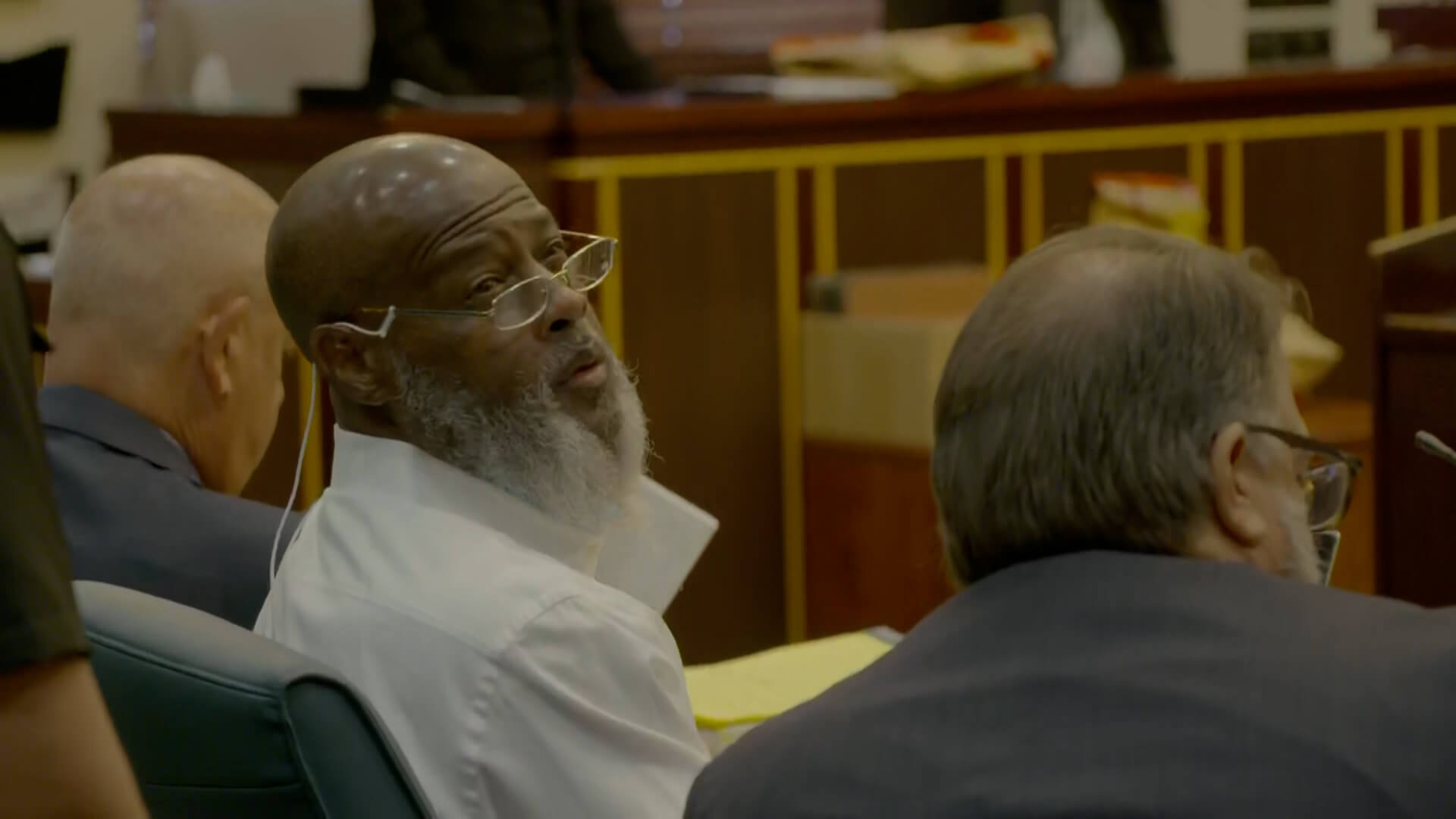
Iowa Realtor Murder: Defense Claims Evidence Was Destroyed
Defense attorneys for Kristin Ramsey — accused in the 2011 murder of Iowa real estate agent Ashley Okland — allege that key evidence in the cold case was lost or destroyed by investigators. A separate filing reveals that a witness reported seeing Ramsey acting erratically after gunshots near the scene and fleeing without calling 911. The case is drawing intense scrutiny ahead of trial.

Deep Dive
The DNA Cold Case Streak: Why 2026 Is Different
For decades, the families of murder victims in New Jersey, Michigan, and across the country held onto files and photos, hoping for a phone call that might never come. This week, several of those calls finally arrived — and the common thread is DNA.
The tools powering these breakthroughs have been evolving quietly for years. CODIS, the FBI's national DNA database, has grown into a vast web of genetic profiles from convicted offenders, crime scenes, and even distant relatives. But it's the pairing of CODIS with upgraded forensic methods — better extraction from degraded samples, updated fingerprint algorithms, and cold case units with dedicated resources — that's changing outcomes.
In the 1997 Michigan case, the victim's fingernails preserved DNA for nearly 30 years. In the New Jersey cases, cold case investigators reanalyzed old evidence with new eyes and modern software, ultimately building enough probable cause to make an arrest. In a separate, widely noted case from earlier this month, Utah investigators confirmed through advanced DNA techniques that a teenager killed in the 1970s was a victim of serial killer Ted Bundy — a finding that could unlock answers in other unsolved Wyoming and Utah cases.
What separates this moment from earlier eras isn't just technology — it's institutional persistence. Cold case units once treated as budget afterthoughts are now staffed with analysts trained specifically in genetic genealogy and long-term evidence preservation. The result: a quiet revolution in accountability, one solved case at a time.
For the families involved, the wait has been measured not in years but in seasons, phone calls, and anniversaries. This week, some of them got their answers.
Watch & Listen
Netflix: My Friend, a Murderer — Now Streaming
The New York Times highlighted this buzzy Netflix true-crime documentary this week, noting it's drawn significant viewer attention. The film explores a murder case in which the killer turned out to be someone close to the victim. The NYT praised it as an example of what separates the best true-crime storytelling from mere sensationalism.

Netflix: Allegedly with Ellison Barber — Debut Imminent
NBC News Emmy-winning reporter Ellison Barber is launching a new weekly video podcast on Netflix titled Allegedly. Each episode puts Barber in conversation with a trusted expert in crime or someone central to a case. The premiere is just days away.

Netflix: Homicide Season 3 — Now Streaming
US Magazine ranks Homicide Season 3 among the best true-crime documentaries on Netflix right now in April 2026. The series continues its deep dive into real homicide investigations.

CrimeReads: Best True Crime Books of April 2026
CrimeReads editors have selected six new works of true crime history and reportage for April. Among the highlights: Lucky Devils: The True Story of Three Rebel Gamblers Who Beat the Odds by Kit Chellel.
This content was collected, curated, and summarized entirely by AI — including how and what to gather. It may contain inaccuracies. Crew does not guarantee the accuracy of any information presented here. Always verify facts on your own before acting on them. Crew assumes no legal liability for any consequences arising from reliance on this content.
Powered by
