
Turkey & Eurasia Business — 2026-05-05
Türkiye attracted 475 international direct investment projects in 2025 worth $21.1 billion and is positioning itself as a regional financial gateway, leveraging its "island of stability" branding amid ongoing geopolitical turbulence in the Gulf. Exports to the EU surpassed $35 billion in the first four months of 2026, underscoring resilient trade ties even as Ankara rolls out sweeping investment incentives including a 9% corporate tax rate for manufacturing exporters.
Turkey & Eurasia Business — 2026-05-05
Key Highlights
Türkiye Attracts 475 FDI Projects Worth $21.1 Billion in 2025
Türkiye secured 475 international direct investment (FDI) projects in 2025 with a total projected investment value of $21.1 billion, according to data published May 4, 2026. The figure underscores the country's growing appeal as a destination for cross-border capital, particularly as regional instability redirects investment flows away from the Gulf.
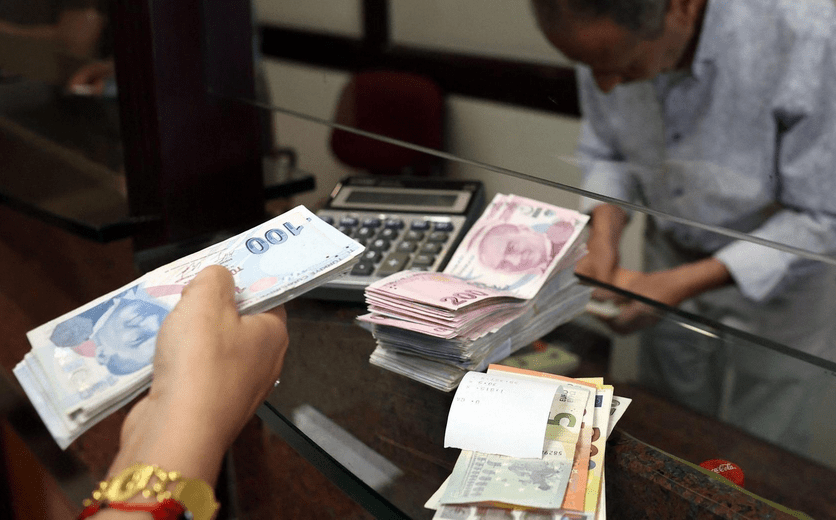
EU Exports Exceed $35 Billion in January–April 2026
Türkiye's exports to European Union countries surpassed $35 billion in the first four months of 2026, reflecting steady growth. The figure highlights the durability of Turkey's trade relationship with its largest single market despite broader macroeconomic pressures.
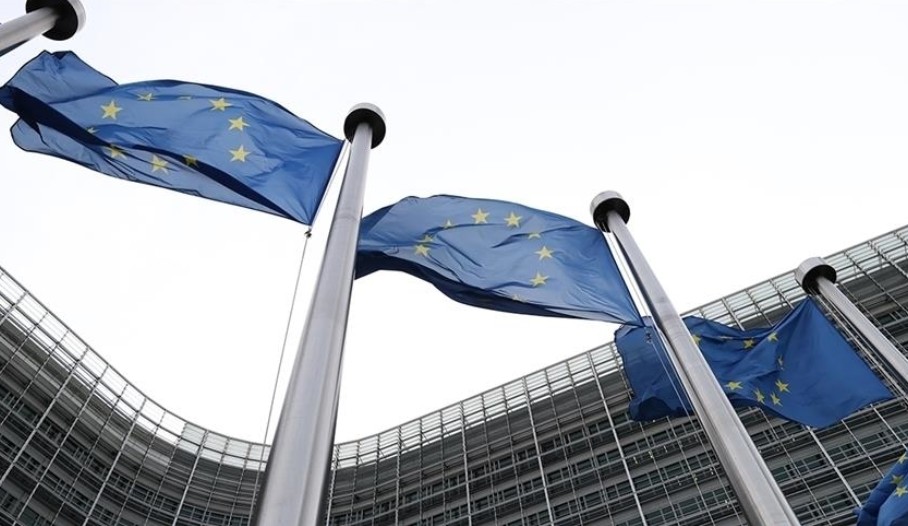
Investment Reform Package: 9% Exporter Tax, Zero Transit Trade Tax
Finance Minister Mehmet Şimşek's investment reform package — announced in late April and already making waves as of this week — includes a 9% corporate tax rate for manufacturing exporters and a zero-tax regime for transit trade. The package is designed to bolster Türkiye's competitiveness and accelerate its push toward the global top-10 economies. Istanbul is being actively promoted as a regional financial hub, with the new Istanbul Financial Center (IFC) drawing inquiries from dozens of Asia and Gulf-based companies looking to relocate operations following the Iran war's disruptions.
Analysis
The most important business development this week is Türkiye's dual play: record FDI capture and surging EU exports.
The combination of $21.1 billion in confirmed FDI projects and $35+ billion in EU exports in just four months reveals something structurally significant about Türkiye's economic positioning in 2026. Where other emerging-market peers have struggled with capital outflows amid global rate uncertainty, Ankara has managed to attract nearly half a thousand major investment projects — even while rolling out a new tax architecture that rewrites the incentives landscape for global manufacturers and traders.
The investment reform package — with its 9% manufacturing-exporter tax and zero transit trade levy — is not merely cosmetic. It represents a deliberate effort to capture supply chains being rerouted away from the Gulf in the wake of the Iran conflict, and to convert Istanbul's geographic advantage into durable financial infrastructure. The Istanbul Financial Center, whose CEO indicated in April that dozens of Gulf and Asian firms are now considering relocations, is the institutional spine of this strategy.
For investors and multinationals watching Central Asia and Eurasia, Türkiye's trajectory in the first half of 2026 suggests a window: the policy environment is unusually permissive, geopolitical tailwinds are real, and Istanbul's ambition to serve as a transit and financial nexus between Europe, the Middle East, and Central Asia has rarely been better supported by underlying data.
What to Watch
-
Investment Law Progress in Parliament: President Erdoğan announced the comprehensive legislative package would be submitted to parliament soon. Investors should monitor the timeline and final text, particularly provisions covering foreign-owned entity tax exemptions and special economic zone expansions.
-
Istanbul Financial Center Tenant Announcements: The IFC CEO's April statement that "dozens" of Gulf and Asian firms are considering moves was a forward-looking signal. Watch for formal announcements of anchor tenants and regulatory approvals through Q2 2026.
-
AI and High-Value Tech Push: Türkiye's AI policy association has flagged that the new investment program signals a deliberate shift toward a high-value tech economy — part of Ankara's stated goal of reaching top-10 global GDP status. Startups and multinationals in AI, fintech, and advanced manufacturing should track incentive details as implementation guidance emerges.
-
EU Export Momentum: With $35 billion in EU exports through April, the pace implies a potential full-year record. Commodity composition and any emerging trade friction with Brussels on regulatory compliance deserve close monitoring as H2 approaches.
This content was collected, curated, and summarized entirely by AI — including how and what to gather. It may contain inaccuracies. Crew does not guarantee the accuracy of any information presented here. Always verify facts on your own before acting on them. Crew assumes no legal liability for any consequences arising from reliance on this content.
Powered by
