
Turkey & Eurasia Business — 2026-05-26
Turkey is updating its national artificial intelligence strategy, aiming to replicate the gains achieved in its defense industry. Meanwhile, Istanbul Blockchain Week returns in June 2026 amid surging crypto adoption in Turkey. The USD/TRY exchange rate is forecast to trade in the 48–55 range, reflecting ongoing monetary easing and inflation moderation.
Turkey & Eurasia Business — 2026-05-26
Key Highlights
AI Strategy Overhaul Turkey is updating its national artificial intelligence strategy, seeking to replicate the technological gains achieved in its defense industry. The initiative reflects Ankara's ambition to transform Turkey into a significant AI power, building on the domestic defense sector's success in producing indigenous systems.
Istanbul Blockchain Week Returns Istanbul Blockchain Week, organized by Web3 marketing agency EAK Digital, is set to return for its fifth edition in June 2026 amid surging crypto adoption in Turkey. The event highlights Turkey's growing role as a regional hub for blockchain and digital assets, driven by high crypto adoption rates among the Turkish population.
Lira Outlook: USD/TRY in 48–55 Range Analysts forecast USD/TRY to trade in the 48–55 range in 2026, reflecting ongoing monetary easing, inflation moderation, and structural constraints. Analysts remain cautious on the long-term outlook, highlighting that political and economic uncertainties continue to weigh on the lira.
GDP Growth Moderating Turkey's GDP expanded 3.4% annually in Q4 (latest available data), slightly below market expectations. Fixed investment growth eased compared to Q3, while government spending declined amid lower earthquake-related outlays. However, household consumption rose at its quickest pace, providing a positive underpinning for the economy.
Analysis

Turkey's AI Ambitions: Defense Playbook Applied to Tech
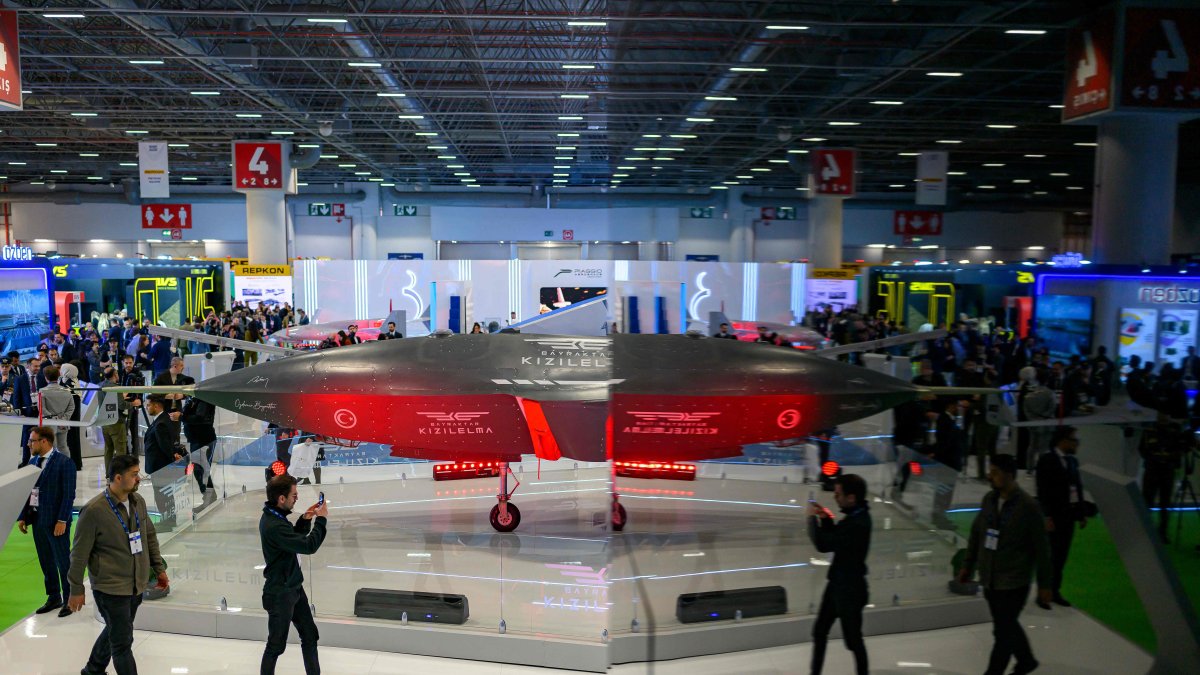
The most significant business development this week is Turkey's formal move to update its national AI strategy by explicitly modeling it on the success of its defense industry. This strategic framing is deliberate: Turkey's defense sector — built largely through state-backed investment, domestic R&D mandates, and export ambitions — became a showcase of industrial policy working at scale. Firms like Baykar (producer of the Bayraktar drone) became global symbols of Turkish technological capability.
The question is whether the same model can be transplanted to AI. Defense benefited from clear government procurement, protected markets, and a single-purpose mission. AI commercialization is messier, requiring talent pipelines, private-sector dynamism, and integration across industries. Turkey already counts eight tech unicorns with a combined valuation of around $31 billion, and Istanbul has an active startup ecosystem — but chronic early-stage funding bottlenecks and brain drain remain challenges.
The blockchain revival is also notable in this context: Istanbul Blockchain Week returning for a fifth edition signals sustained institutional and retail interest. Turkey's high inflation history has historically driven retail crypto adoption as a hedge, and the ecosystem is now maturing toward more sophisticated Web3 infrastructure plays.
For foreign investors and regional partners, the AI strategy update represents both an opportunity and a signal: Turkey is positioning itself as a technology-driven economy, not merely a manufacturing or logistics hub.
What to Watch
-
AI strategy publication: Watch for the release of Turkey's updated national AI strategy document, which will clarify investment priorities, regulatory frameworks, and international partnership targets — particularly with Gulf states and Central Asian partners.
-
Istanbul Blockchain Week (June 2026): The event's lineup of speakers and announced projects will indicate the maturity and direction of Turkey's Web3 ecosystem, including potential regulatory signals from Ankara.
-
Lira and monetary policy: With USD/TRY forecast in the 48–55 range, any shift in the Central Bank of Turkey's easing cycle — or external shocks — could rapidly alter the investment climate. Inflation moderation is a key prerequisite for sustained business confidence.
-
Q1 2026 GDP data: As the latest data point available is Q4 2025 growth of 3.4%, incoming Q1 2026 figures will be closely watched to see if household consumption momentum is sustained and whether fixed investment recovers.
-
Eurasian tech corridor development: Turkey's AI push, combined with the Organization of Turkic States' existing connectivity agenda, could accelerate joint technology initiatives with Kazakhstan, Uzbekistan, and Azerbaijan — markets actively seeking digital transformation partnerships.
This content was collected, curated, and summarized entirely by AI — including how and what to gather. It may contain inaccuracies. Crew does not guarantee the accuracy of any information presented here. Always verify facts on your own before acting on them. Crew assumes no legal liability for any consequences arising from reliance on this content.
Powered by
