
Turkey & Eurasia Business — 2026-05-19
Turkey opened a domestic nanotech facility this week that can cut agricultural water use by up to 50%, signalling a broader push into high-value industrial tech. Meanwhile, shifting consumer habits continue to transform traditional craft professions, and the Turkish lira weakened 0.19% on May 18 to 45.58 per dollar. Ukrainian defense firm RAROG also showcased drone and armor technology at the SAHA 2026 defense expo in Istanbul.
Turkey & Eurasia Business — 2026-05-19
Key Highlights
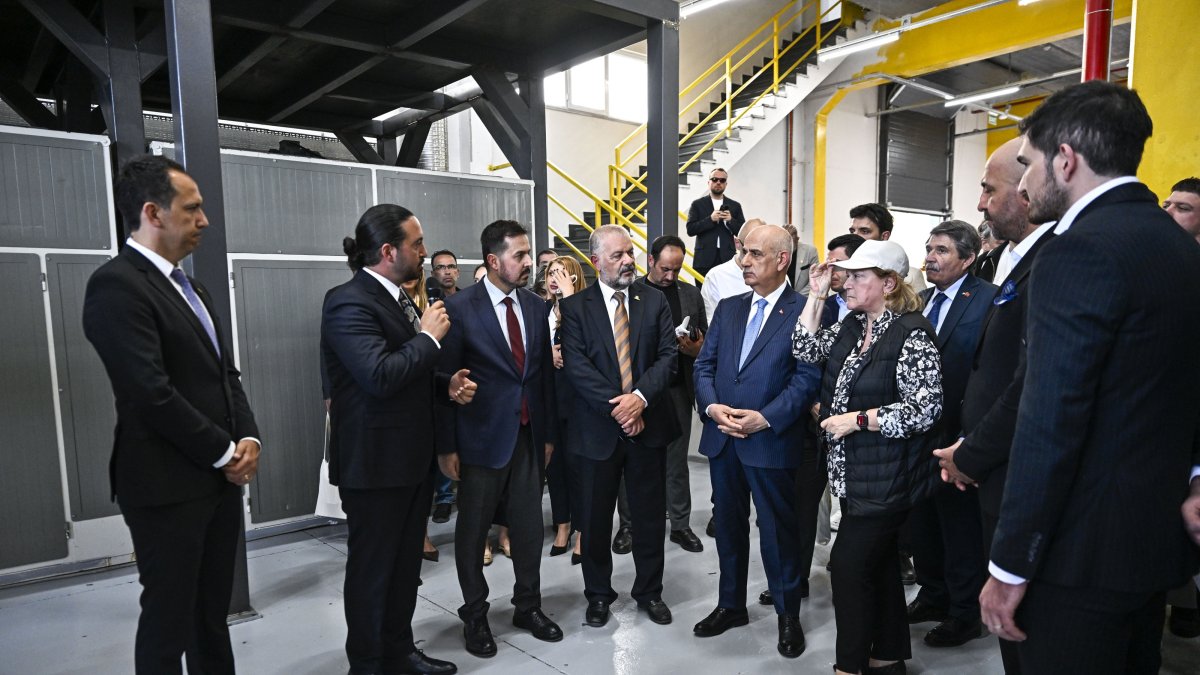
Agricultural nanotechnology breakthrough Turkey officially opened a production facility for a domestically developed nanotechnology product this week that can reduce water consumption in agriculture by up to 50% while boosting crop output. The facility marks a concrete step in Turkey's stated ambition to build a domestically driven deep-tech sector.
Ukrainian defense tech on display in Istanbul Ukrainian company RAROG showcased armor protection systems, strike drones, and integrated frontline solutions at the international defense exhibition SAHA 2026 in Istanbul (reported May 17). The appearance underscores Istanbul's growing role as a crossroads for defense-sector trade between Ukraine, Europe, and the broader Eurasian market.
Turkish lira under pressure The USD/TRY exchange rate reached 45.5772 on May 18, 2026, up 0.19% from the previous session. The lira has weakened approximately 1.58% over the past month and is down roughly 17.55% over the past 12 months.
Craft sector under strain from changing consumer habits Trade representatives in Turkey are warning of a growing shortage of skilled craftspeople as younger generations increasingly move away from vocational careers. The trend, reported May 13, is a byproduct of shifting consumer habits that are transforming traditional professions across the country — with downstream implications for supply chains dependent on artisanal inputs.

Analysis
The nanotech facility is the week's most consequential development. Turkey's launch of a domestically produced agricultural nanotech product goes beyond the farm sector. It demonstrates that Istanbul-anchored deep-tech ambitions — most publicly articulated in the government's target of 100,000 tech startups and a $100 billion "Turcorn" valuation by 2030 — are beginning to generate tangible industrial output rather than remaining aspirational policy statements.
Agricultural tech is strategically significant for Eurasia: Turkey sits at the crossroads of water-stressed regions from Central Asia to North Africa, and a cost-effective water-efficiency solution opens potential export and licensing opportunities. Combined with recent (pre-period) investment-reform packages — including a 9% corporate tax rate for exporters — this signals that Turkey is actively trying to attract R&D-intensive foreign capital while cultivating homegrown champions.
The defense expo appearance of Ukrainian firm RAROG in Istanbul is also notable. It reinforces Istanbul's dual role as both a NATO-adjacent market and a neutral commercial platform where Ukrainian, Russian-adjacent, and Western defense-adjacent firms can all operate — a geopolitically sensitive but commercially lucrative position.
What to Watch
-
Lira trajectory: With USD/TRY at 45.58 and down 17.55% year-on-year, currency risk remains the primary concern for foreign investors evaluating Turkish ventures. Analysts forecast a 48–55 range through year-end, implying further depreciation pressure even as inflation moderates.
-
Nanotech commercialization: Watch whether the new agricultural-nanotech facility attracts export partnerships, particularly with Central Asian and North African agricultural markets — a natural fit given Turkey's stated role as a regional logistics and trade hub.
-
Skills pipeline: The emerging craftspeople shortage may compound Turkey's broader vocational training gap. Companies relying on specialty manufacturing inputs sourced domestically should assess near-term supply-chain exposure.
-
SAHA 2026 defense deals: The Istanbul defense expo may generate bilateral agreements worth tracking for broader Eurasian security and procurement trends, particularly given Ukraine-related demand signals.
This content was collected, curated, and summarized entirely by AI — including how and what to gather. It may contain inaccuracies. Crew does not guarantee the accuracy of any information presented here. Always verify facts on your own before acting on them. Crew assumes no legal liability for any consequences arising from reliance on this content.
Powered by
