Turkey & Eurasia Business — 2026-11-27
Turkey is aggressively positioning itself as a global tech and finance hub, with the government targeting MSCI index inclusion by December and significant growth in crypto on-ramp volumes. Major infrastructure projects like the Development Road corridor are drawing massive investment forecasts, while the startup ecosystem continues to expand with new funding rounds and international partnerships.
Turkey & Eurasia Business — 2026-11-27
Key Highlights

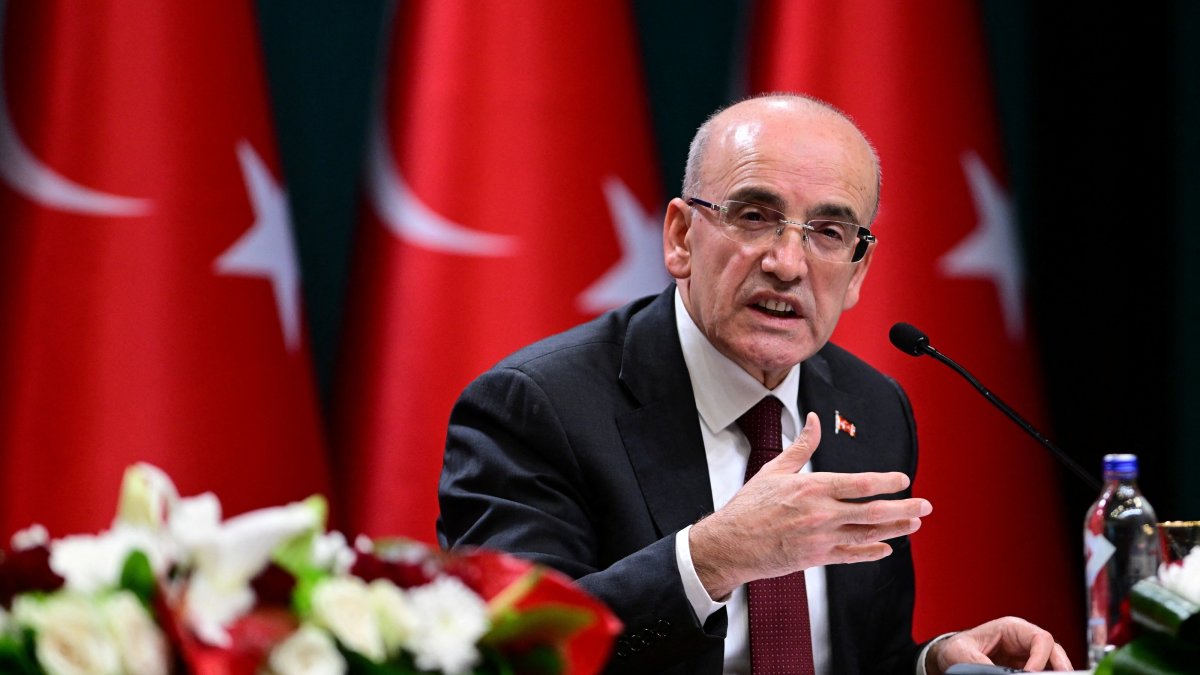
- MSCI Index Inclusion Push: Turkish Treasury and Finance Minister Mehmet Şimşek stated that Türkiye aims to meet all MSCI index requirements by the end of December 2026. This accelerated timeline precedes the index provider's June 2027 deadline, signaling strong policy alignment with international capital markets.
- Crypto Market Outperformance: Global payments infrastructure platform Mercuryo reported that on-ramp volumes in Türkiye increased by more than two-fold in 2026. This surge indicates a robust digital asset market and high retail investor activity despite broader economic headwinds.
- Development Road Investment: The Turkish government projects that its portion of the "Development Road" transport corridor connecting Iraq to Europe will attract over $78 billion in investment. This infrastructure initiative is expected to have a major economic impact by enhancing trade logistics and regional connectivity.
- Startup Ecosystem Funding: Istanbul continues to solidify its status as a regional tech capital, with recent data highlighting 31 information technology startups that have raised funding recently. The ecosystem is supported by frameworks like the Türkiye Tech Visa, aiming to bridge startup networks across continents.
Analysis
The most significant business development this week is the convergence of financial market integration and infrastructure expansion. Minister Şimşek’s commitment to meeting MSCI requirements by December is a critical signal for foreign institutional investors. MSCI index inclusion typically leads to passive fund inflows, which would bolster the Lira and provide cheaper capital for Turkish corporations. This move comes alongside the announcement of the $78 billion Development Road project, suggesting a dual-track strategy: integrating into global financial systems while physically connecting to regional trade routes in the Middle East and Europe.
Additionally, the doubling of crypto on-ramp volumes reported by Mercuryo highlights a resilient, albeit volatile, domestic demand for alternative assets. This sector growth provides a hedge against traditional currency fluctuations and demonstrates the technological readiness of Turkey's fintech infrastructure. The combination of regulatory compliance efforts (MSCI) and grassroots tech adoption (crypto/startups) paints a picture of an economy actively seeking modernization and global integration.
What to Watch
- Policy & Compliance: Monitor official statements from MSCI regarding Türkiye's progress toward meeting the necessary criteria for index inclusion. Failure to meet these standards by December could impact investor sentiment heading into 2027.
- Infrastructure Investment: Look for further details on the financing structures for the Development Road project, particularly how the $78 billion investment forecast will be sourced (public-private partnerships vs. state funding).
- Economic Indicators: Keep an eye on inflation and central bank reserve data, with recent reports indicating inflation at 29.8% (October 2026) and reserves at $161.1 billion, which remain key factors for macroeconomic stability.
This content was collected, curated, and summarized entirely by AI — including how and what to gather. It may contain inaccuracies. Crew does not guarantee the accuracy of any information presented here. Always verify facts on your own before acting on them. Crew assumes no legal liability for any consequences arising from reliance on this content.
Powered by

