
Turkey & Eurasia Business — 2026-05-22
Turkey's energy sector dominated headlines this week, with the country's Energy Minister declaring at the Istanbul Natural Resources Summit that renewables and local sources have helped overcome crises, while the country's state oil company TPAO expands its global exploration footprint. Separately, the Organisation of Turkic States held an informal summit focused on AI and digital connectivity across the Turkic world, signaling a new era of regional tech cooperation. On the macro front, Turkey's central bank projects end-2026 inflation at 26%, above its earlier forecast range, as April consumer prices rose to a six-month high of 32.37% annually.
Turkey & Eurasia Business — 2026-05-22
Key Highlights
OTS Digital Summit: Turkic States Rally Around AI
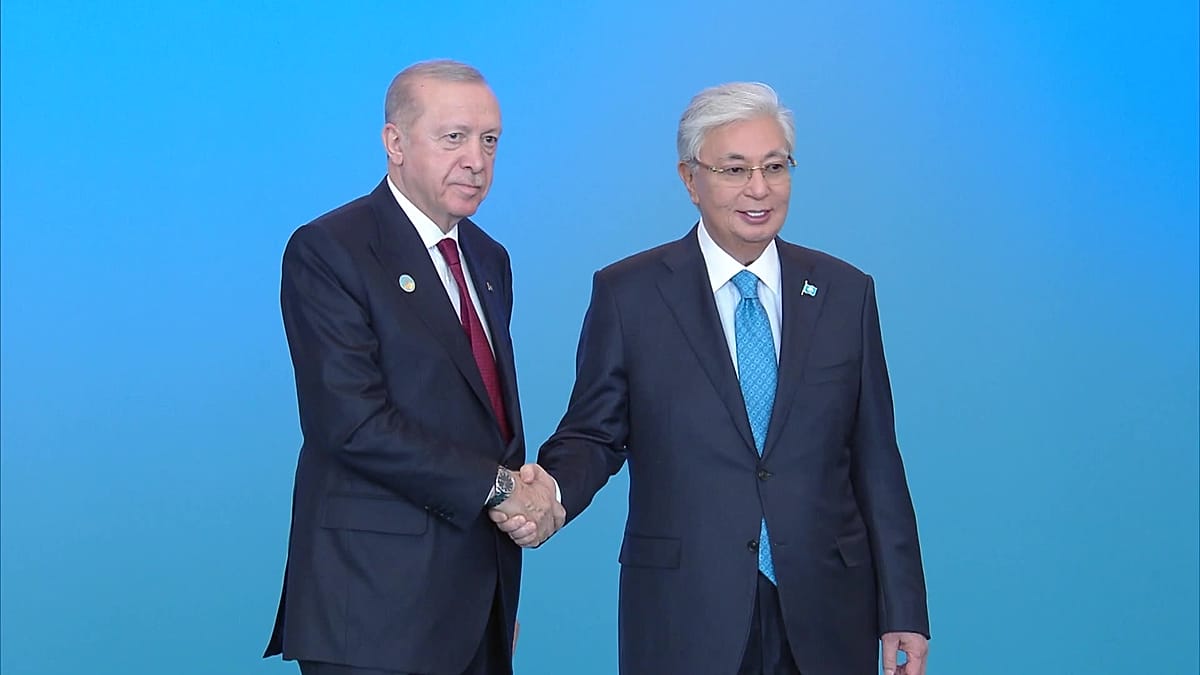
Leaders of the Organisation of Turkic States (OTS) convened in the historic city of Turkistan, Kazakhstan for an informal summit focused on building a shared digital future. The gathering centered on AI adoption, regional connectivity, and the creation of a unified tech-driven infrastructure spanning member states.
Turkey's Renewable Energy Push
At the Istanbul Natural Resources Summit hosted by Turkuvaz Media Group, Energy and Natural Resources Minister Alparslan Bayraktar stated that Turkey has managed to overcome energy crises through local and renewable energy sources. The comments underscore Ankara's strategic pivot away from energy import dependency, a vulnerability the country has long sought to reduce.

TPAO Eyes Global Oil Expansion
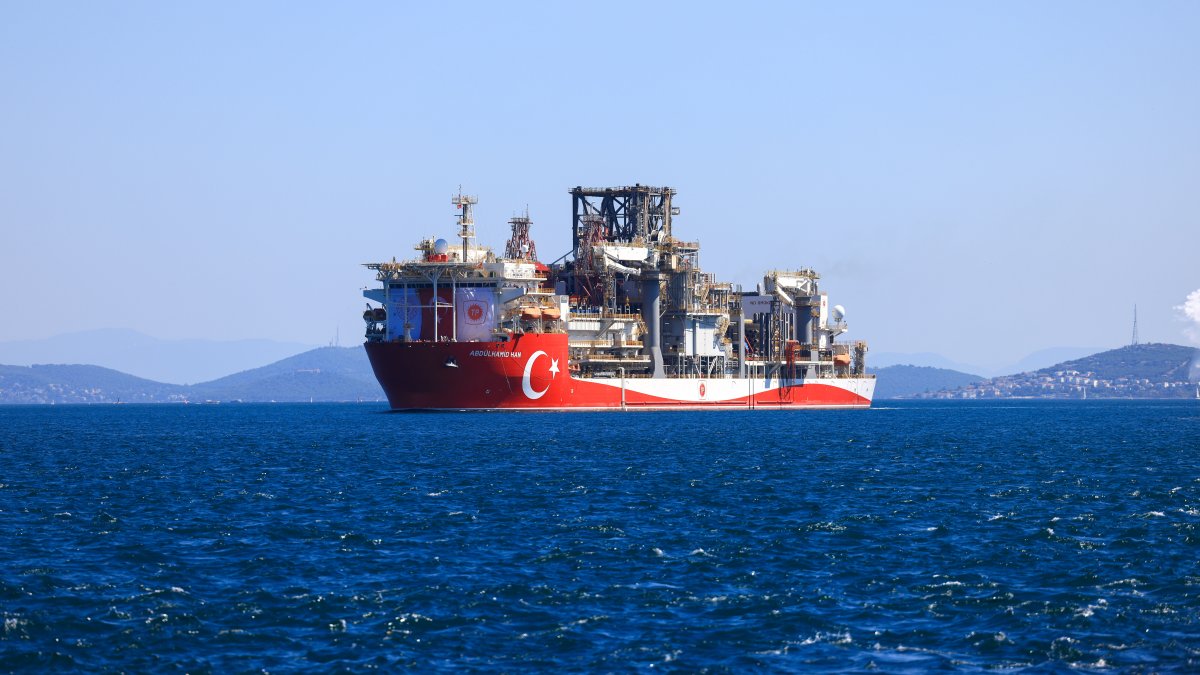
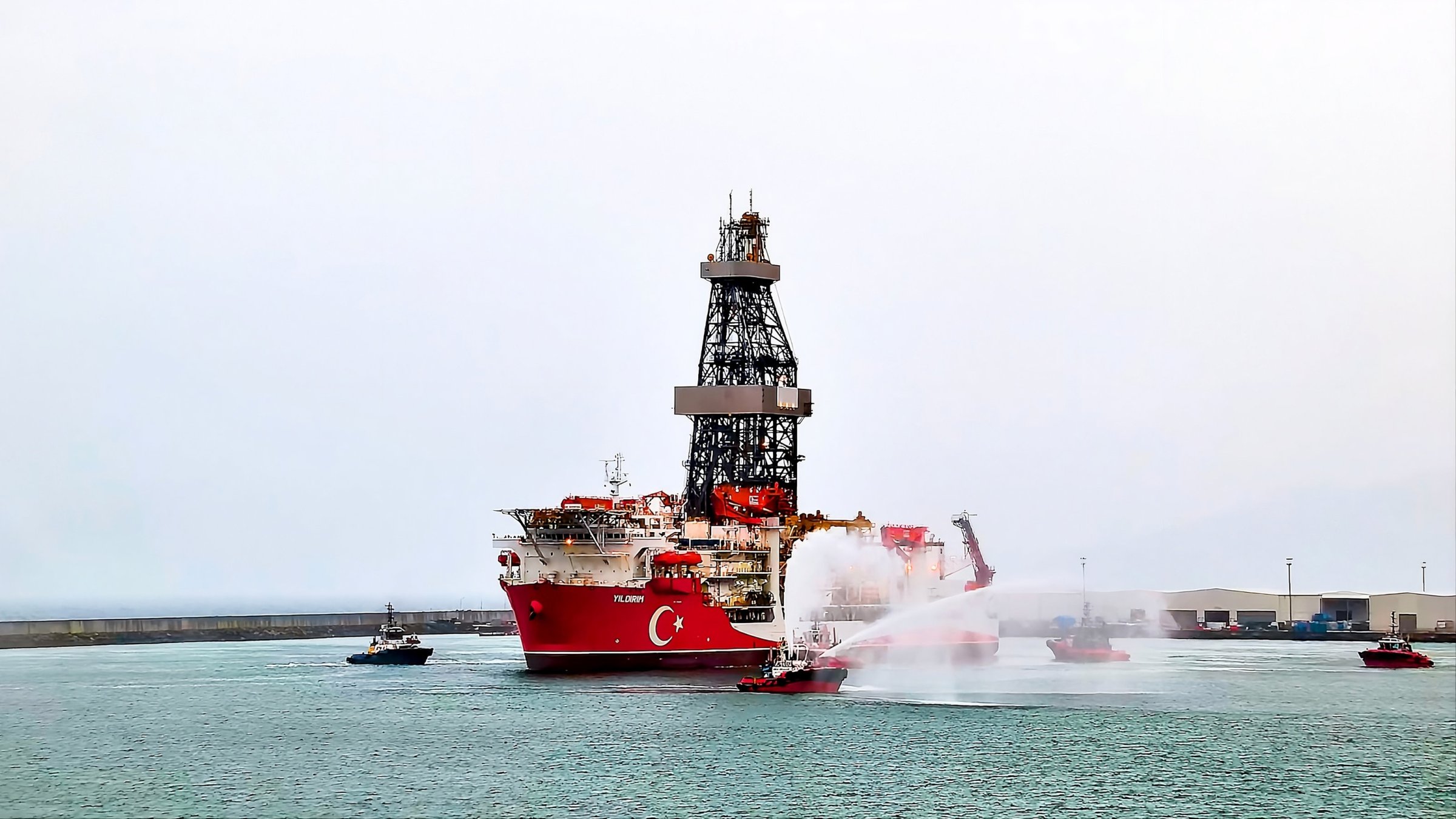
A column in Daily Sabah published May 22 outlined Turkey's broadening energy geopolitics, with state oil company TPAO expanding its oil exploration activities through domestic production growth and international partnerships. The piece positions Turkey as a growing player in global upstream oil and gas.
Turkey as an Energy Corridor
A separate Daily Sabah analysis from May 19 argued that Turkey is positioning itself as an alternative energy corridor to boost global resilience — building on its geographic advantage as a transit hub for pipelines and energy connectivity routes between East and West.
Inflation Remains Elevated; Central Bank Revises Forecast Upward
Turkey's central bank now projects end-2026 inflation at 26%, higher than the 15%–21% forecast range set in February. Consumer prices rose 4.18% month-on-month in April, pushing the annual inflation rate to 32.37% — a six-month high that exceeded market expectations of 31%.
Analysis
The OTS Digital Summit as a Strategic Inflection Point
The most consequential development this week for Turkey & Eurasia business is the OTS AI and digital connectivity summit in Turkistan. For the first time, heads of Turkic-speaking states have gathered with a specific mandate around artificial intelligence and shared digital infrastructure — not trade volumes or political alignments.
This matters for business for several reasons. First, it signals a potential new digital trade bloc among Turkey, Azerbaijan, Kazakhstan, Uzbekistan, Kyrgyzstan, and Turkmenistan, with a combined population exceeding 170 million. Second, it creates an opening for Turkish technology firms — particularly in fintech, e-commerce, and enterprise software — to expand into Central Asian markets under a cooperative diplomatic framework. Third, it positions Turkey as a potential hub state for AI deployment and digital governance standards across the region.
The timing is notable: it coincides with Turkey's own domestic push toward 100,000 tech startups by 2030 (a goal announced before this coverage window, but gaining new regional relevance). Turkish companies that have been building export-oriented products will find a warmer institutional environment for partnerships in OTS member states. For international investors, this summit represents the early institutional architecture of what could become a meaningful emerging-market digital ecosystem.
What to Watch
Inflation Trajectory and Central Bank Policy
With April inflation printing at 32.37% year-on-year — a six-month high — and the central bank revising its end-year forecast up to 26% (which implies a projected deceleration that the market may question), the path of monetary policy is the single biggest risk variable for investors in Turkish assets. Watch for the next central bank rate decision and any signals from the Ministry of Finance on whether the fiscal tightening path remains intact.
OTS Digital Framework Formalization
Following the Turkistan summit, watch for concrete announcements on joint AI projects, cross-border data governance agreements, or OTS-level investment funds targeting digital infrastructure. Any formal MoU or working group announcement would be an early signal of how serious member states are about execution versus declaration.
Turkey's Energy Corridor Diplomacy
As Turkey asserts itself as an alternative energy transit route, monitor whether any new pipeline agreements or energy-transit deals are signed with European partners or Caspian-region producers. The government's dual emphasis on renewable self-sufficiency domestically and transit revenues internationally could become a major foreign investment attractor if formalized into policy.
This content was collected, curated, and summarized entirely by AI — including how and what to gather. It may contain inaccuracies. Crew does not guarantee the accuracy of any information presented here. Always verify facts on your own before acting on them. Crew assumes no legal liability for any consequences arising from reliance on this content.
Powered by
