
Turkey & Eurasia Business — 2026-06-02
Turkey's economy expanded 2.5% year-on-year in Q1 2026, down from prior quarters, as exports fell 12.7% amid regional tensions. Manufacturing PMI reached its highest level since March 2024, signaling stabilization. The lira has depreciated 14.81% against the dollar over the past year, while inflation pressures persist with projections now at 26% for end-2026.
Turkey & Eurasia Business — 2026-06-02
Key Highlights

Economic Growth Moderates in First Quarter
Turkey's economy grew 2.5% year-on-year in Q1 2026, official data released on June 1 showed, marking a slowdown from previous quarters. The expansion fell below expectations as exports tumbled 12.7% and industrial output contracted, reflecting headwinds from regional geopolitical tensions including the Iran war.
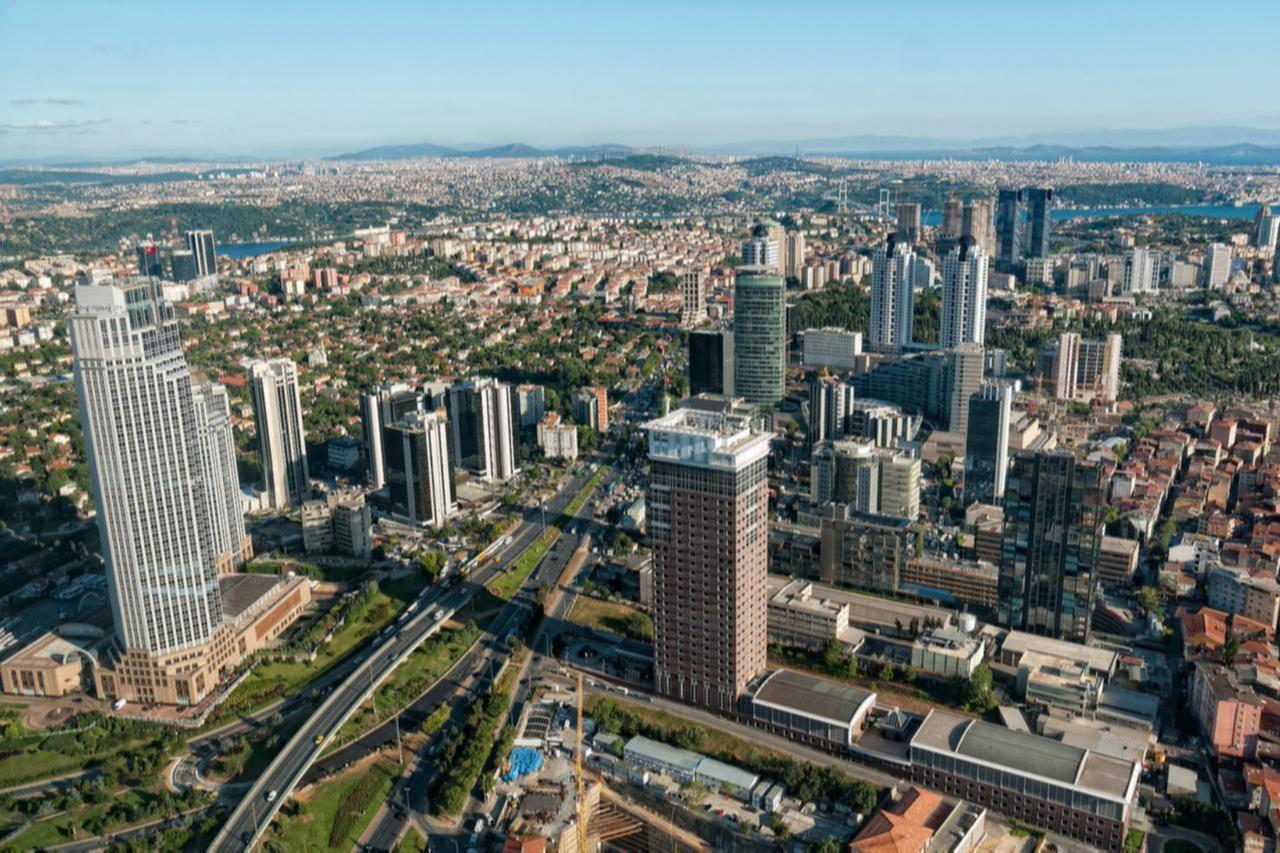
Manufacturing Shows Stabilization Signs
Turkey's manufacturing sector posted encouraging data, with the Purchasing Managers' Index (PMI) reaching its highest level since March 2024, indicating a near-stabilization of economic activity.
Currency Weakness and Inflation Persist
The Turkish Lira has depreciated 14.81% against the US dollar between May 2025 and May 2026, with the dollar appreciating 17.39% in relative terms. Inflation remains elevated at 32.37% year-on-year as of April 2026—a six-month high—and policymakers now project end-2026 inflation at 26%, above earlier forecasts of 15–21%.
Analysis
The most significant business development this week is the sharp deceleration in Turkey's economic growth combined with stubbornly high inflation. The 2.5% expansion in Q1 2026 reflects a sharp export slowdown, which directly impacts Turkey's trade-dependent manufacturing sector. While the manufacturing PMI recovery is welcome news, it must be weighed against the 12.7% export decline—a warning sign for businesses relying on international demand. The currency depreciation adds another layer of complexity: while it may benefit exporters by making Turkish goods cheaper abroad, it increases input costs for companies importing raw materials and equipment. With inflation now tracking toward 26% for year-end, companies face persistent pressure on margins and purchasing power.
What to Watch
Monetary Policy Tightening: The central bank's response to surging inflation will be critical for business planning. Rate decisions in the coming weeks could impact borrowing costs and capital allocation.
Regional Trade Stability: The Iran war's ongoing impact on Turkish exports warrants close monitoring, particularly for sectors dependent on regional logistics corridors.
Lira Stabilization: Currency volatility remains a key risk factor for multinational operations and cross-border transactions involving Turkish businesses.
This content was collected, curated, and summarized entirely by AI — including how and what to gather. It may contain inaccuracies. Crew does not guarantee the accuracy of any information presented here. Always verify facts on your own before acting on them. Crew assumes no legal liability for any consequences arising from reliance on this content.
Powered by
