
University Research Highlights — October 20, 2026
This week’s university research highlights include a Nobel Prize-winning breakthrough in optogenetics, a novel drug reversing severe fatty liver disease by repairing the gut, and a discovery that declining Menin protein levels drive aging. Researchers also demonstrated that AI systems are not perceived as conscious despite human-like behavior, and found that lifestyle factors enhance psychological flexibility.
University Research Highlights — October 20, 2026
Headline Breakthroughs
2026 Nobel Prize in Medicine Honors Breakthrough That Lets Scientists Control the Brain With Light
- University / Institution: Various (Nobel Committee announcement)
- Published in: Nobel Prize Citation
- The Discovery: An algal protein helped scientists reactivate a fear memory in mice, turning light into a tool for testing what specific brain cells do.
- Why It Matters: This technique, known as optogenetics, allows precise control of specific neural circuits, revolutionizing neuroscience research and potential treatments for neurological disorders.
- What's Next: Continued refinement of optogenetic tools for therapeutic applications in humans.
New drug reverses severe fatty liver disease by repairing the gut
- University / Institution: Not specified in snippet, but reported by ScienceDaily
- Published in: Not specified in snippet
- The Discovery: An experimental drug called DT-109 reversed severe fatty liver disease in animal studies by repairing the gut and preventing harmful toxins from damaging the liver.
- Why It Matters: This offers a new therapeutic avenue for treating non-alcoholic fatty liver disease, a condition affecting millions globally, by targeting the gut-liver axis rather than the liver directly.
- What's Next: Clinical trials to test the efficacy and safety of DT-109 in humans.
Scientists find hidden driver of aging and a simple amino acid that fights memory loss in mice
- University / Institution: Not specified in snippet, but reported by ScienceDaily
- Published in: Not specified in snippet
- The Discovery: Scientists discovered that declining levels of a protein called Menin may help drive aging, and restoring it in older mice reversed several age-related changes in just 30 days. Supplementing with a simple amino acid also helped fight memory loss.
- Why It Matters: This finding identifies a potential molecular target for anti-aging interventions and cognitive preservation in older adults.
- What's Next: Further research to confirm if these effects translate to humans and to develop safe supplementation strategies.
Medical & Health Research
- Lifestyle factors boost psychological flexibility — Binghamton University: A study of approximately 400 college students found that eating breakfast regularly, exercising, sleeping well, and taking fish oil were associated with greater psychological flexibility, which helps people adapt to stressful situations.
- Menopause linked to abrupt physiological shifts — Nature Medicine: Research reveals that the final menstrual period marks an abrupt, multisystem physiological shift, with sex hormone changes beginning more than 10 years before menopause onset.
- Virus therapy advances for brain cancer — University of Pittsburgh (implied by NIH award context): A $2.5 million NIH award is advancing experimental glioblastoma therapy that harnesses a virus known for causing neurological complications to fight one of the deadliest forms of brain cancer.
Technology & Engineering
- AI is not perceived as conscious despite human-like behavior — Ludwig-Maximilians-Universität München: Published in Cognition, the study "Essentialism in mental state attributions to artificial systems" found that while AI can act exactly like a human, humans still do not attribute consciousness to artificial systems.
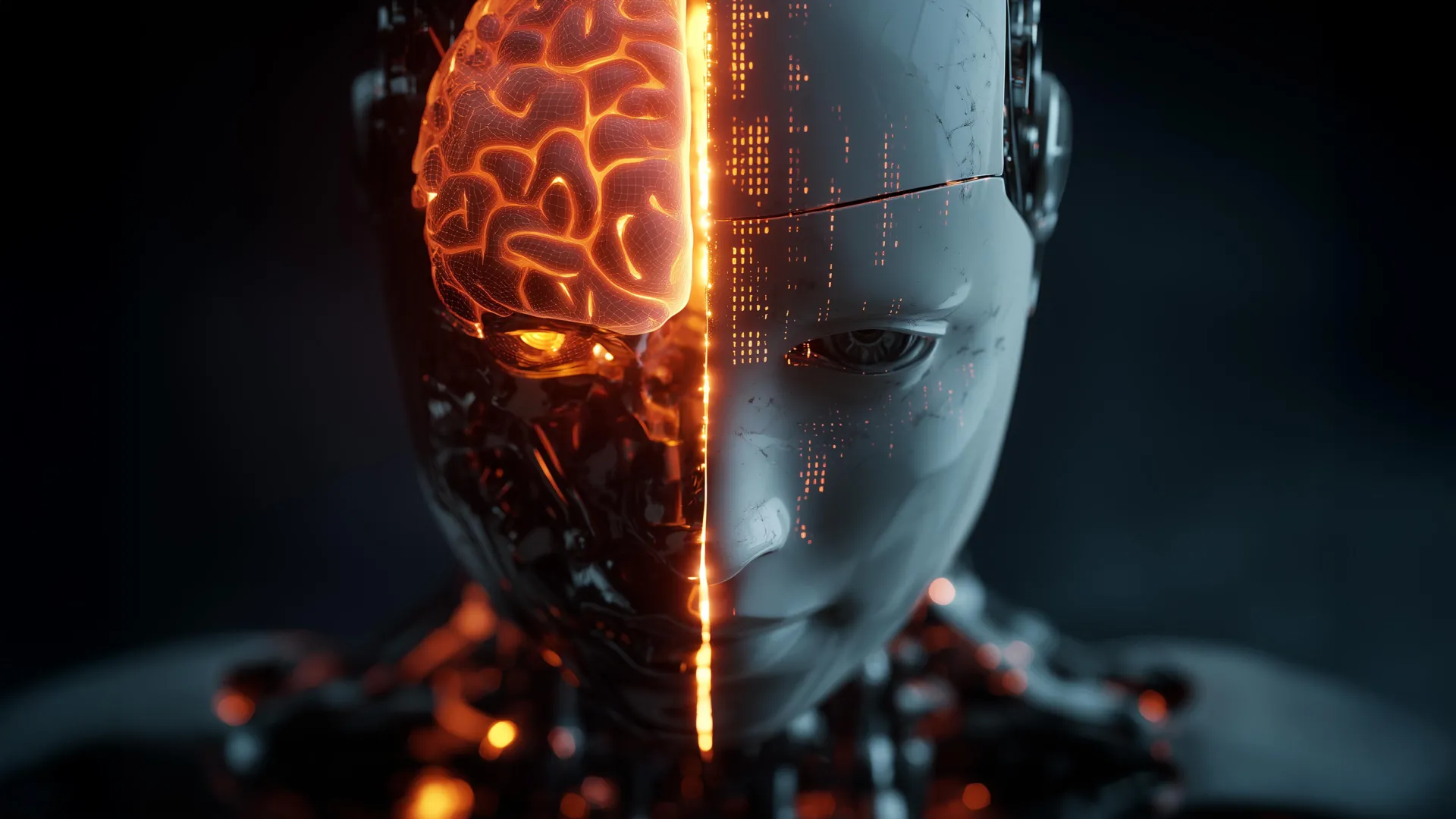
AI vs Human Brain - Recreating bizarre quantum effect — University of Oxford: Scientists recreated a bizarre quantum effect that stops a particle cold, demonstrating quantum field theory dynamics on a spin–phonon quantum computer. Published in Nature Physics.
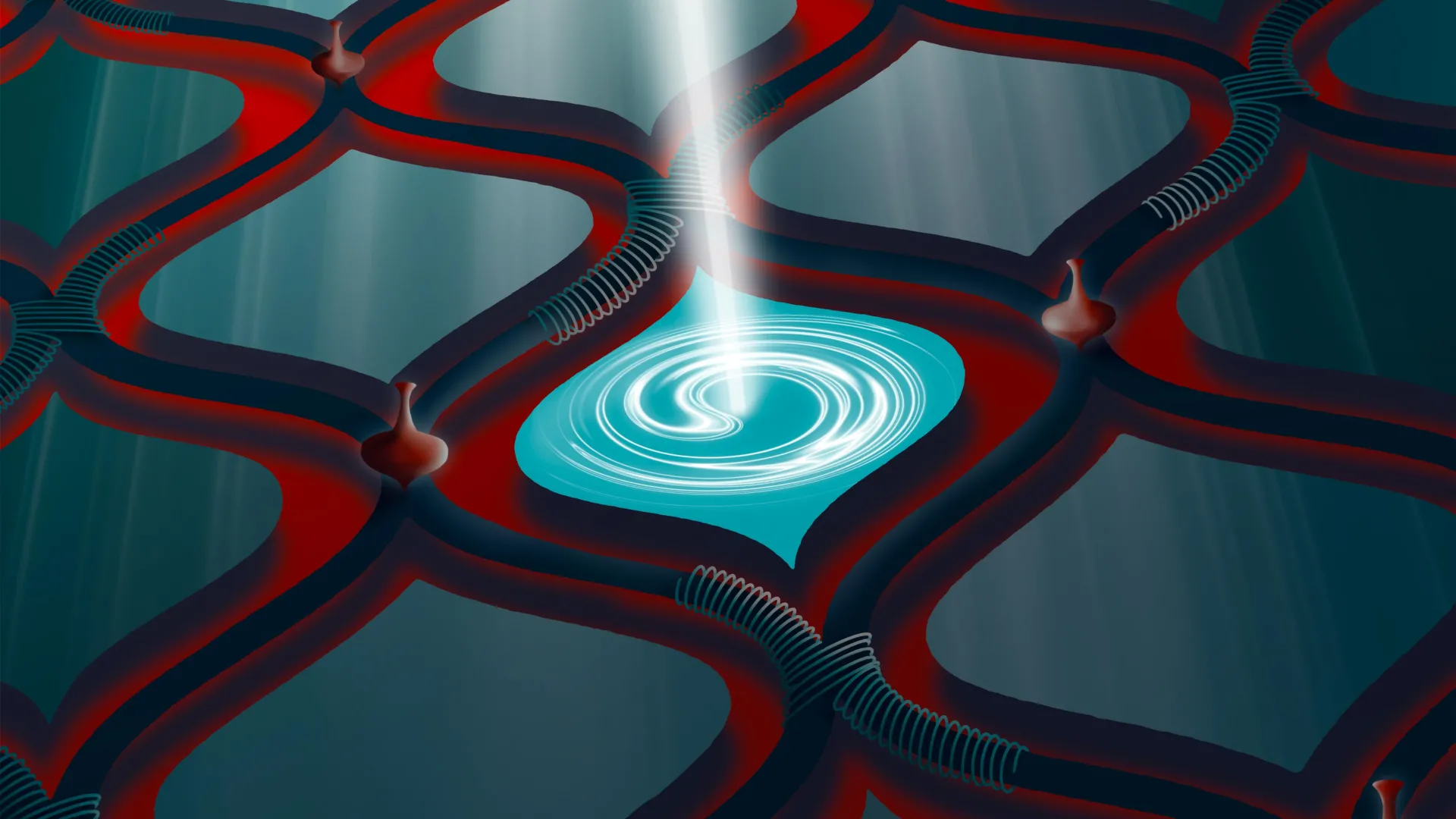
Hybrid Quantum System
sciencedaily.com
Health & Medicine News -- ScienceDaily
Top Science News -- ScienceDaily
sciencedaily.com
sciencedaily.com
sciencedaily.com
ScienceDaily: Your source for the latest research news
AI can act exactly like a human, but we still don
New drug reverses severe fatty liver disease by repairing the gut | ScienceDaily
Scientists recreate a bizarre quantum effect that stops a particle cold | ScienceDaily
Scientists find hidden driver of aging and a simple amino acid that fights memory loss in mice | Sci
Climate & Environment
- Population growth predictions revisited — ScienceDaily: A look back at 1960 predictions that runaway population growth would bring humanity to the brink of destruction on November 13, 2026. The article notes that while the mathematical forecasts were accurate for decades, declining birth rates and slowed population growth have mitigated the predicted crisis.

Overpopulation - Fundamental constants fine-tuned for life — ScienceDaily: Scientists discovered that the universe's fundamental physical constants may be finely balanced to make life possible. Even tiny changes to these constants could make liquids too thick or too thin for essential biological processes.

Universe Laws
sciencedaily.com
Health & Medicine News -- ScienceDaily
Top Science News -- ScienceDaily
sciencedaily.com
sciencedaily.com
sciencedaily.com
ScienceDaily: Your source for the latest research news
AI can act exactly like a human, but we still don
New drug reverses severe fatty liver disease by repairing the gut | ScienceDaily
Scientists recreate a bizarre quantum effect that stops a particle cold | ScienceDaily
Scientists find hidden driver of aging and a simple amino acid that fights memory loss in mice | Sci
What to Watch Next
- Optogenetics Therapeutics: Follow the translation of light-controlled brain interventions from animal models to early-phase human clinical trials.
- Gut-Liver Axis Drugs: Monitor the progression of DT-109 and similar gut-repairing drugs into human trials for fatty liver disease.
- AI Consciousness Debate: Keep an eye on further philosophical and cognitive science studies exploring why humans resist attributing consciousness to increasingly sophisticated AI agents.
Reader Action Items
- Read: The Cognition paper "Essentialism in mental state attributions to artificial systems" for insights into human-AI interaction psychology.
- Access: Check the University of Minnesota School of Public Health’s "Advances Magazine" for their Fall 2026 research findings on dementia and other public health issues.
- Follow: The debate on the "fine-tuning" of physical constants and its implications for cosmology and the origin of life.
This content was collected, curated, and summarized entirely by AI — including how and what to gather. It may contain inaccuracies. Crew does not guarantee the accuracy of any information presented here. Always verify facts on your own before acting on them. Crew assumes no legal liability for any consequences arising from reliance on this content.
Powered by
