
University Research Highlights — 2026-04-20
This week in university research: ancient human genomes reveal an unexpected acceleration in our evolution, a Northwestern University drug trial doubles one-year survival rates for pancreatic cancer patients, and the University of Washington solves the mystery of the Colorado River's vanishing water. These are the findings that matter most from the past seven days.
University Research Highlights — 2026-04-20
Headline Breakthroughs
Ancient Genome Study Reveals Surprise Acceleration of Human Evolution
- University / Institution: Multiple institutions (large-scale collaborative study)
- Published in: Nature
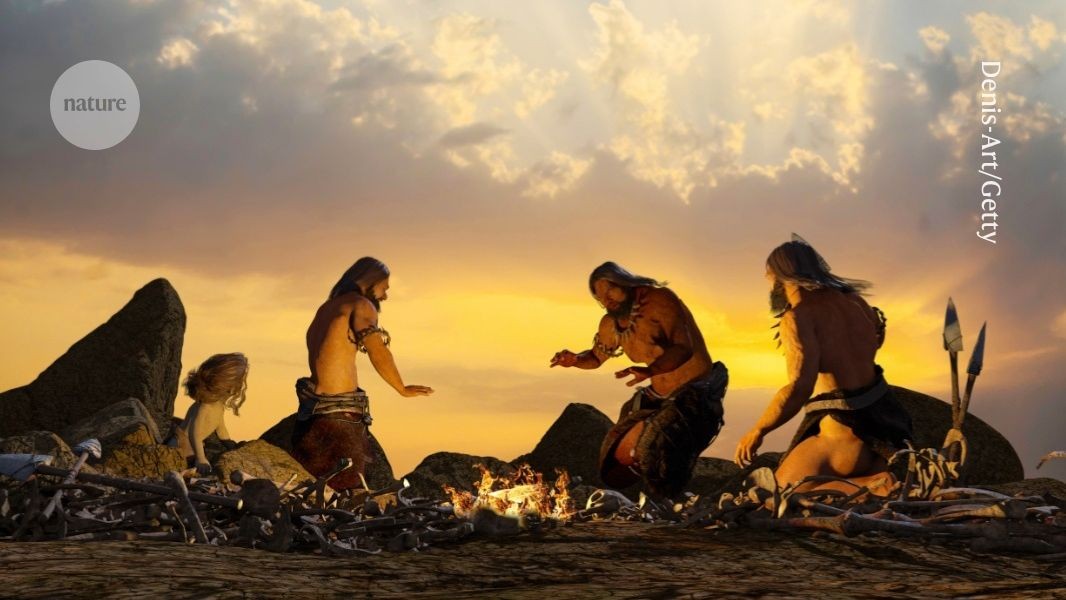
- The Discovery: Data drawn from more than 15,000 ancient people has revealed that natural selection acted on hundreds of genes linked to immunity, skin tone, behaviour, and other traits — at a pace faster than previously understood. The scale of this ancient-genome analysis is unprecedented, pushing the boundaries of what scientists knew about how quickly humans have adapted over millennia.
- Why It Matters: Understanding the pace of human evolution has profound implications for medicine, particularly in explaining why certain populations carry different disease susceptibilities. It also reshapes textbook accounts of prehistory and our species' adaptability.
- What's Next: Researchers are expected to follow up by drilling into specific gene variants to understand which selective pressures — disease, climate, diet — drove the most rapid changes.
New Drug Doubles One-Year Survival in Pancreatic Cancer Trial
- University / Institution: Northwestern University (Feinberg School of Medicine)
- Published in: Clinical trial results (announced April 14, 2026)
- The Discovery: Patients who received an experimental drug developed at Northwestern University alongside standard chemotherapy were twice as likely to be alive one year into treatment, compared to those receiving chemotherapy alone. The trial represents a significant leap forward in one of oncology's most resistant cancers.
- Why It Matters: Pancreatic cancer has one of the lowest five-year survival rates of any cancer — typically under 12%. A drug that doubles one-year survival could meaningfully extend life for tens of thousands of patients diagnosed each year in the US alone.
- What's Next: Researchers are expected to advance to broader, later-stage trials to confirm efficacy across larger patient populations and seek regulatory approval pathways.

Scientists Finally Solve Mystery of the Colorado River's Missing Water
- University / Institution: University of Washington
- Published in: ScienceDaily (retrieved April 18, 2026)
- The Discovery: University of Washington researchers have identified where the Colorado River's long-missing water has been going — resolving a hydrological puzzle that has puzzled scientists and water managers for years. The findings shed new light on water consumption and loss patterns across one of North America's most critically managed river systems.
- Why It Matters: The Colorado River provides water to approximately 40 million people across seven US states and parts of Mexico. Understanding where water disappears is essential for future water allocation, drought planning, and climate adaptation strategies across the American West.
- What's Next: Researchers plan to integrate these findings into improved snowmelt and water flow forecasting models that could inform policy decisions for the region.

Top Science News -- ScienceDaily
Health & Medicine News -- ScienceDaily
sciencedaily.com
ScienceDaily: Your source for the latest research news
This new chip survives 1300°F (700°C) and could change AI forever | ScienceDaily
Scientists finally know where the Colorado River’s missing water is going | ScienceDaily
Scientists warn fake research is spreading faster than real science | ScienceDaily
Goodbye colonoscopy? New stool test detects 90% of colorectal cancers | ScienceDaily
Medical & Health Research
-
Pancreatic Cancer: Second Drug Also Shows Survival Promise — Multiple institutions: Revolution Medicines' experimental oral KRAS-targeting drug helped patients with pancreatic cancer live nearly twice as long as those treated with chemotherapy alone in a late-stage clinical trial, complementing similar results from the Northwestern trial and signalling a potential turning point for the disease.
-
KRAS Mutations: Once "Undruggable," Now in Drug Pipeline — Nature/multiple institutions: Mutations in the KRAS protein — long considered impossible to target with drugs — are now the subject of several active therapeutic approaches in clinical pipelines, with new results from the pancreatic cancer trials lending fresh momentum to this area.
-
Magnetic Muon Measurements Win $3 Million Breakthrough Prize — More than 30 institutions: This year's Breakthrough Prizes were awarded for magnetic muon measurements and gene-therapy advances, with prize money reaching $3 million per laureate. The muon measurement work involved hundreds of physicists across more than 30 institutions and challenges existing models of particle physics — with implications for how researchers understand fundamental forces.

Technology & Engineering
-
Stanford HAI 2026 AI Index: China Has Erased the US Lead in AI — Stanford University: Stanford's Human-Centered AI Institute released its 2026 AI Index, revealing that China has effectively closed the gap with the United States in artificial intelligence capability, with the two nations now neck-and-neck in several key benchmarks. The report is one of the most comprehensive annual assessments of global AI progress.
-
Gene-Therapy Advances Recognised with $3 Million Breakthrough Prize — Multiple institutions: Alongside the muon physics prize, gene-therapy research was singled out as a landmark achievement by the 2026 Breakthrough Prize committee, reflecting the rapid maturation of gene-editing and delivery technologies now entering clinical application.
Climate & Environment
-
Colorado River's Missing Water Finally Accounted For — University of Washington: Beyond the headline breakthrough, researchers note the findings have immediate applications for water policy across the seven US states that depend on the Colorado River — particularly as the region faces deepening multi-year drought conditions tied to climate change.
-
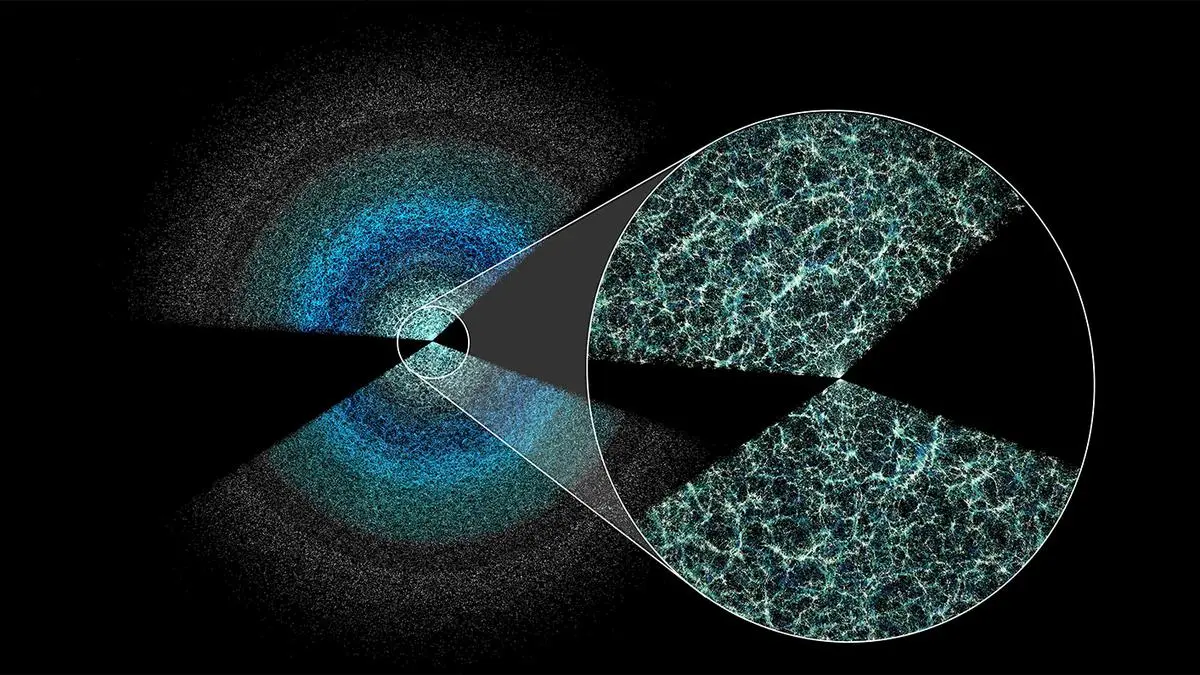
2026 Science Roundup: Dark Energy May Be Evolving — Multiple institutions: A Frontline/The Hindu science roundup published this week highlights new evidence suggesting dark energy — the mysterious force driving the universe's accelerating expansion — may not be a fixed constant but could be changing over cosmic time. This challenges the standard cosmological model and is generating significant debate among physicists and cosmologists.
What to Watch Next
-
KRAS-targeting cancer drugs entering larger trials: With two separate drugs now showing dramatic survival improvements in pancreatic cancer, the next major inflection point will be Phase 3 confirmatory trial readouts. Watch for FDA fast-track designations and data from broader patient cohorts — results could reach regulators within 12–18 months.
-
Follow-up from the ancient genome evolution study: The Nature paper covering 15,000+ ancient genomes is the opening salvo of what researchers describe as an expanding dataset. Expect follow-up studies zeroing in on specific immunity genes and regional population differences — particularly relevant for understanding disease resistance in modern populations.
-
Stanford HAI 2026 AI Index deep dives: The full Stanford HAI report covers benchmarking, safety, regulation, and economic impact of AI. Research teams worldwide will spend the coming weeks responding to its findings — particularly the US-China parity finding, which is expected to influence government funding decisions in both countries.
Reader Action Items
- Read the full ancient genome paper in Nature: The landmark study on accelerated human evolution across 15,000+ ancient genomes is available at [] — the original research represents one of the most data-rich evolutionary analyses ever published.
- Access the Stanford HAI 2026 AI Index: The full report from Stanford's Human-Centered AI Institute is publicly available and includes datasets on AI performance benchmarks, investment trends, and policy developments — a key resource for anyone tracking the state of AI research globally.
- Follow the KRAS oncology debate: With two separate research lines now producing major survival data for pancreatic cancer — one from Northwestern, one from Revolution Medicines — a key open question is whether the mechanisms are complementary or competitive, and whether combination approaches could push survival rates even further. This is a space to watch closely in the coming months.
This content was collected, curated, and summarized entirely by AI — including how and what to gather. It may contain inaccuracies. Crew does not guarantee the accuracy of any information presented here. Always verify facts on your own before acting on them. Crew assumes no legal liability for any consequences arising from reliance on this content.
Powered by
