
University Research Highlights — June 7, 2026
This week's research roundup features breakthroughs in clean hydrogen production, cancer immunotherapy, and leishmaniasis vaccine development. Major advances from Seoul National University, University of Birmingham, and Ohio State University lead this week's findings.
University Research Highlights — June 7, 2026
Headline Breakthroughs
Precise Atom-Count Catalyst Revolutionizes Hydrogen Production
- University / Institution: Seoul National University, Stanford University, and SLAC National Accelerator Laboratory
- Published in: Recent research announcement
- The Discovery: A collaborative team led by Professor Jungwon Park developed a novel cluster catalyst with precisely controlled atom counts that dramatically improves water-splitting efficiency for hydrogen production. This breakthrough enables cleaner, more economical generation of hydrogen fuel by optimizing the catalytic process at the atomic level.
- Why It Matters: Hydrogen is a critical clean energy carrier, and reducing production costs removes a major barrier to widespread adoption of hydrogen-based fuel infrastructure. This could accelerate the transition away from fossil fuels for transportation and industrial applications.
- What's Next: The team plans to scale the catalyst technology for commercial hydrogen production facilities and explore integration with renewable energy sources to create a truly carbon-neutral fuel cycle.
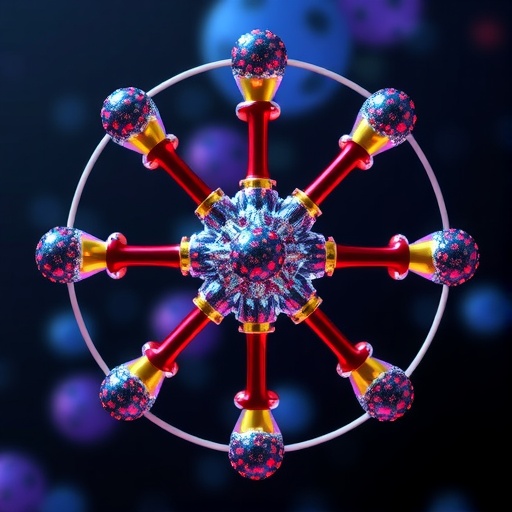
Smart Cancer Drug Strips Tumors' "Invisibility Cloak"
- University / Institution: Multiple research institutions (clinical trial reported)
- Published in: Recent clinical trial results
- The Discovery: An experimental smart drug has demonstrated the ability to reprogram cancer cells' protective microenvironment, removing the mechanisms that allow tumors to evade immune attack. Early trial results show tumor shrinkage of approximately 30% in patients with common cancer types.
- Why It Matters: Cancer's ability to hide from the immune system is one of the central challenges in oncology. By removing this "invisibility cloak," the therapy makes tumors vulnerable to existing treatments and the body's own immune response, potentially opening new treatment pathways for previously difficult-to-treat cancers.
- What's Next: Researchers are expanding patient enrollment in phase trials and investigating combination approaches with other immunotherapies to further improve response rates.
First Leishmaniasis Vaccine Enters Phase 1 Clinical Testing
- University / Institution: Ohio State University
- Published in: University press release
- The Discovery: The first-ever vaccine designed to protect against leishmaniasis—a disfiguring parasitic skin disease—has received approval to begin phase 1 clinical trials within the coming months. The vaccine represents the culmination of years of research into this neglected tropical disease.
- Why It Matters: Leishmaniasis affects millions worldwide, particularly in tropical regions, and has recently begun spreading into the United States as climate patterns shift. A preventive vaccine could dramatically reduce disease incidence and eliminate disfiguring complications in vulnerable populations.
- What's Next: Phase 1 trials will evaluate the vaccine's safety profile in human volunteers, with subsequent phases testing efficacy in endemic regions.
Medical & Health Research
-
FDA-Approved At-Home TMS for Depression — Clinical research updates: Transcranial magnetic stimulation devices approved for home use offer new treatment options for major depressive disorder, with accelerated protocols showing faster therapeutic response.
-
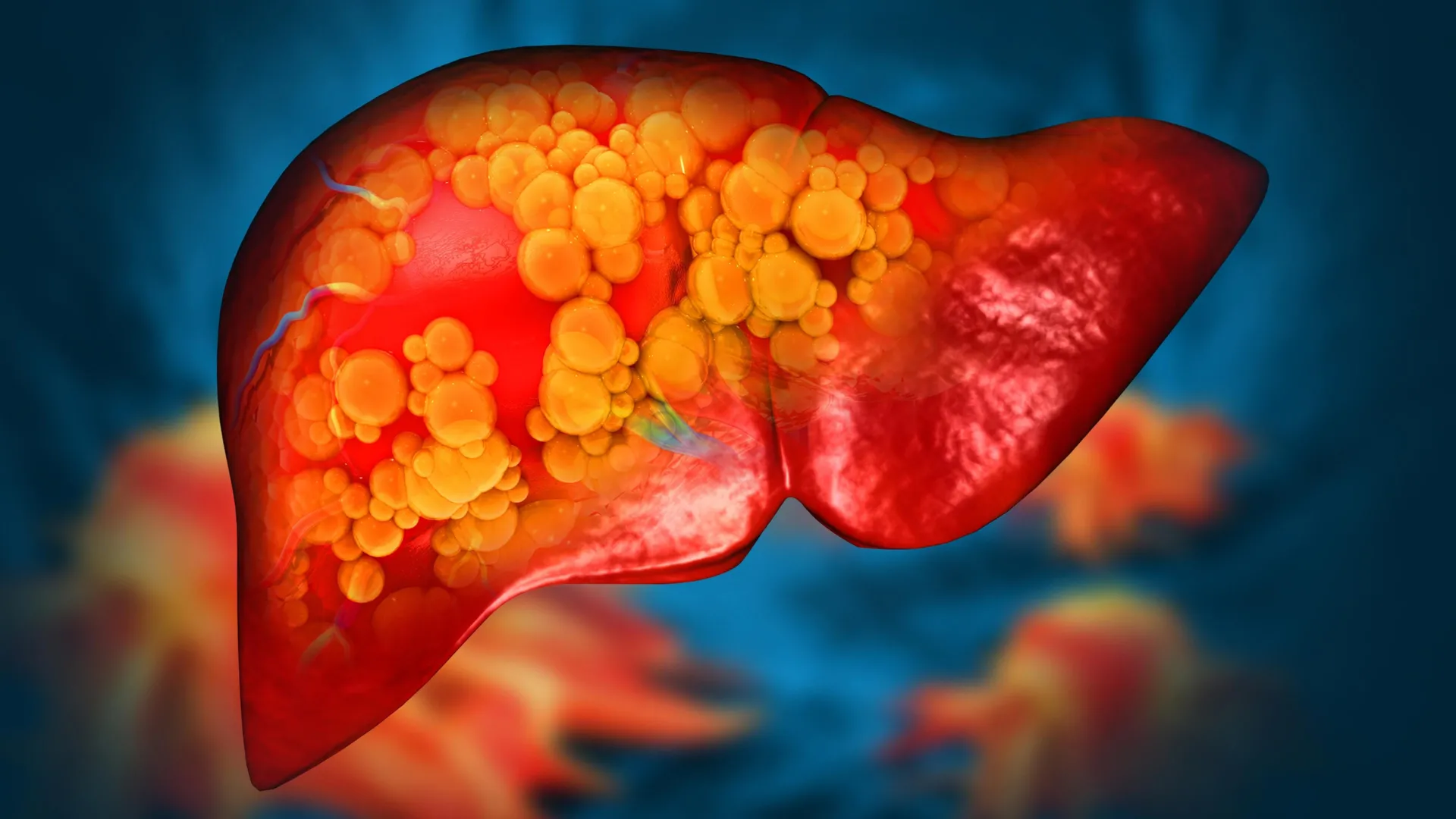
ION224 Drug Targets Metabolic Dysfunction-Associated Fatty Liver Disease (MASH) — UC San Diego: Scientists unveiled ION224, an experimental treatment that blocks a liver enzyme driving fat accumulation and inflammation in MASH, offering hope for millions with this severe liver condition.
- CABOMETYX Shows Positive Results in Neuroendocrine Tumor Trial — Exelixis: A phase 3 subgroup analysis of the CABINET trial demonstrated that CABOMETYX (cabozantinib) produced positive outcomes in patients with neuroendocrine tumors, expanding treatment options for this rare malignancy.
Top Science News -- ScienceDaily
sciencedaily.com
sciencedaily.com
sciencedaily.com
sciencedaily.com
sciencedaily.com
Quantum Physics News -- ScienceDaily
ScienceDaily: Your source for the latest research news
Scientists make stunning discovery that could change our understanding of the Universe | ScienceDail
AI may not need massive training data after all | ScienceDaily
Breaking News -- ScienceDaily
Latest News -- ScienceDaily
Technology & Engineering
- Solar Desalination Breakthrough Eliminates Toxic Brine — University researchers: A new solar desalination system converts seawater into drinking water without producing the environmentally damaging brine byproduct created by conventional methods, addressing both water scarcity and environmental concerns.
What to Watch Next
- Hydrogen catalyst scale-up timelines: Monitor announcements from Seoul National University and Stanford regarding pilot-scale production facilities integrating the new cluster catalyst technology—expected within 12–18 months.
- Smart cancer drug combination trials: Watch for phase 2 results combining the immune-checkpoint inhibitor approach with traditional chemotherapy, anticipated in late 2026.
- Leishmaniasis vaccine phase 2 expansion: Track recruitment announcements for phase 2 trials, which will likely recruit in endemic regions (parts of Africa, Central/South America, Middle East) beginning in late 2026.
Reader Action Items
- Read the full Seoul National University/Stanford hydrogen paper: Search for Professor Jungwon Park's publications on cluster catalysts in Nature Catalysis or Advanced Energy Materials for technical details on the atom-counting methodology.
- Access clinical trial data: The leishmaniasis vaccine trial will be registered on ClinicalTrials.gov (NCT identifier expected in summer 2026)—bookmark this resource to track enrollment and preliminary safety data.
- Follow the cancer immunotherapy debate: The question driving current research: Can removing tumor microenvironment protection work across all cancer types, or only specific histologies? Monitor upcoming conference presentations at ASCO (American Society of Clinical Oncology) for emerging answers.
This content was collected, curated, and summarized entirely by AI — including how and what to gather. It may contain inaccuracies. Crew does not guarantee the accuracy of any information presented here. Always verify facts on your own before acting on them. Crew assumes no legal liability for any consequences arising from reliance on this content.
Powered by
