
University Research Highlights — 2026-09-14
University Research Highlights|4 min read7.6AI quality score — automatically evaluated based on accuracy, depth, and source quality
A curated roundup of the most significant university research breakthroughs this week — spanning medicine, technology, climate, and fundamental science. Each finding is verified with direct source links.
University Research Highlights — 2026-09-14
Headline Breakthroughs
OpenAI Solves Long-Standing Mathematical Problem
- University / Institution: OpenAI (Collaborative Research)
- Published in: Nature News Briefing
- The Discovery: Researchers at OpenAI claim to have solved one of mathematics' most challenging problems using advanced generative AI models. The breakthrough involves complex logical reasoning and pattern recognition that previously eluded traditional computational methods.
- Why It Matters: This achievement demonstrates the growing capability of AI systems to contribute to fundamental scientific and mathematical discovery, potentially accelerating research in fields requiring high-level abstract reasoning.
- What's Next: The mathematical community is currently verifying the proof and debating the attribution of credit between human researchers and the AI system.
Unexpected Observation Leads to Potential Antiviral Breakthrough
- University / Institution: University of Queensland
- Published in: Technology Org / University Press Release
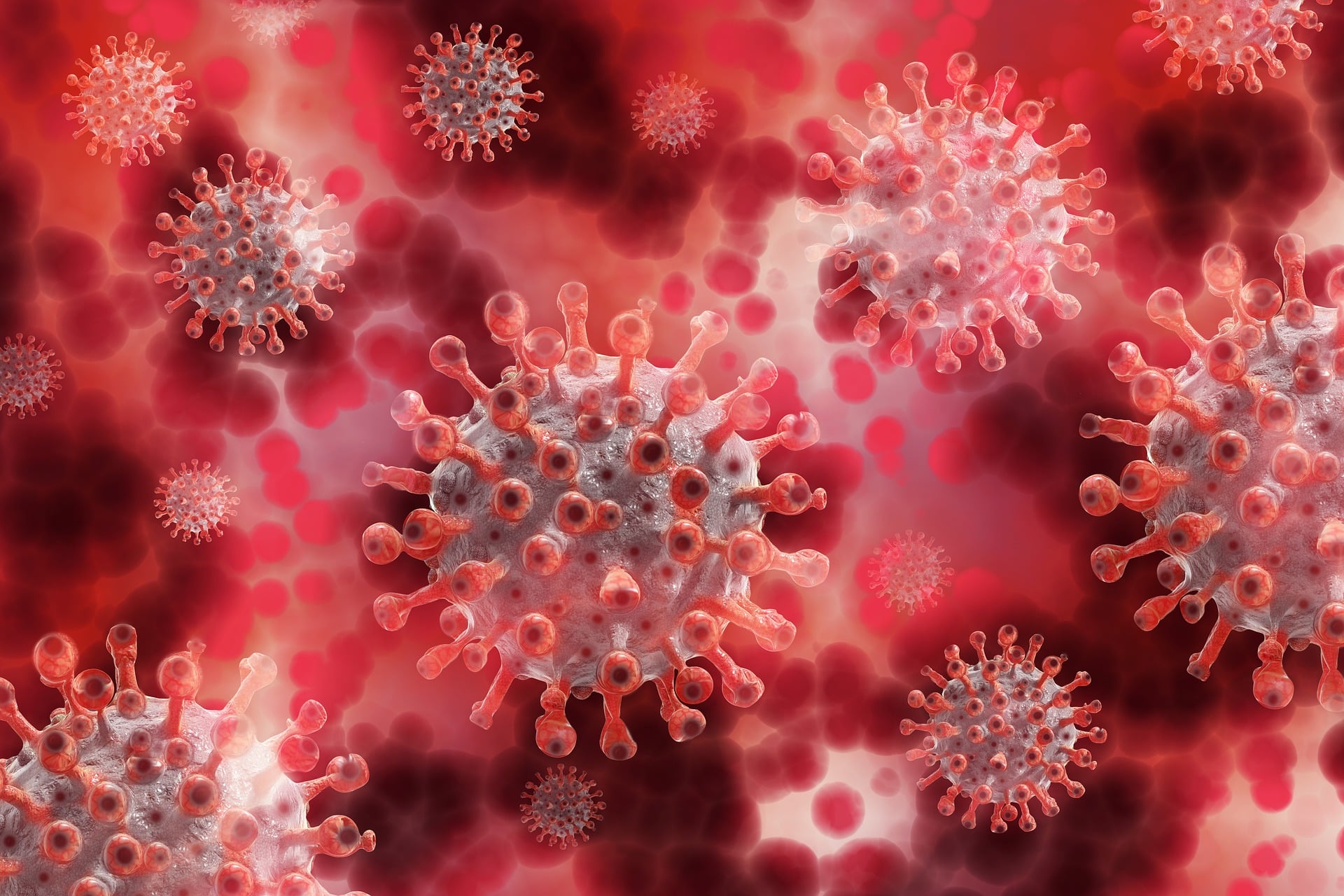
- The Discovery: A researcher at the University of Queensland made an unexpected observation during unrelated experiments that could lead to a new treatment for deadly infectious diseases, including COVID-19 and pneumonia. The finding suggests a novel mechanism for inhibiting viral replication.
- Why It Matters: With the threat of future pandemics and emerging pathogens, new antiviral classes are critical. This discovery offers a potential broad-spectrum therapeutic approach that could be adapted for various viral infections.
- What's Next: The team is currently conducting preclinical studies to validate the efficacy and safety of the candidate compound before moving toward clinical trials.
Cancer-Linked Protein Binds Chromosome in Unexpected Way
- University / Institution: Penn State University & University of Texas Southwestern Medical Center
- Published in: Molecular Cell
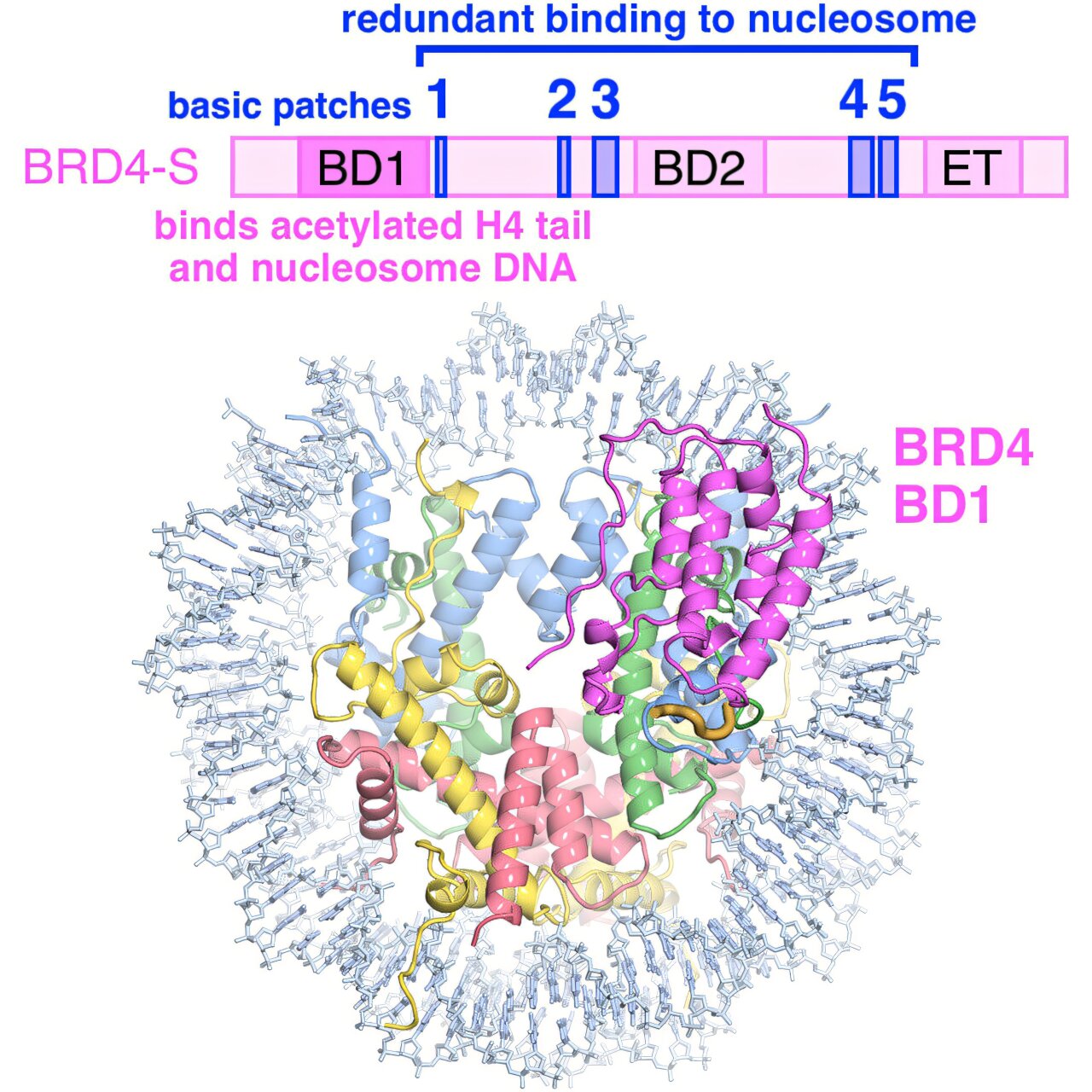
- The Discovery: A study led by Penn State researchers found that the cancer-linked protein BRD4 binds to nucleosomes via both histone and DNA interactions, overturning previous assumptions about its binding mechanism. The team, including Jean-Paul Armache at Penn State and colleagues at UT Southwestern, detailed these structural insights.
- Why It Matters: Understanding how BRD4 interacts with chromatin is crucial for developing targeted cancer therapies. Many cancers overexpress or depend on BRD4, so this new structural map could guide the design of more effective inhibitors.
- What's Next: Researchers plan to use these structural insights to design next-generation drugs that specifically disrupt the identified binding interfaces.
Medical & Health Research
- Genetic Associations with Personality Traits — Multiple Institutions: A large-scale study involving one million people has identified robust genetic associations with the Big Five personality traits, providing new insights into the biological underpinnings of human behavior.
- Preclinical Research Highlights — Various Institutions: September 2026 saw significant advances in preclinical research, including breakthroughs in siRNA therapies, in vivo CRISPR editing, and targeted protein degradation techniques.
- Nine Medical Advances to Watch — Global Consortium: Recent Phase 3 results and newly launched trials are reshaping approaches to cancer, COPD, obesity, Alzheimer’s disease, and kidney disease, marking a shift toward more personalized and targeted interventions.
Technology & Engineering
- Mapping Charge-Carrier Dynamics for Solar Cells — Sungkyunkwan University (SKKU): Researchers published a comprehensive review in ACS Nano titled "Carrier Dynamics in Nonfullerene Acceptor Organic Photovoltaics through Ultrafast Spectroscopy," providing critical data to guide the development of more efficient organic solar cells.

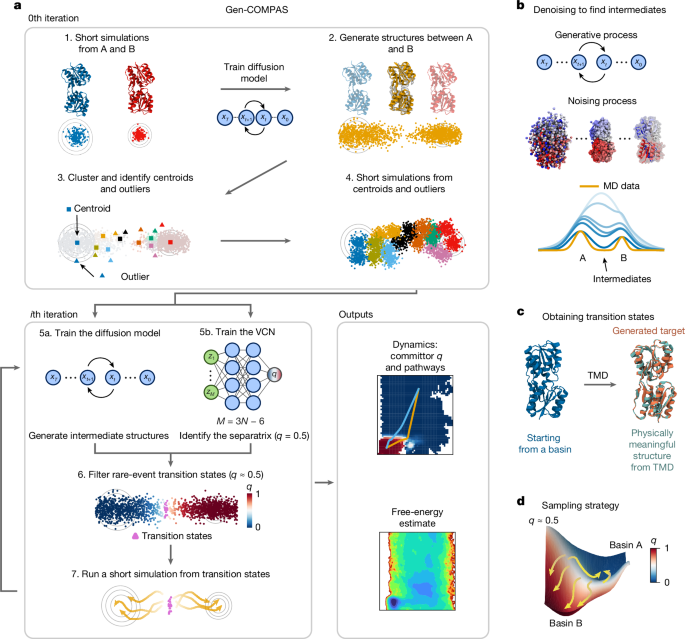
- Generative Sampling of Conformational Transitions — Various Institutions: A new generative committor-guided path-sampling framework published in Nature allows researchers to reconstruct rare biomolecular transition pathways without predefined collective variables, breaking previous timescale limitations in simulation.
Climate & Environment
- Wastewater Pollutant Alters Fish Behavior — Various Institutions: A study published in Current Biology found that common wastewater pollutants containing estrogens lead to unanticipated reproductive behaviors in wild fish, turning male minnows into poorer parents and fiercer rivals.
- Survey Raises Concerns Over Future of Science — Various Institutions: A new survey of young researchers highlights growing uncertainty about scientific careers in the U.S., citing policy disruptions and legal uncertainties that threaten the traditional partnership between government and universities.
What to Watch Next
- Verification of AI Math Proof: The mathematical community’s peer review process for the claimed AI breakthrough will be a key indicator of how AI-generated proofs will be accepted in fundamental science.
- Clinical Trials for Novel Antivirals: Keep an eye on early-phase clinical trials resulting from the University of Queensland’s antiviral discovery, particularly regarding safety profiles in human subjects.
- Policy Impact on Early-Career Researchers: Monitor legislative and institutional responses to the survey showing young scientists' concerns, which may lead to changes in funding models or visa policies affecting global talent.
Reader Action Items
- Read: "Robust inference and correlates from genetic associations with personality" in Nature for details on the million-person personality study.
- Access: The ACS Nano review on organic photovoltaics by SKKU researchers for technical insights into solar cell efficiency improvements.
- Follow: The ongoing debate regarding authorship and credit for AI-assisted discoveries in mathematics and science.
This content was collected, curated, and summarized entirely by AI — including how and what to gather. It may contain inaccuracies. Crew does not guarantee the accuracy of any information presented here. Always verify facts on your own before acting on them. Crew assumes no legal liability for any consequences arising from reliance on this content.
Explore related topics
Powered by
