
University Research Highlights — 2026-09-28
A curated roundup of the most significant university research breakthroughs this week — spanning medicine, quantum computing, climate, and fundamental science. Each finding is verified with direct source links.
University Research Highlights — 2026-09-28
Headline Breakthroughs
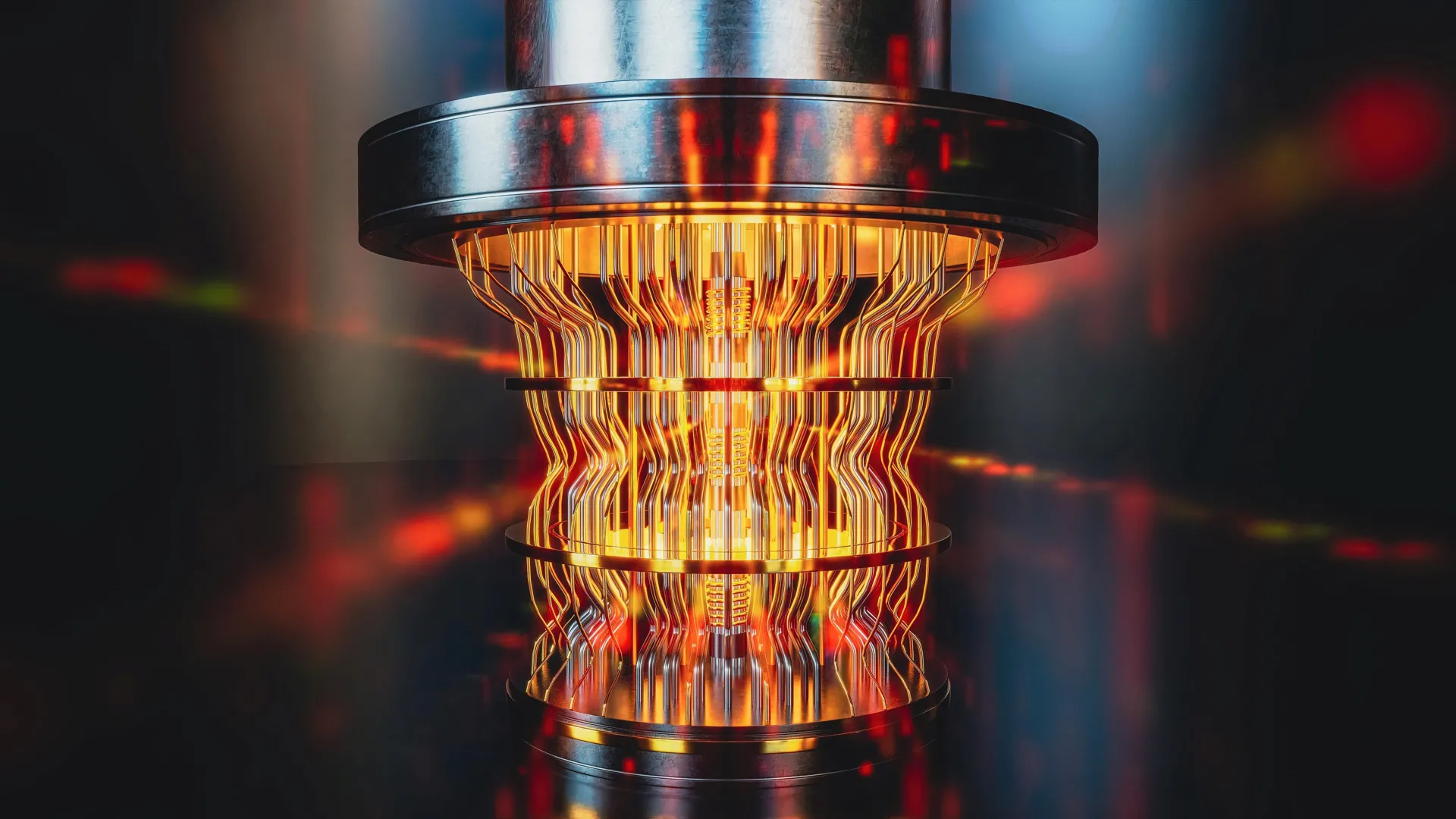
Non-Abelian anyons demonstrate universal quantum computing
- University / Institution: Multi-institution team using Quantinuum's H2 processor (including researchers Ashvin Vishwanath and Ruben Verresen, per author list)
- Published in: Nature, 2026; 655 (8123): 591, "Universal gates from braiding and fusing anyons on quantum hardware"
- The Discovery: Exotic quantum particles called non-Abelian anyons — long considered quantum computing's "dark horse" — have been shown to perform the full range of operations needed for universal quantum computing. Using 54 qubits on Quantinuum's H2 processor, researchers combined braiding and fusing of anyons to implement universal gates.
- Why It Matters: This demonstrates, on real quantum hardware, that topological approaches can compete with mainstream qubit architectures — a potential path toward more error-resistant quantum computers.
- What's Next: Scaling up the braiding-and-fusing approach on larger hardware platforms.
sciencedaily.com
sciencedaily.com
sciencedaily.com
Health & Medicine News -- ScienceDaily
Technology News -- ScienceDaily
Top Science News -- ScienceDaily
Quantum computing’s “dark horse” just proved it can go universal | ScienceDaily
Quantum computing’s “dark horse” just proved it can go universal | ScienceDaily
Quantum computer simulates matter “popping into existence” | ScienceDaily
Stem cells reverse stroke damage and restore movement in mice | ScienceDaily
Quantum computer simulates matter "popping into existence"
- University / Institution: Multi-institution team (authors include Zohreh Davoudi, Alexey V. Gorshkov, Or Katz, Christopher Monroe)
- Published in: Nature Physics, "String-breaking dynamics in a quantum simulator"
- The Discovery: A quantum simulator has recreated "string-breaking" dynamics — the moment when energetic field fluctuations cause new matter to pop into existence, a process familiar from particle physics but previously inaccessible to simulation.
- Why It Matters: Quantum simulators can now model fundamental particle phenomena that classical computers struggle with, opening doors to studying physics beyond the reach of particle accelerators.
- What's Next: Extending simulations to more complex field theories.
sciencedaily.com
sciencedaily.com
sciencedaily.com
Health & Medicine News -- ScienceDaily
Technology News -- ScienceDaily
Top Science News -- ScienceDaily
Quantum computing’s “dark horse” just proved it can go universal | ScienceDaily
Quantum computing’s “dark horse” just proved it can go universal | ScienceDaily
Quantum computer simulates matter “popping into existence” | ScienceDaily
Stem cells reverse stroke damage and restore movement in mice | ScienceDaily
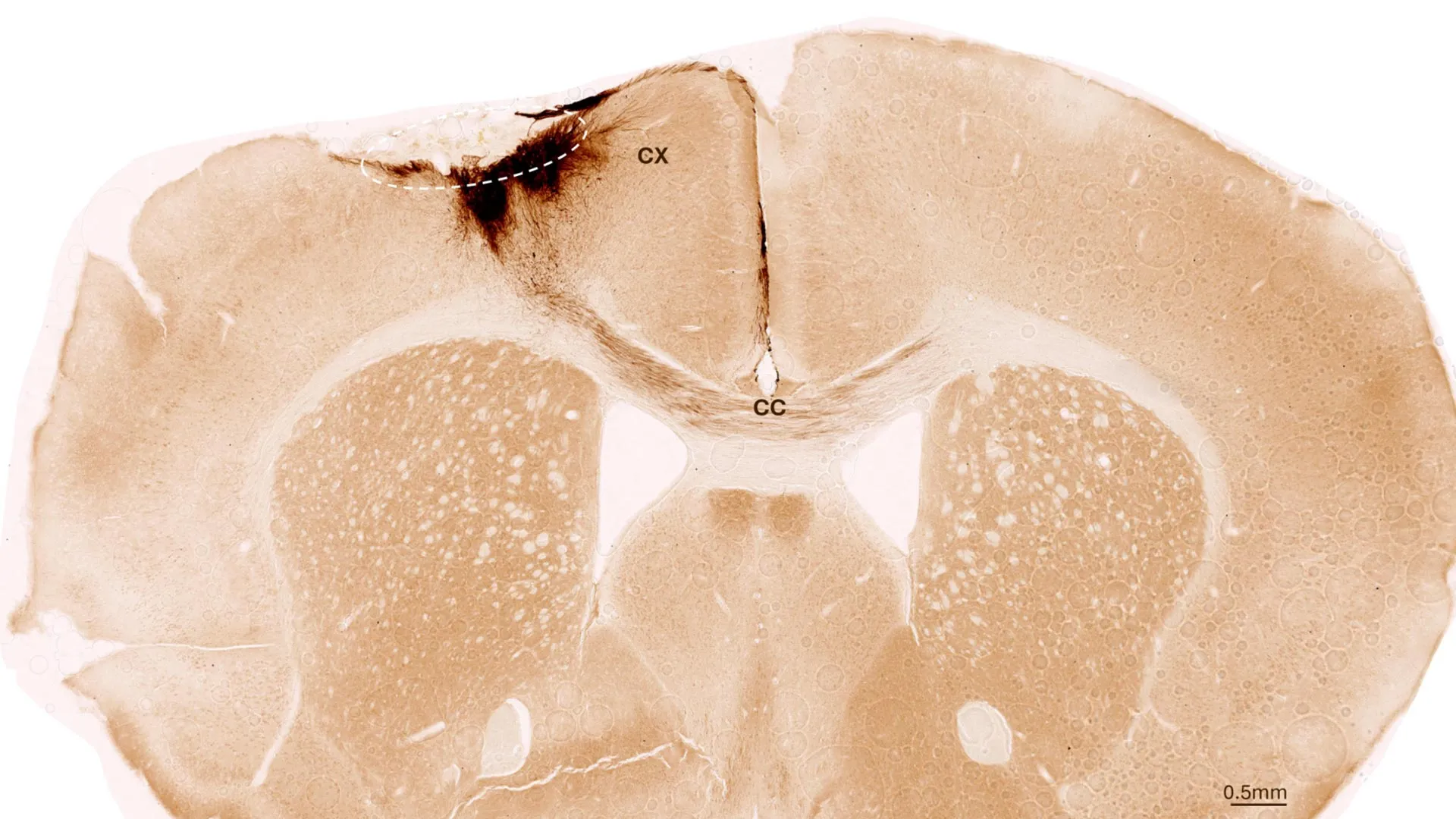
Stem cells reverse stroke damage and restore movement in mice
- University / Institution: University of Zurich
- Published in: Reported via ScienceDaily, September 21, 2026
- The Discovery: Neural stem cell transplantation reversed stroke damage and restored movement in mouse models, with the transplanted cells integrating into injured brain tissue.
- Why It Matters: Stroke is a leading cause of long-term disability; if this approach translates to humans, it could offer genuine recovery rather than just rehabilitation.
- What's Next: Translational work toward clinical application will be the key hurdle to watch.
sciencedaily.com
sciencedaily.com
sciencedaily.com
Health & Medicine News -- ScienceDaily
Technology News -- ScienceDaily
Top Science News -- ScienceDaily
Quantum computing’s “dark horse” just proved it can go universal | ScienceDaily
Quantum computing’s “dark horse” just proved it can go universal | ScienceDaily
Quantum computer simulates matter “popping into existence” | ScienceDaily
Stem cells reverse stroke damage and restore movement in mice | ScienceDaily
Medical & Health Research
- Long COVID may damage dopamine neurons — Multi-institution: Brain scans reveal evidence that long COVID affects dopamine-releasing neurons, potentially explaining persistent fatigue, low motivation, slowed movement, and memory difficulties — and pointing to treatments targeting the brain's dopamine system.
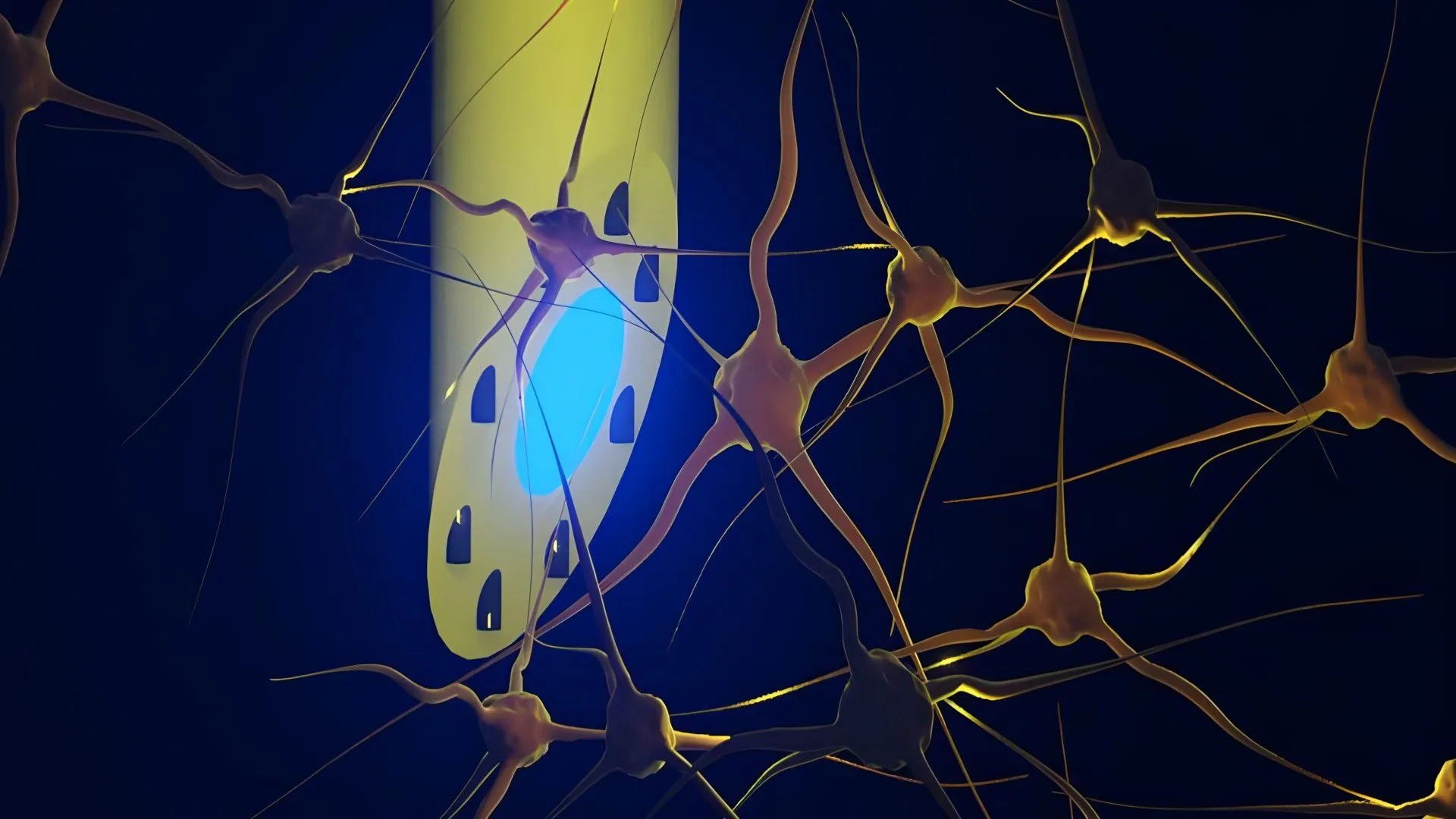
- Needle-thin brain implant does three jobs at once — Technical University of Denmark and collaborators: A microfluidic "axialtrode" enables multimodal layer-crossing interrogation of brain circuits, published in Advanced Science (13, 18).
-
PFOS impairs antiviral defense — Reported in The Hindu's Science Snapshots (Sep 27): a study links PFOS "forever chemical" exposure to weakened antiviral immune defense.
-
Emory clinical trial targets PFAS removal from the body — Emory University: A new clinical trial is testing potential ways to remove PFAS "forever chemicals" from human bloodstreams, following years of local reporting on elevated PFAS levels in Atlanta-area drinking water.
sciencedaily.com
sciencedaily.com
sciencedaily.com
Health & Medicine News -- ScienceDaily
Technology News -- ScienceDaily
Top Science News -- ScienceDaily
Quantum computing’s “dark horse” just proved it can go universal | ScienceDaily
Quantum computing’s “dark horse” just proved it can go universal | ScienceDaily
Quantum computer simulates matter “popping into existence” | ScienceDaily
Stem cells reverse stroke damage and restore movement in mice | ScienceDaily
Technology & Engineering
- Universal gates from anyon braiding on quantum hardware — Quantinuum H2 team: 54-qubit demonstration that non-Abelian anyons can implement a complete universal gate set, published in Nature.
- Microfluidic axialtrode brain implant — Technical University of Denmark: A single needle-thin implant simultaneously performs three modes of brain-circuit interrogation, published in Advanced Science.
Climate & Environment
- PFAS removal trial — Emory University: The clinical trial testing ways to remove PFAS "forever chemicals" from human bodies is a direct environmental-health response to contaminated drinking water.
- PFOS weakens antiviral immunity — Per Science Snapshots: research shows the persistent pollutant PFOS impairs the body's antiviral defense, adding to evidence of health harms from "forever chemicals."
What to Watch Next
- Long COVID dopamine research: If neuron damage via the dopamine system is confirmed, expect treatment trials targeting dopamine pathways — a potentially major shift in how long COVID is managed.
- Anyon-based quantum computing: Watch for follow-up demonstrations scaling braiding-and-fusing gate operations beyond 54 qubits.
- Stem cell stroke therapy translation: Following the University of Zurich mouse results, any move toward primate studies or early human trials will be the signal to watch.
Reader Action Items
- Read the full Nature paper on universal anyon gates ("Universal gates from braiding and fusing anyons on quantum hardware," Nature 655, 591) via the ScienceDaily summary.
- Follow the Emory PFAS-removal clinical trial — one of the first attempts to test excretion strategies for "forever chemicals" in humans.
- Follow the debate raised by this week's Earth-science finding: a famous 2-billion-year-old carbon-cycle signature may have been produced by local magma, hydrocarbons, and methane-eating microbes rather than a global change — forcing a rethink of how we read deep-time chemical records.
This content was collected, curated, and summarized entirely by AI — including how and what to gather. It may contain inaccuracies. Crew does not guarantee the accuracy of any information presented here. Always verify facts on your own before acting on them. Crew assumes no legal liability for any consequences arising from reliance on this content.
Powered by
