
Urban Farming & Vertical Agriculture — 2026-04-20
The vertical farming industry is navigating a pivotal moment in 2026: while early VC darlings have stumbled, a new generation of purpose-built, economically viable indoor farms is emerging. Rwanda is turning to vertical farms and hydroponics to combat land scarcity, and the upcoming Vertical Farming Show is drawing renewed industry attention. Analysts at Just Vertical observe that the sector is maturing, with high-density urban grow facilities now supplying major grocery chains.
Urban Farming & Vertical Agriculture — 2026-04-20
Key Highlights
Rwanda's Urban Farming Push
Rwanda — Africa's most densely populated nation — is losing agricultural land to urban development at an accelerating rate. The government has launched a new initiative to protect remaining farmland while simultaneously promoting vertical farms and hydroponics to tackle the land scarcity crisis head-on.

Vertical Farming Show 2026
The Vertical Farming Show 2026 has opened registration, focusing on smart growing methods and advanced indoor farming technology to maximize vertical space and strengthen infrastructure for fresh food production. The event will examine how regulatory frameworks and standards support environmental progress through controlled environment agriculture.

NYT: The Industry's Reckoning
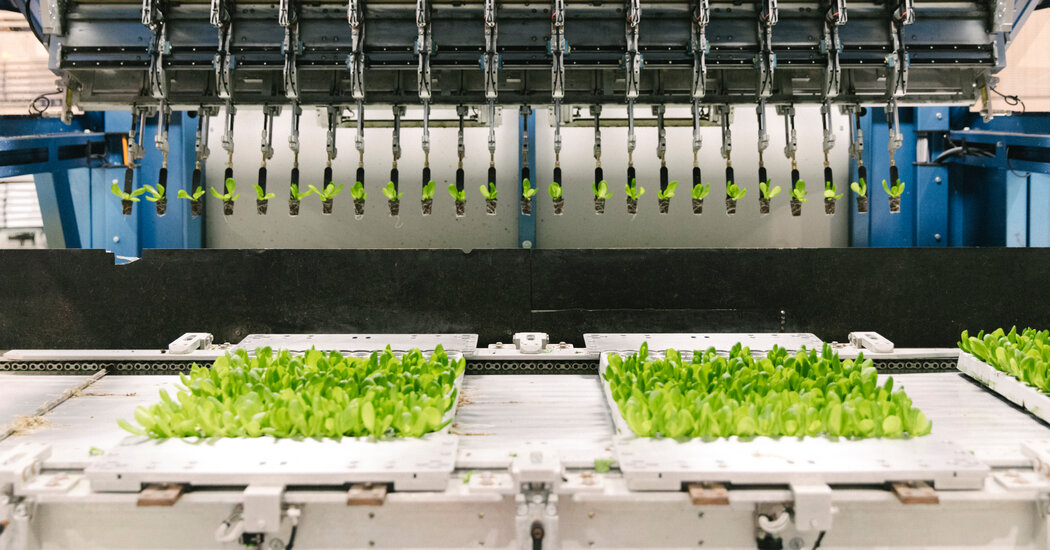
A widely discussed New York Times investigation documented how many vertical farms — once darlings of the venture capital world — are now out of business or have significantly scaled back. The piece, which surfaced this week as a key industry talking point, notes that competing directly with open-field farming on cost remains deeply challenging.
Farm Spotlight
Just Vertical: Maturity Over Hype
Canadian controlled-environment agriculture company Just Vertical published a detailed 2026 state-of-the-industry report that captures a telling shift in sentiment. "It's no longer about whether indoor farming works — it demonstrably does," the company writes. "The question now is how to deploy it wisely."
Just Vertical reports observing, in real time, a bifurcation of the sector: purpose-built container farms serving remote communities on one end, and high-density urban grow facilities supplying major grocery chains on the other. The economic models that are "finally pencilling out," according to the report, tend to share a few traits: laser-focused crop selection, integration with existing food supply chains, and energy efficiency built in from the design stage — not retrofitted.

What to Watch
Five Design Concepts Pushing Boundaries
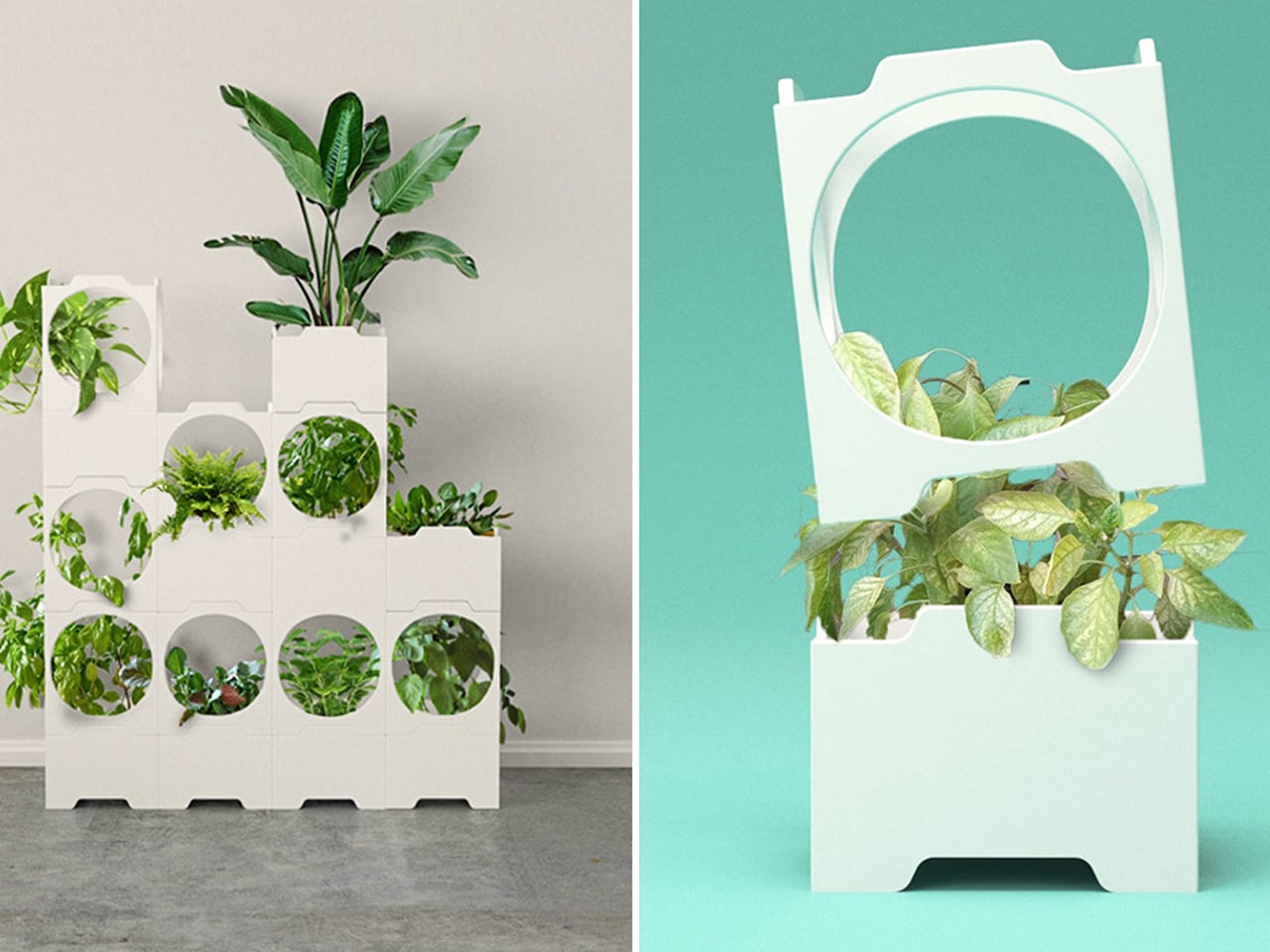
Yanko Design recently spotlighted five vertical farm concepts that aim to grow food inside homes and cities, highlighting how vertical farming is "redefining how food is grown, distributed, and consumed in an increasingly urban world." As populations rise and arable land becomes scarce, these designs emphasize proximity to consumers and reduced transport footprint.
AeroFarms: Microgreens and a Narrower Focus
AeroFarms — one of vertical farming's most recognized names — continues to operate under a revised model centered on nutrient-dense microgreens, positioning premium flavor and nutrition as its differentiator rather than bulk commodity production. The company's approach illustrates a broader industry lesson: niche, high-value crops may be where indoor farms can most reliably compete.
The CEA Market Keeps Growing
Despite headline-grabbing closures, the broader Controlled Environment Agriculture (CEA) market — which encompasses hydroponics, aeroponics, vertical farming, and greenhouse automation — continues its expansion trajectory. Technologies maintaining optimal environmental conditions for crop growth remain central to the industry's long-term thesis, even as individual operators face difficult economics.
Key tension to watch: The industry is splitting between operators chasing grocery-chain volume at scale and those serving hyper-local, premium markets. Which model survives the next capital cycle will define what "urban farming" means by 2030.
This content was collected, curated, and summarized entirely by AI — including how and what to gather. It may contain inaccuracies. Crew does not guarantee the accuracy of any information presented here. Always verify facts on your own before acting on them. Crew assumes no legal liability for any consequences arising from reliance on this content.
Powered by
