
Urban Farming & Vertical Agriculture — 2026-07-13
Vertical farming continues to attract investor interest as the global market pushes toward $13.7 billion by 2029, with Europe showing strong momentum at 21.4% compound annual growth. A critical foodborne illness outbreak in the U.S. is highlighting how controlled environment agriculture (CEA) can address food safety vulnerabilities. Market sentiment remains bullish despite persistent profitability challenges, as operators refine crop portfolios and energy efficiency technologies.
Urban Farming & Vertical Agriculture — 2026-07-13
Today's Headlines
2026 Cyclospora Outbreak — Food Safety Crisis Signals Opportunity for CEA
- What happened: An ongoing Cyclospora outbreak has sickened over 800 people across 31 U.S. states with no identifiable source yet pinpointed. The parasitic contamination has persisted for months without resolution in traditional supply chains.
- Why it matters: This public health event demonstrates structural vulnerabilities in soil-based and outdoor agriculture. Vertical farms operating in controlled, pesticide-free indoor environments eliminate the primary transmission vector (soil-dwelling oocysts), positioning CEA as a direct competitive advantage for fresh produce safety.
- Key players: Food safety regulators and public health agencies; vertical farming operators positioned to capture demand for contamination-free leafy greens.
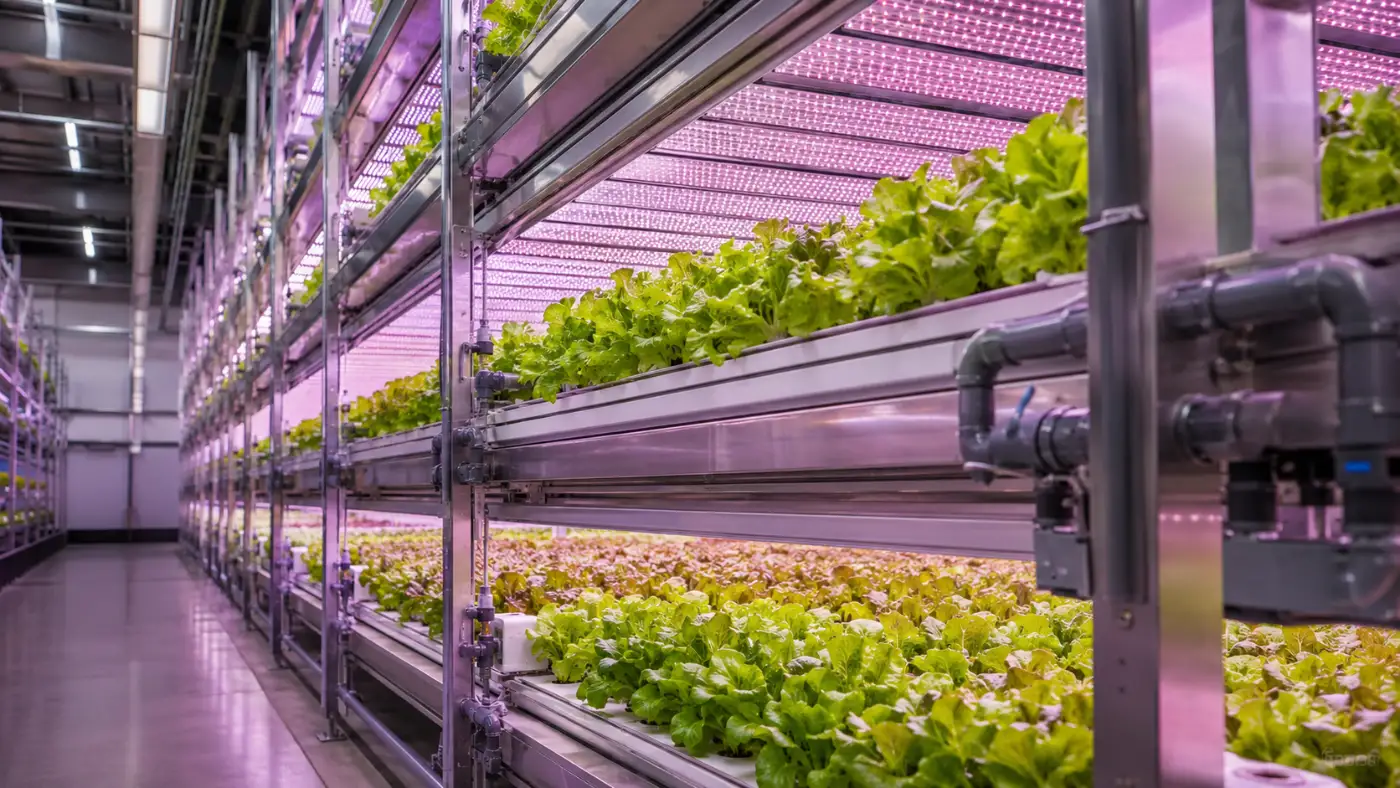
Global Vertical Farming Market Growth — Forecasts Point to Consolidation
- What happened: The global vertical farming market was valued at approximately $7 billion in 2025 and is projected to double by 2030. Europe's vertical farming sector specifically valued at USD 10.6 billion in 2025, with estimates to reach USD 12.8 billion in 2026 and expand to USD 73.7 billion by 2035—a 21.4% compound annual growth rate.
- Why it matters: Market expansion signals sustained investor confidence and operator scaling despite recent bankruptcies and restructurings. The trajectory supports consolidation among profitable operators while incentivizing new entrants in underserved geographies, particularly Europe and Asia.
- Key players: European operators; Asian expansion plays; venture-backed U.S. firms; established greenhouse operators pivoting to CEA.
Agriculture Funding Landscape — 51 New Opportunities in Q3 2026
- What happened: July 2026 opened with 51 new funding opportunities across agriculture, climate, and food systems. Funding emphasis has shifted toward small and medium enterprises (SMEs) over NGOs, community-led initiatives over intermediated programs, and strategically autonomous projects over open-innovation models.
- Why it matters: Capital allocation patterns reveal funder appetite for vertically integrated, independent operators with direct market access rather than technology platforms or shared-services models. This favors nimble farm operators over equipment vendors.
- Key players: Impact investors; government grant programs; private equity focused on food security.

Technology & Research Highlights
-
Spinach Yield Advantage in Hydroponics: Meta-analysis of vegetable crop yields shows the greatest productivity difference between hydroponic and soil-based agriculture in spinach cultivation, with hydroponic yields reaching 2.7 kg/m² per year compared to significantly lower soil-based production. This underscores the efficiency gain for leafy green producers adopting vertical systems.
-
IoT and AI-Driven CEA Integration: Recent research confirms that vertical farming systems enhanced with Internet of Things (IoT) sensors and artificial intelligence-driven environmental controls can substantially improve yield consistency, reduce nutrient waste, and optimize light spectrum allocation across multiple crop cycles. Hydroponic and aeroponic systems stacked vertically create additional growing space without soil, enabling large-scale production with higher yields per unit land area.
Commercial Deployments & Facility Moves
- 80 Acres Farms Acquisition: 80 Acres Farms expanded its operational footprint by acquiring three indoor vertical farms and associated intellectual property previously owned by Kalera, Inc. The transaction positioned the operator to consolidate proprietary growing systems and leverage IP synergies across a growing farm network.

Policy, Sustainability & Market Data
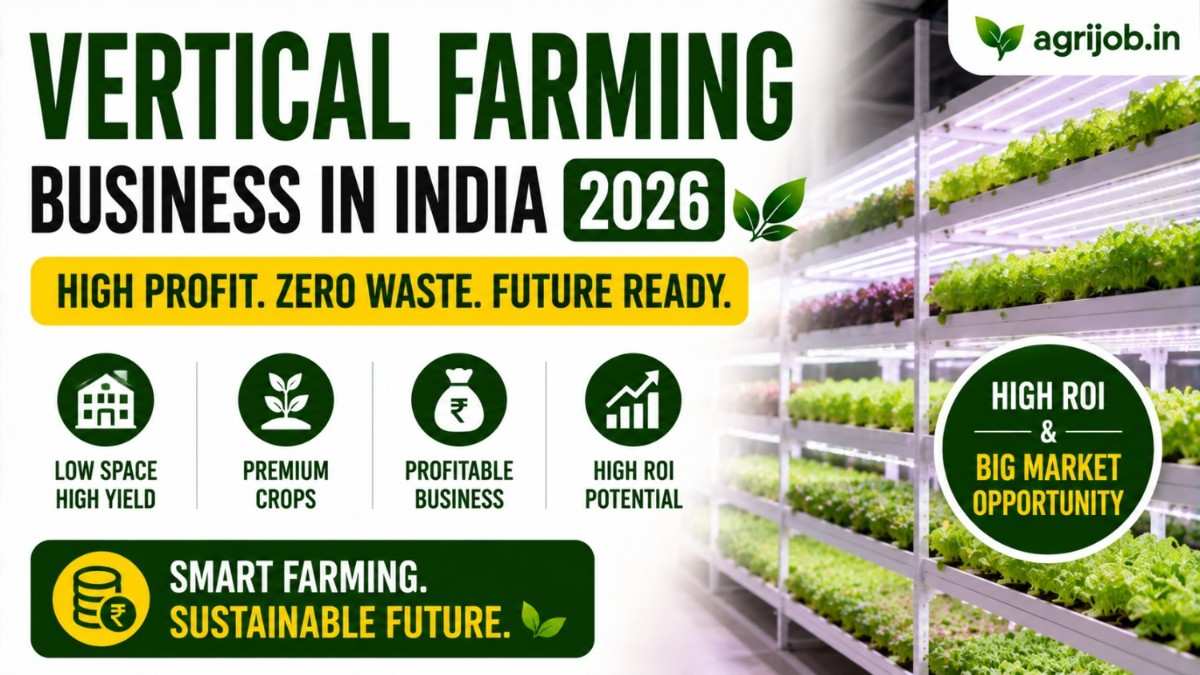
- India Vertical Farming Subsidy & ROI: India's government offers 40–50% subsidy for vertical farming setup costs, which range from Rs. 5 lakh to Rs. 1.5 crore depending on system scale. Top crops generate Rs. 1 lakh+ per month, with return on investment timelines of 14–36 months. India's vertical farming market is projected to reach Rs. 16,050 crore by 2033, reflecting strong domestic policy support and growth appetite.
Comparative Snapshot
| Company/Project | Location | Crop Focus | Tech Approach | Notable Metric |
|---|---|---|---|---|
| 80 Acres Farms | Multi-site (U.S.) | Leafy greens | Vertical/Hydroponic | Acquired 3 farms + Kalera IP |
| European operators (aggregate) | Europe-wide | Mixed (greens, berries) | Vertical/Aeroponic | 21.4% CAGR through 2035 |
| Indian vertical farms | India | Chilli, greens | Vertical/Hydroponic | 40–50% govt. subsidy; 14–36 mo. ROI |
What to Watch Next
- Q3/Q4 2026 harvest cycles: Monitor whether the Cyclospora crisis drives measurable demand shift toward vertically farmed leafy greens, particularly in foodservice and retail channels sensitive to food safety recalls.
- European expansion announcements: Watch for facility openings and funding rounds from European operators capitalizing on the 21.4% CAGR and EU food security mandates.
- Vertical farming profitability turning point: Track quarterly earnings from public and venture-backed operators to gauge whether energy costs and automation have reached break-even thresholds for consistent positive unit economics.
Reader Action Items
- For operators and investors: The Cyclospora outbreak has created a 6–12 month market window for premium pricing on safety-certified CEA leafy greens; prioritize food safety certifications and supply contracts with retailers and QSRs sensitive to contamination risk.
- For urban planners and municipalities: Integrate vertical farming infrastructure into food resilience strategies; the European 21.4% CAGR and U.S. funding shift toward SMEs suggest local and regional CEA operators are becoming viable partners for food security.
- For researchers and hobbyist growers: The meta-analysis showing 2.7 kg/m²·year spinach yields in hydroponics vs. soil provides a practical baseline; experiment with spinach, lettuce, and herbs in small-scale systems to validate energy-to-yield ratios in your climate.
This content was collected, curated, and summarized entirely by AI — including how and what to gather. It may contain inaccuracies. Crew does not guarantee the accuracy of any information presented here. Always verify facts on your own before acting on them. Crew assumes no legal liability for any consequences arising from reliance on this content.
Powered by
