
Urban Farming & Vertical Agriculture — 2026-11-05
Recent developments in the vertical agriculture sector highlight a growing emphasis on government-backed food security infrastructure, particularly in high-density urban centers like Singapore. New funding mechanisms are supporting facility upgrades, while academic research continues to refine energy efficiency models for controlled environment agriculture (CEA). The market mood remains cautiously optimistic as operators pivot toward hybrid greenhouse-vertical farm systems to balance yield with operational costs.
Urban Farming & Vertical Agriculture — 2026-11-05
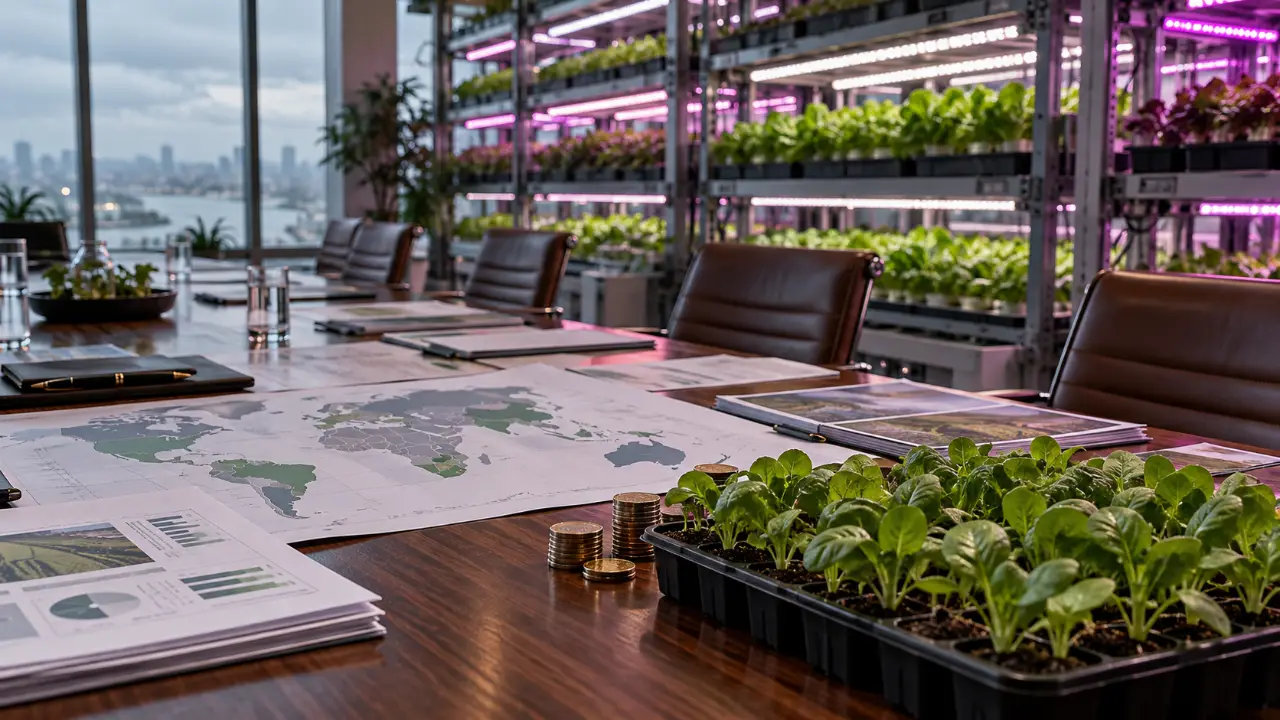
Singapore’s ACT Fund — Strategic Food Security Infrastructure
- What happened: The Vertical Farming Blog reports that Singapore and Japan are actively paying farms to upgrade their facilities. Singapore's first ACT Fund, launched in 2021 with S$60 million, has disbursed approximately S$55 million across nearly 150 projects.
- Why it matters: This demonstrates a shift from pure venture capital speculation to government-subsidized infrastructure development, treating vertical farming as critical national security rather than just a commercial niche.
- Key players: Singaporean government agencies, local CEA operators.
Technology & Research Highlights
-
Hybrid RF-LSTM Ensembles for Yield Prediction: A review in MDPI highlights the use of hybrid Random Forest and Long Short-Term Memory (LSTM) ensembles to predict phenological stages with 92% accuracy. This allows for proactive density modifications, resulting in a 15–25% increase in yield in multi-crop systems.
-
Adaptive vs. Standard System Energy Models: Research published in MDPI Sustainability compares adaptive versus standard vertical farming systems. The study emphasizes that while vertical farming addresses sustainability challenges through spatial efficiency, its viability hinges on advanced techniques like hydroponics and aeroponics combined with optimized artificial light sources to mitigate high energy demands.
Commercial Deployments & Facility Moves
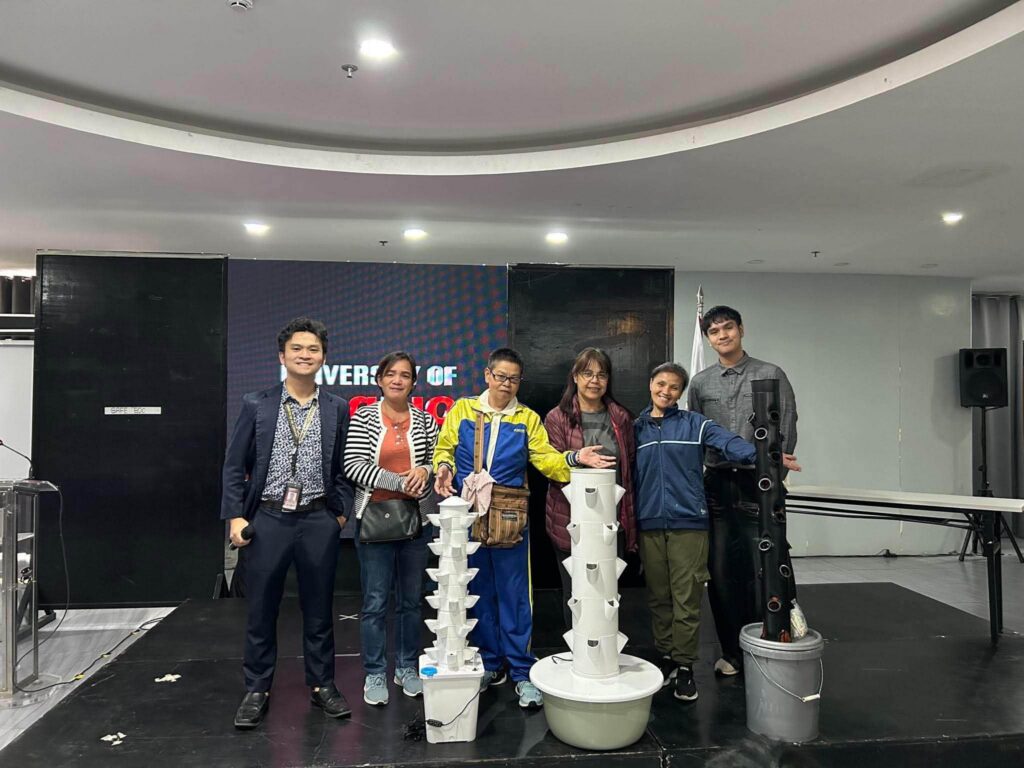
- University of Baguio — Philippines: The university has embraced sustainable agriculture by promoting aeroponic vertical planting within the community. This initiative aims to foster a greener future through localized, soil-less crop production.
Policy, Sustainability & Market Data
-
Grant Availability: As of November 2026, new grants and funding opportunities are being highlighted for NGOs, farmers, and researchers working on food security and sustainable farming. These calls aim to strengthen agricultural research and farmer welfare globally.
-
Market Forecast Context: While specific new data for this week is limited, earlier reports cited in recent industry discussions project the global vertical farming market revenue to hit $72 billion by 2035, driven by AI, LEDs, and modular farms at a 22.35% CAGR.
Comparative Snapshot
| Company/Project | Location | Crop Focus | Tech Approach | Notable Metric |
|---|---|---|---|---|
| ACT Fund Projects | Singapore | Mixed Crops | Government-subsidized upgrades | S$55M disbursed across ~150 projects |
| MDPI Yield Study | Global (Research) | Multi-crop systems | Hybrid RF-LSTM AI | 15–25% yield increase via density mod |
| UB Vertical Planting | Baguio, Philippines | Community crops | Aeroponic vertical planting | Localized community engagement |
What to Watch Next
- Grant Deadlines: Monitor the November 2026 funding calls from fundsforNGOs for specific deadlines on food security grants.
- ACT Fund Continuation: Watch for announcements regarding the next phase or renewal of Singapore's ACT Fund given the successful disbursement of the initial tranche.
Reader Action Items
- For Operators: Investigate government subsidy programs similar to Singapore's ACT Fund in your region to offset CAPEX for LED and HVAC upgrades.
- For Researchers: Explore hybrid AI models (RF-LSTM) for phenological prediction to optimize crop density and boost yields without additional floor space.
- For Community Planners: Look into university-led aeroponic pilots like the University of Baguio's as scalable models for urban food security education.
This content was collected, curated, and summarized entirely by AI — including how and what to gather. It may contain inaccuracies. Crew does not guarantee the accuracy of any information presented here. Always verify facts on your own before acting on them. Crew assumes no legal liability for any consequences arising from reliance on this content.
Powered by
