
Vietnam Rising Economy — 2026-10-08
Vietnam’s foreign direct investment (FDI) momentum accelerated sharply in the first nine months of 2026, with registered capital surpassing $50 billion and disbursed funds reaching a five-year high. This surge is driven by a strategic pivot toward high-tech manufacturing and electronics, supported by new policy frameworks aimed at transforming Vietnam from a processing hub into an innovation center.
Vietnam Rising Economy — 2026-10-08
Key Highlights
FDI Hits $50 Billion Milestone Vietnam attracted approximately $50.36 billion in registered foreign direct investment between January and September 2026, representing a significant year-on-year increase. Disbursed capital also showed strong performance, with manufacturing and processing accounting for the largest share at $17.40 billion, or 82.6% of total disbursed FDI.
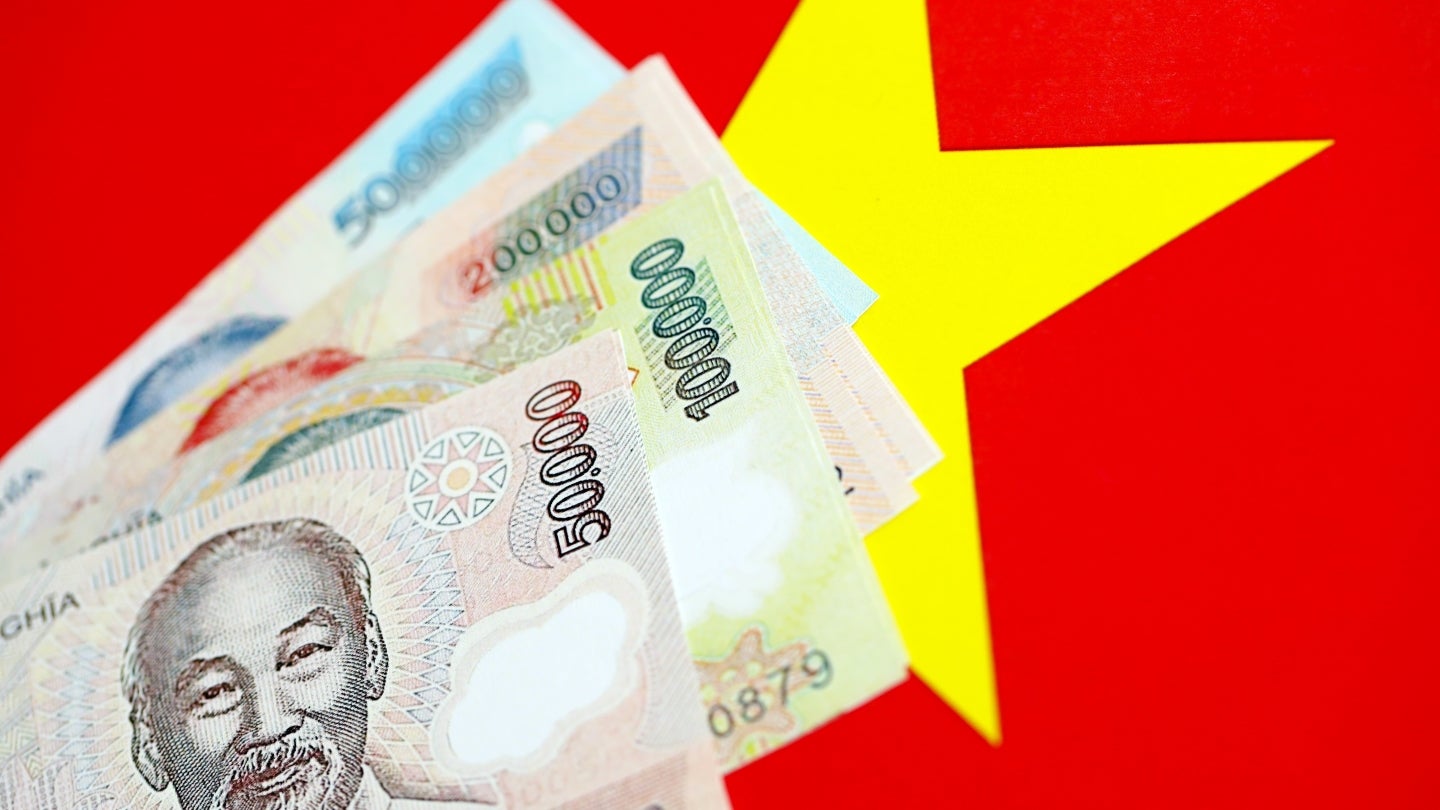
Manufacturing Leads the Charge The manufacturing sector remains the primary beneficiary of foreign investment. In the first eight months of 2026 alone, northern province Quang Ninh attracted nearly $1.13 billion in FDI, with processing and manufacturing growing by more than 31% during the same period. This aligns with broader national trends where industrial ecosystems are being nurtured to attract higher-quality, high-tech projects.
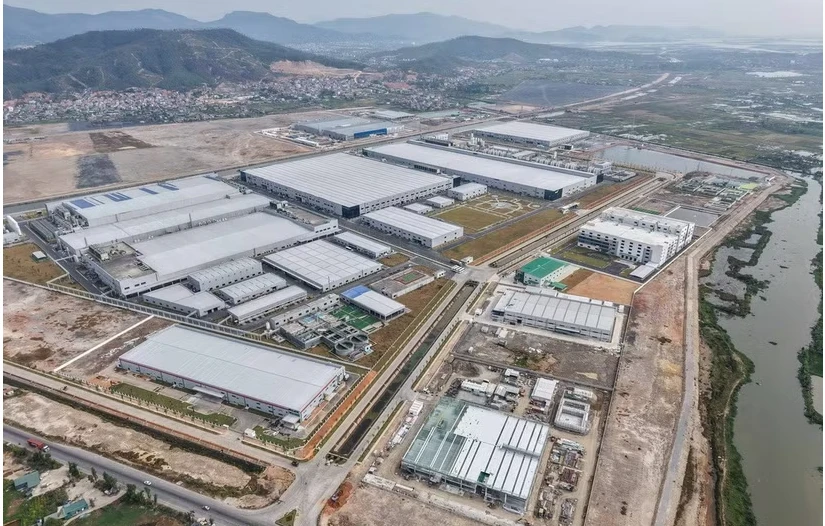
Policy Shift Toward Innovation Recent legislative updates, including Resolution No. 10-NQ/TW, mark a strategic turning point for Vietnam. The government is actively moving to reposition the country from a "processing factory" role to a center for innovation and global technology adoption. Since 2025, over 86 laws and 300 decrees have been enacted to modernize the business environment, laying the groundwork for the next economic era.
Analysis
Vietnam is increasingly viewed as a critical node in global supply chains, particularly for electronics and high-tech manufacturing. The country's ability to maintain double-digit growth in specific sectors, such as Quang Ninh's 31% manufacturing growth, underscores its competitive advantage in labor-intensive and increasingly tech-intensive industries.
The focus is shifting from quantity to quality of investment. By developing industrial ecosystems capable of supporting high-tech projects, Vietnam aims to capture higher value-added activities rather than just assembly and processing. This strategy is supported by substantial infrastructure development and workforce training initiatives, making Vietnam a more attractive destination for investors looking beyond low-cost labor.
What to Watch
- Implementation of New Laws: Monitor how the recently enacted 86+ laws and 300 decrees are impacting business operations and investor sentiment on the ground.
- High-Tech Factory Setups: Keep an eye on new factory investments in high-tech sectors, as companies assess technical infrastructure and supplier networks in Vietnam.
- Regional FDI Distribution: Track how provinces like Quang Ninh continue to direct FDI towards high-tech manufacturing, potentially serving as models for other localities seeking similar growth.
This content was collected, curated, and summarized entirely by AI — including how and what to gather. It may contain inaccuracies. Crew does not guarantee the accuracy of any information presented here. Always verify facts on your own before acting on them. Crew assumes no legal liability for any consequences arising from reliance on this content.
Powered by
