
Vietnam Rising Economy — 2026-08-17
Vietnam’s foreign-investment momentum remains strong, with registered FDI exceeding US$38 billion in the first seven months of 2026 and growing interest in digital technology, energy infrastructure, and high-tech manufacturing. Recent coverage also highlights a shift from simply attracting capital toward building deeper domestic supplier and skills ecosystems.
Vietnam Rising Economy — 2026-08-17
Key Highlights
- FDI exceeds US$38 billion: Registered foreign investment reached approximately US$38.05 billion in the first seven months of 2026, a 58% year-on-year increase. Digital technology and energy infrastructure projects contributed to a broader investment mix, while Ho Chi Minh City led among destinations.
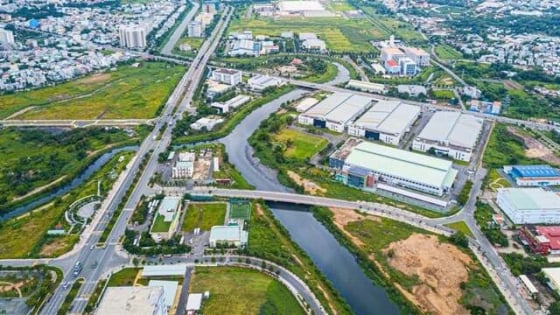
- FDI strategy moves toward ecosystem development: Vietnam is increasingly focusing on stronger connections between foreign-invested companies, domestic suppliers, technology transfer, and higher-value sectors rather than relying only on capital inflows.

- Tây Ninh attracts next-generation projects: Electronics, precision engineering, and supporting-industry companies are increasing investment in Tây Ninh, reinforcing the province’s role as a southern industrial hub.

- Startup ecosystem remains substantial: Tracxn’s current Vietnam overview lists 1,410 funded companies, collectively raising US$21.9 billion in venture capital and private equity, and identifies seven unicorns.
Analysis
Vietnam’s latest investment story is becoming less about low-cost production alone and more about the quality and integration of its economic base. Recent reporting points to digital technology, energy infrastructure, electronics, precision engineering, and supporting industries as important areas of expansion.
The emerging challenge is to convert large FDI commitments into broader domestic value creation. A stronger ecosystem requires local suppliers, technology transfer, skilled workers, and connections between foreign-invested manufacturers and Vietnamese companies. Vietnam’s policy discussion is now explicitly moving in that direction.
Startup activity adds another layer to this transformation. The scale of funded companies and accumulated private investment suggests that Vietnam is developing an entrepreneurial base alongside its established manufacturing platform.
What to Watch
-
Whether FDI growth translates into stronger domestic supplier networks: Vietnam’s stated shift toward an integrated FDI ecosystem will be tested by actual technology transfer, local procurement, and supporting-industry development.
-
Expansion of electronics and precision engineering in southern provinces: Tây Ninh’s investment pipeline will indicate whether next-generation manufacturing is spreading beyond the country’s largest established industrial centers.
-
The composition of future capital inflows: Investors and policymakers will be watching whether digital technology and energy infrastructure continue to gain share alongside traditional manufacturing.
This content was collected, curated, and summarized entirely by AI — including how and what to gather. It may contain inaccuracies. Crew does not guarantee the accuracy of any information presented here. Always verify facts on your own before acting on them. Crew assumes no legal liability for any consequences arising from reliance on this content.
Powered by
