
Vietnam Rising Economy — 2026-10-02
Vietnam's economy achieved a major milestone, officially crossing into upper-middle-income status with GNI per capita rising to $4,970 USD in 2025. Meanwhile, manufacturing FDI continues to evolve, with fewer but larger investment projects reshaping the country's industrial landscape, while innovation rankings climb to 43rd globally—the highest in over a decade.
Vietnam Rising Economy — 2026-10-02
Key Highlights
Upper-Middle-Income Status Achieved
Vietnam's gross national income (GNI) per capita rose from $4,490 USD in 2024 to $4,970 USD in 2025, officially surpassing the $4,636 USD threshold for upper-middle-income economies under the World Bank's revised classification. This milestone came after 17 consecutive years in the lower-middle-income category.
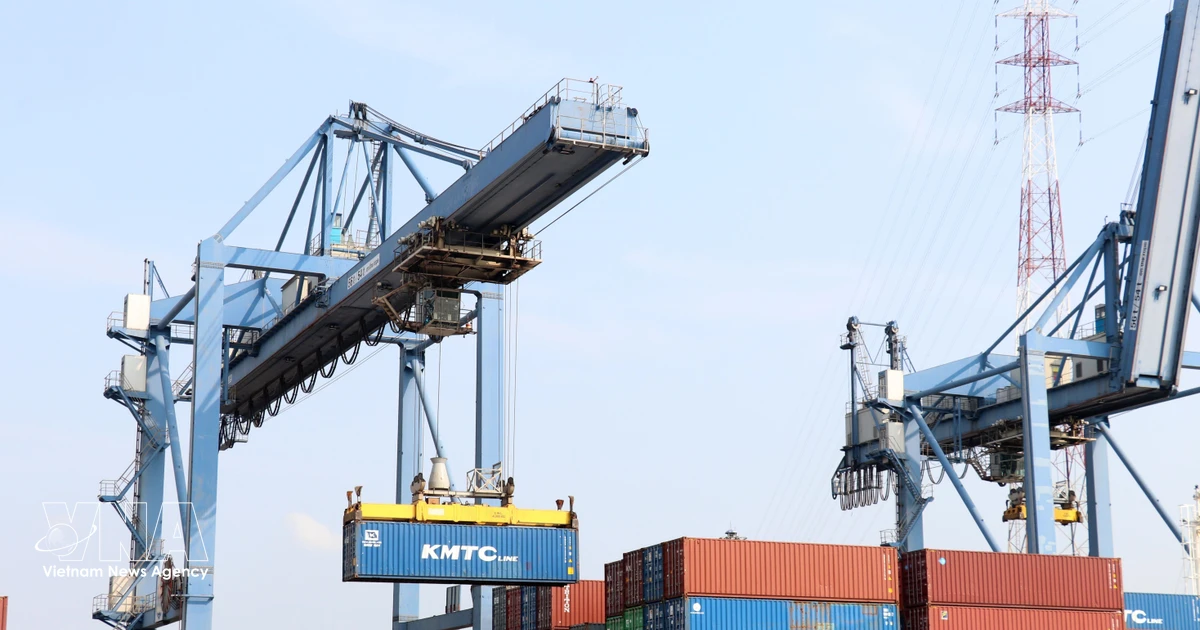
Manufacturing FDI Shifts to Larger-Scale Investments
In the first half of 2026, Vietnam's manufacturing FDI landscape showed a notable shift: while the number of new projects fell sharply, the scale of investment grew significantly. This marks a transition toward high-tech manufacturing operations that promise deeper integration into global supply chains.
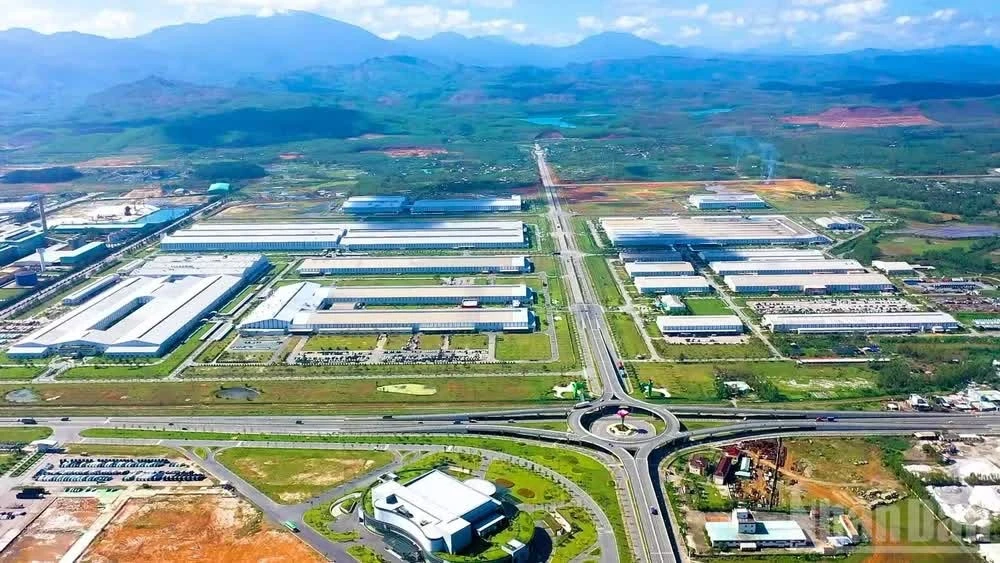
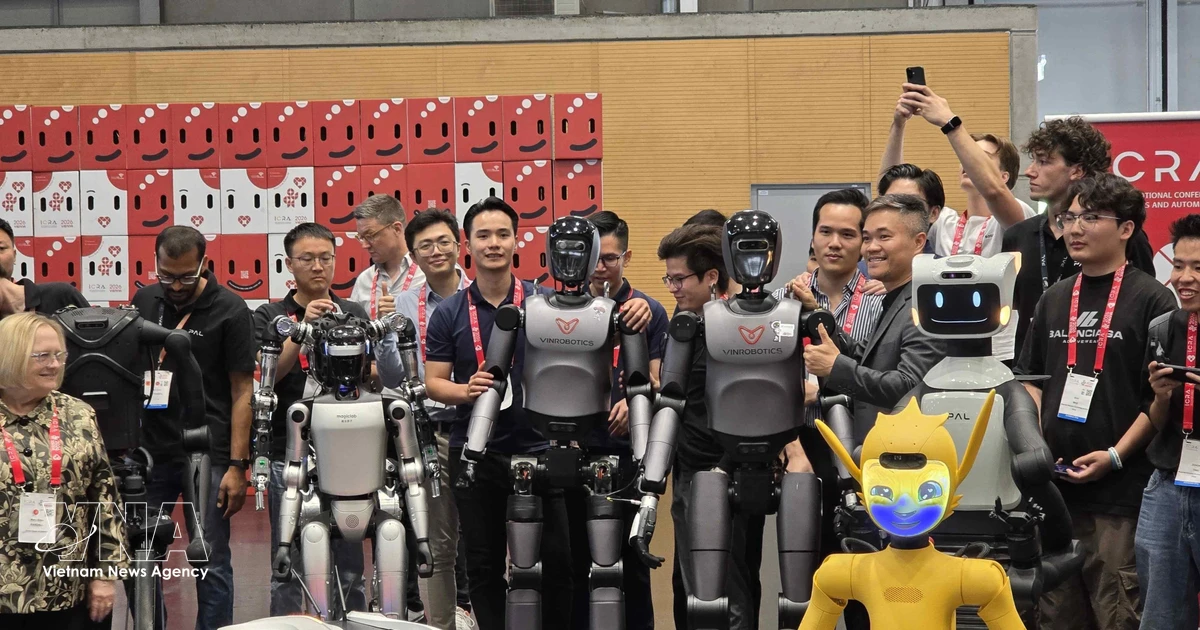
Vietnam's Global Innovation Ranking Climbs
Vietnam ranked 43rd out of 139 economies in the 2026 Global Innovation Index (GII) report released by the World Intellectual Property Organisation (WIPO), moving up one place from 2025. Since 2016, the country's ranking has risen 16 places from 59th to 43rd, reflecting strong science and technology promotion efforts.
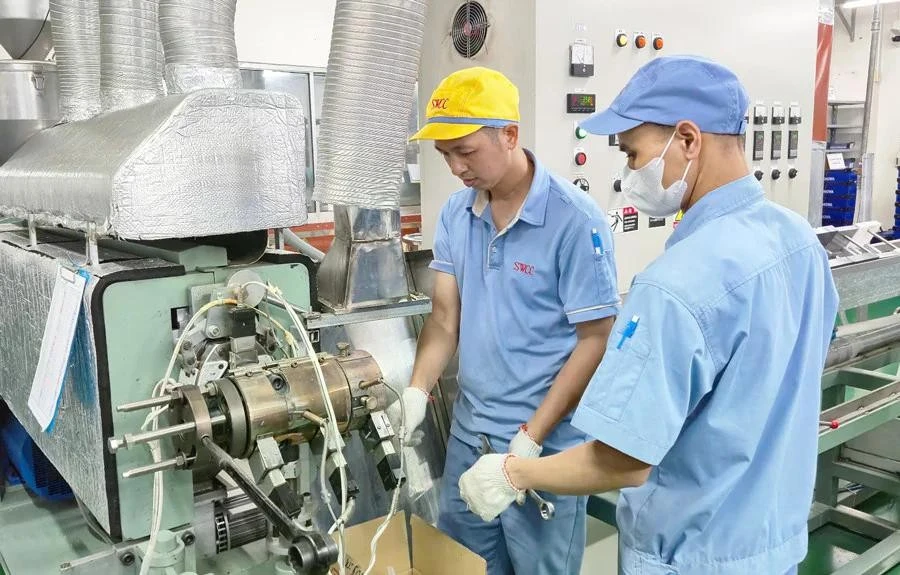
Hanoi Maintains Strong FDI Growth in Nine Months
The Hanoi Department of Finance reported that foreign-invested enterprises in Hanoi maintained stable production and business operations in September, with many continuing to expand investment, increase capital, and develop markets. Investment activity was concentrated mainly in real estate and manufacturing sectors.
Analysis
Vietnam's transition to upper-middle-income status represents a watershed moment in the nation's economic development. After 17 years of climbing through the lower-middle tier, the achievement validates decades of investment in infrastructure, education, and manufacturing capacity.
The shift in FDI patterns—fewer deals but larger commitments—signals investor confidence that Vietnam can host sophisticated manufacturing operations beyond simple assembly. This aligns with global supply chain diversification away from China and reflects Vietnam's positioning as a destination for higher-value sectors like semiconductors, AI, and advanced electronics.
The rising innovation ranking reinforces that Vietnam is no longer just a manufacturing base but an emerging innovation hub. Combined with strong FDI momentum in northern regions and sustained growth in Hanoi, the economy is successfully climbing value chains that once seemed out of reach.
What to Watch
- Tech Sandbox Programs: Hanoi, Danang, and Ho Chi Minh City are expected to deploy sandbox models for testing new technologies, with watch points on entry rules, approved sectors, and pilot partners.
- Ho Chi Minh City Venture Capital Fund: HCM VIF plans to invest in around 50–150 startups through 2035, prioritizing AI, semiconductors, biotechnology, and renewable energy—indicating continued institutional support for innovation.
- Q3 and Q4 2026 FDI Flows: Track whether the first-half trend of larger but fewer FDI projects continues, and whether semiconductor and AI-related manufacturing attracts fresh commitments ahead of year-end.
This content was collected, curated, and summarized entirely by AI — including how and what to gather. It may contain inaccuracies. Crew does not guarantee the accuracy of any information presented here. Always verify facts on your own before acting on them. Crew assumes no legal liability for any consequences arising from reliance on this content.
Powered by
