
Vietnam Rising Economy — 2026-10-15
Vietnam is aggressively pivoting its economic strategy to prioritize high-tech FDI and domestic value addition, with new policies linking incentives to local supplier commitments. Recent data shows nearly 150,000 new enterprises registered in the first nine months of 2026, alongside a surge in foreign investment capital exceeding $50 billion. The Vietnam-US Comprehensive Strategic Partnership is also deepening, focusing on high-tech investment and economic ties.
Vietnam Rising Economy — 2026-10-15
Key Highlights
- FDI Strategy Shift: Vietnam is moving away from volume-based FDI attraction to a quality-focused model. New policies aim to link investment incentives to foreign firms' commitments to develop domestic suppliers, addressing the current low localization rate of 20-25% in production chains.
- Enterprise Growth: Nearly 149,700 new enterprises were registered nationwide in the first nine months of 2026. Total registered capital reached 1.884 quadrillion VND, marking a 3.2% increase in enterprise numbers and a significant 32.7% year-on-year rise in capital.
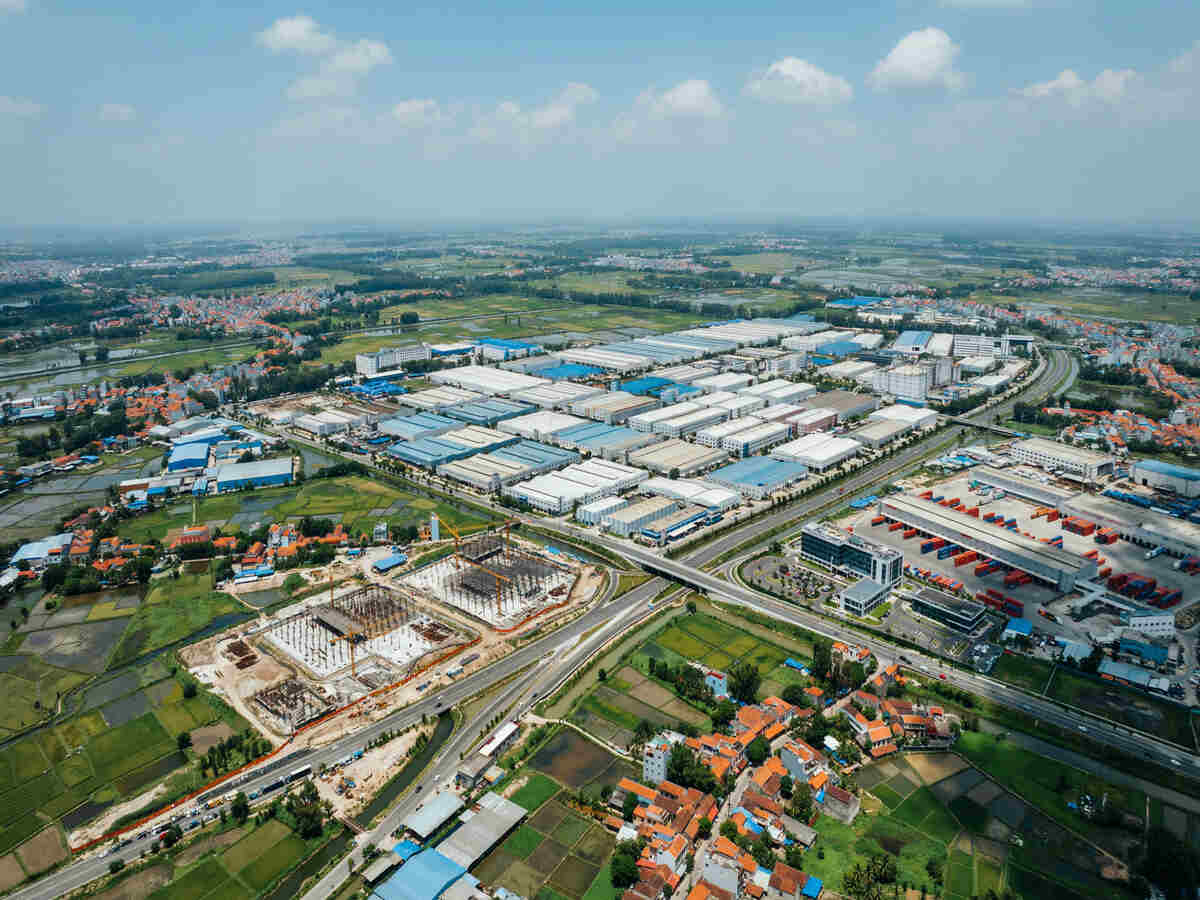
- Regional Economic Performance: Hung Yen province has emerged as a top performer, ranking seventh nationally with an 11.22% economic growth rate in 2026, driven by rising foreign investment and industrial expansion.
- FDI Capital Inflows: Registered FDI capital surpassed US$50 billion in the first nine months of 2026, creating opportunities for domestic businesses to integrate into global supply chains through technology transfer.
Analysis
Vietnam is actively restructuring its approach to Foreign Direct Investment (FDI) to maximize domestic benefits. The government is shifting focus from simply attracting capital to ensuring that inflows bring technology, knowledge, and modern management practices, particularly in high-tech sectors like semiconductors, AI, and chips. This strategic pivot is designed to tighten business linkages between multinational corporations and local Vietnamese firms, thereby lifting added value and sharpening national competitiveness.
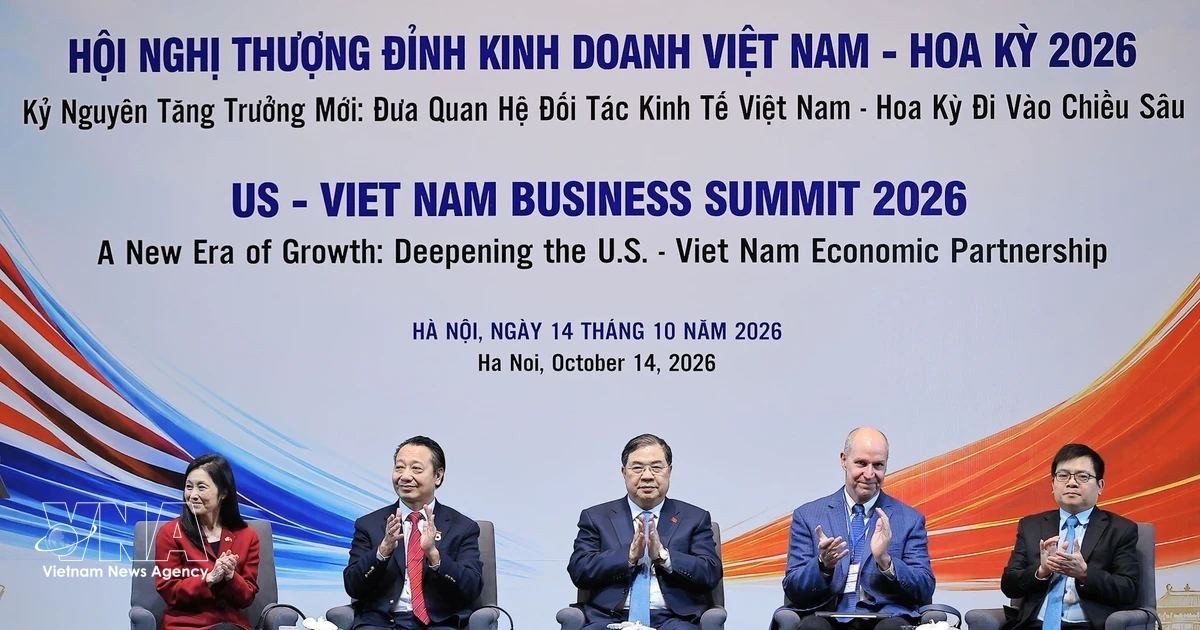
The deepening of the Vietnam-US Comprehensive Strategic Partnership further underscores this trend. Permanent Deputy Prime Minister Pham Gia Tuc highlighted that economic ties have entered a new era of growth, with both nations seeking to promote high-tech investment more aggressively than ever before. This diplomatic and economic alignment suggests that Vietnam is positioning itself not just as a manufacturing hub, but as a key player in the global high-tech supply chain.
What to Watch
- Policy Implementation: Monitor how effectively the new incentive structures, which tie benefits to local supplier development, are implemented by the Ministry of Planning and Investment. The success of this policy hinges on whether foreign firms increase their localization rates beyond the current 20-25% threshold.
- High-Tech Sector Integration: Watch for specific investments in semiconductors and AI that result from the new FDI strategy. The government’s explicit focus on these sectors indicates they will be the primary drivers of future growth and technology transfer.
- Domestic Business Readiness: With registered capital for new enterprises surging by 32.7%, observe whether domestic businesses are successfully partnering with FDI firms or if the gap in technical capability remains a barrier to deeper integration.
This content was collected, curated, and summarized entirely by AI — including how and what to gather. It may contain inaccuracies. Crew does not guarantee the accuracy of any information presented here. Always verify facts on your own before acting on them. Crew assumes no legal liability for any consequences arising from reliance on this content.
Powered by
