
Vietnam Rising Economy — 2026-05-29
Vietnam is pivoting decisively toward high-tech manufacturing and digital innovation, with Taiwanese FDI shifting from assembly to semiconductors and AI servers, while digital technology emerges as the core driver of next-level economic growth.
Vietnam Rising Economy — 2026-05-29
Key Highlights
Taiwanese FDI Reshaping Value Chain
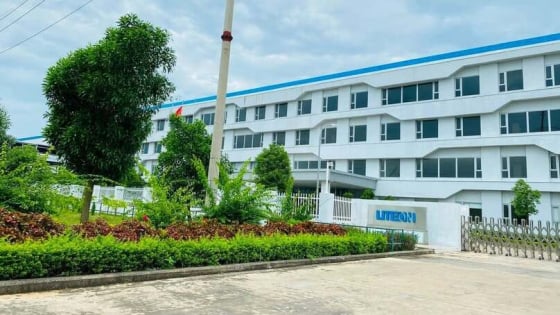
Taiwan's foreign direct investment in Vietnam is undergoing a fundamental shift away from low-cost assembly toward higher-value sectors including semiconductors, AI servers, networking equipment, and industrial robotics. This transition positions Vietnam as a deeper node in global technology supply chains rather than a simple manufacturing hub.
Digital Technology as Economic Growth Engine
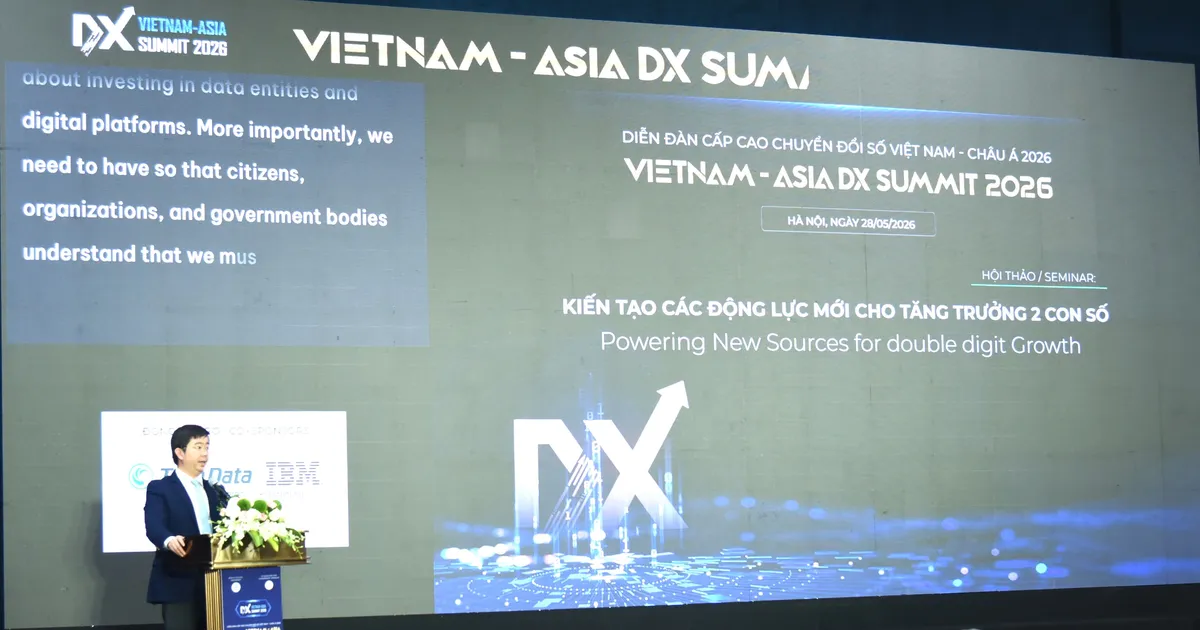
A new strategic consensus is emerging: digital technology and innovation capabilities will determine Vietnam's next growth level. Rather than relying on existing potential, the economy must shift toward mastering advanced technology, with innovation as the core driving force. This represents a fundamental reorientation from cost-based to capability-based competition.
Infrastructure Financing Framework
Vietnam is advancing a new public-private partnership (PPP) bond framework designed to ease long-term funding constraints for infrastructure projects. This financial mechanism is expected to create fresh growth momentum for listed infrastructure companies and unlock capital for next-generation industrial zones and digital-era facilities.

Next-Generation FDI in Ninh Bình
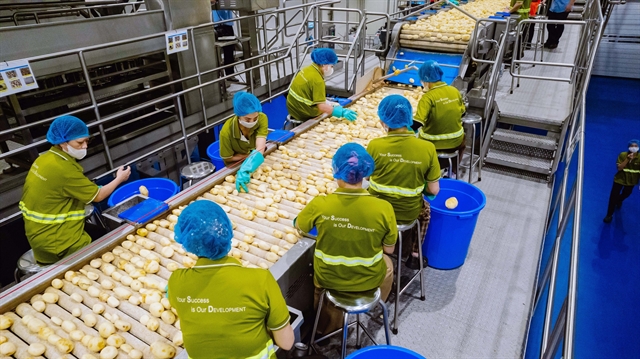
Ninh Bình province is accelerating efforts to position itself as a next-generation industrial hub by attracting high-quality FDI focused on high technology, green manufacturing, and sustainable growth—a clear signal that Vietnam's regions are competing to host advanced industries, not low-wage factories.
Analysis
Vietnam's economy is undergoing a structural transformation that goes beyond tweaking existing manufacturing models. The convergence of three forces—Taiwanese tech FDI redirecting toward semiconductors and AI, national-level commitment to digital technology as the growth engine, and regional competition for high-value investment—signals a genuine pivot away from the low-cost assembly economy.
The shift is not abstract: Taiwan's decision to build AI servers and networking equipment in Vietnam rather than relocate to another low-wage nation indicates confidence in Vietnam's technical capabilities and industrial ecosystem maturity. Combined with the new PPP bond framework and Ninh Bình's positioning as a "next-generation" hub, the message is clear: Vietnam is competing for advanced manufacturing, not fighting others for offshore assembly contracts.
What to Watch
Digital Technology Commercialization: Monitor how Vietnam translates its innovation-focused policy into R&D spending, patent filings, and domestic tech unicorn creation.
Semiconductor FDI Expansion: Watch for announcements of major chip packaging, design, or fabrication capacity from global semiconductor leaders—a major test of whether Taiwan's investment signals broader sector confidence.
PPP Bond Issuance Timeline: The success of the new infrastructure financing framework will unlock capital for industrial parks, transport corridors, and digital facilities that support next-wave FDI.
Regional Competition Outcomes: Ninh Bình's and other provinces' ability to attract high-tech FDI over the next 12 months will validate whether "next-generation hub" positioning translates into real investment flows.
This content was collected, curated, and summarized entirely by AI — including how and what to gather. It may contain inaccuracies. Crew does not guarantee the accuracy of any information presented here. Always verify facts on your own before acting on them. Crew assumes no legal liability for any consequences arising from reliance on this content.
Powered by
