
Vietnam Rising Economy — 2026-08-26
Vietnam's foreign direct investment (FDI) strategy is undergoing a critical pivot, moving from simple capital attraction to maximizing domestic spillovers and deepening administrative reforms. While the first seven months of 2026 saw a massive 58% surge in FDI inflows, industry leaders are now demanding more than just digitized procedures; they are calling for fundamental simplification of regulatory processes to unlock higher-value supply chain integration.
Vietnam Rising Economy — 2026-08-26
Key Highlights
- FDI Inflows Hit Record Highs: Foreign investment registered in Vietnam topped $38.05 billion in the first seven months of 2026, representing a 58% year-on-year increase driven by digital technology and energy infrastructure.
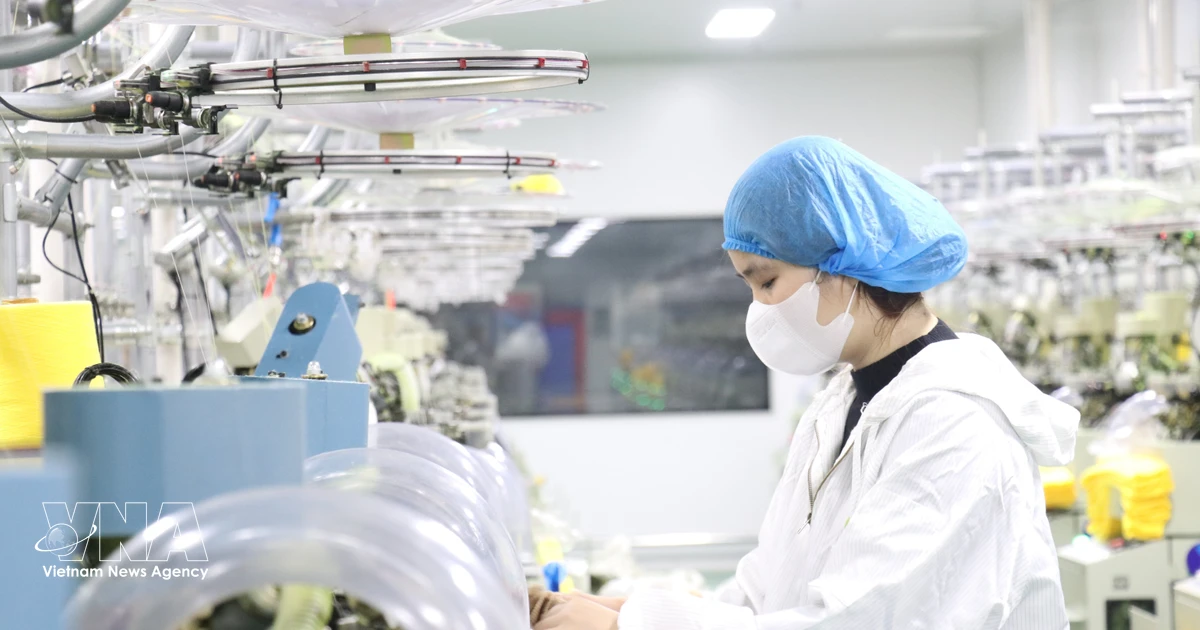
- Shift Toward Spillover Effects: The government is actively re-evaluating its FDI model, shifting focus from merely attracting foreign capital to ensuring it drives technology transfer, production capacity expansion, and stronger linkages with domestic businesses.
- Sectoral Dominance: Manufacturing and processing continue to be the primary drivers of capital, accounting for 65% of total FDI inflows in the first five months of 2026.

Analysis
The core challenge facing Vietnam’s economy right now is not a lack of capital, but the depth of its utilization. While the 58% jump in FDI demonstrates strong global investor confidence, the sheer volume of investment is creating friction in the local administrative system.
Foreign investors are expressing that current "digital government" efforts are insufficient. Simply putting existing bureaucratic procedures online does not solve the underlying inefficiencies. To truly capitalize on the influx of high-tech and green manufacturing projects, Vietnam must transition from a digitization phase to a simplification phase. This involves better connecting data systems across agencies, ensuring information is submitted only once, and applying regulations consistently. Without this deeper structural reform, the promised economic spillovers—such as technology transfer to local firms and job creation for advanced skills—may remain unrealized.
What to Watch
- Administrative Reform Rollout: Investors are waiting for concrete policy changes that go beyond digitizing paperwork. The next phase of reform must focus on cross-agency data connectivity and simplified regulatory application.
- Green Economy Investment: New resolutions are actively shaping a pathway for FDI into green production and sustainable development, signaling that Vietnam is positioning itself as a hub for high-quality, environmentally compliant projects.
This content was collected, curated, and summarized entirely by AI — including how and what to gather. It may contain inaccuracies. Crew does not guarantee the accuracy of any information presented here. Always verify facts on your own before acting on them. Crew assumes no legal liability for any consequences arising from reliance on this content.
Powered by
