
Vietnam Rising Economy — 2026-06-29
Vietnam is shifting beyond low-cost manufacturing toward higher-value sectors in global supply chains, with foreign investors increasingly targeting semiconductors, high-tech electronics, and AI capabilities. The OECD and industry experts highlight that Vietnam's future growth depends on attracting quality FDI that drives innovation, technology transfer, and skilled employment rather than relying on labor cost advantages alone.
Vietnam Rising Economy — 2026-06-29
Key Highlights
Vietnam Moves Beyond Production Hub
Speaking to French business media BFM Business, Mickaël Driol, CEO of Mekong Partners, emphasized that Vietnam is emerging as a "higher-value link in global value chains" amid ongoing trade tensions and supply chain diversification. As multinational companies reassess their manufacturing footprints, Vietnam is capturing increased interest—but the nature of that investment is changing.
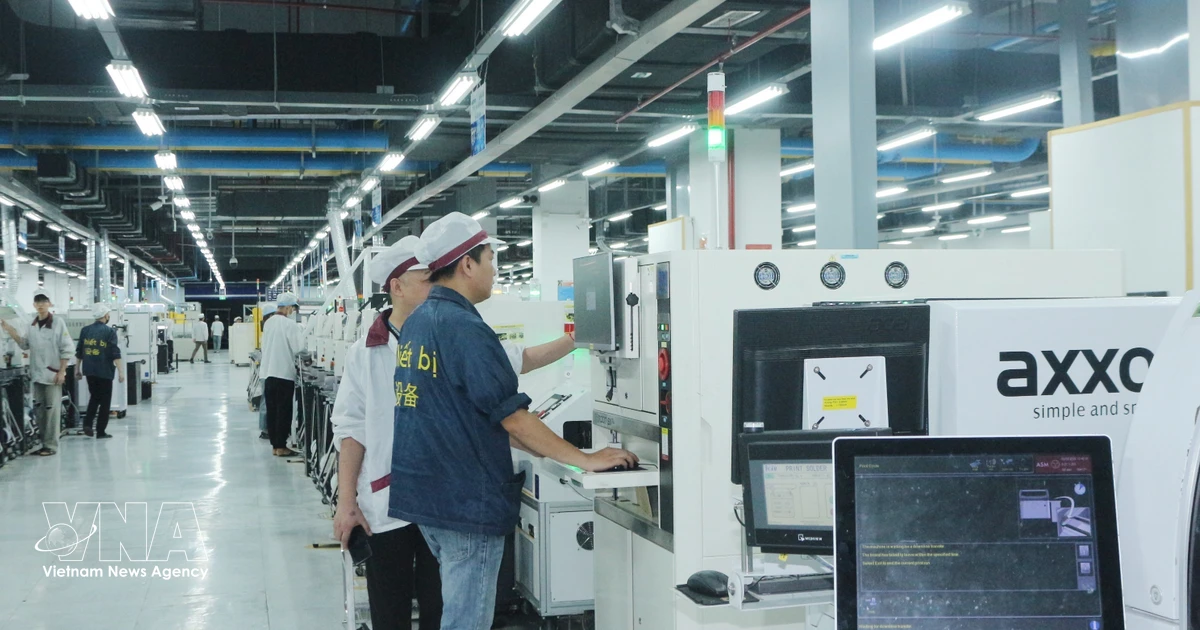
OECD Maps Road to High-Income Growth Through Quality FDI
The OECD's FDI Qualities Review of Vietnam concludes that while foreign investment has powered the country's economic rise, future prosperity depends on attracting high-quality FDI. This must prioritize innovation, skilled job creation, technology transfer, digital transformation, and green development—moving beyond the low-cost labor model that dominated previous decades.

Vietnam's Supporting Industry Strategy 2026–2035
Vietnam has launched a comprehensive strategy to develop domestic supporting industries, strengthening its role in global manufacturing value chains. The framework targets electronics, semiconductors, and advanced equipment manufacturing—sectors critical to attracting multinational companies seeking reliable, integrated supply networks beyond simple assembly operations.
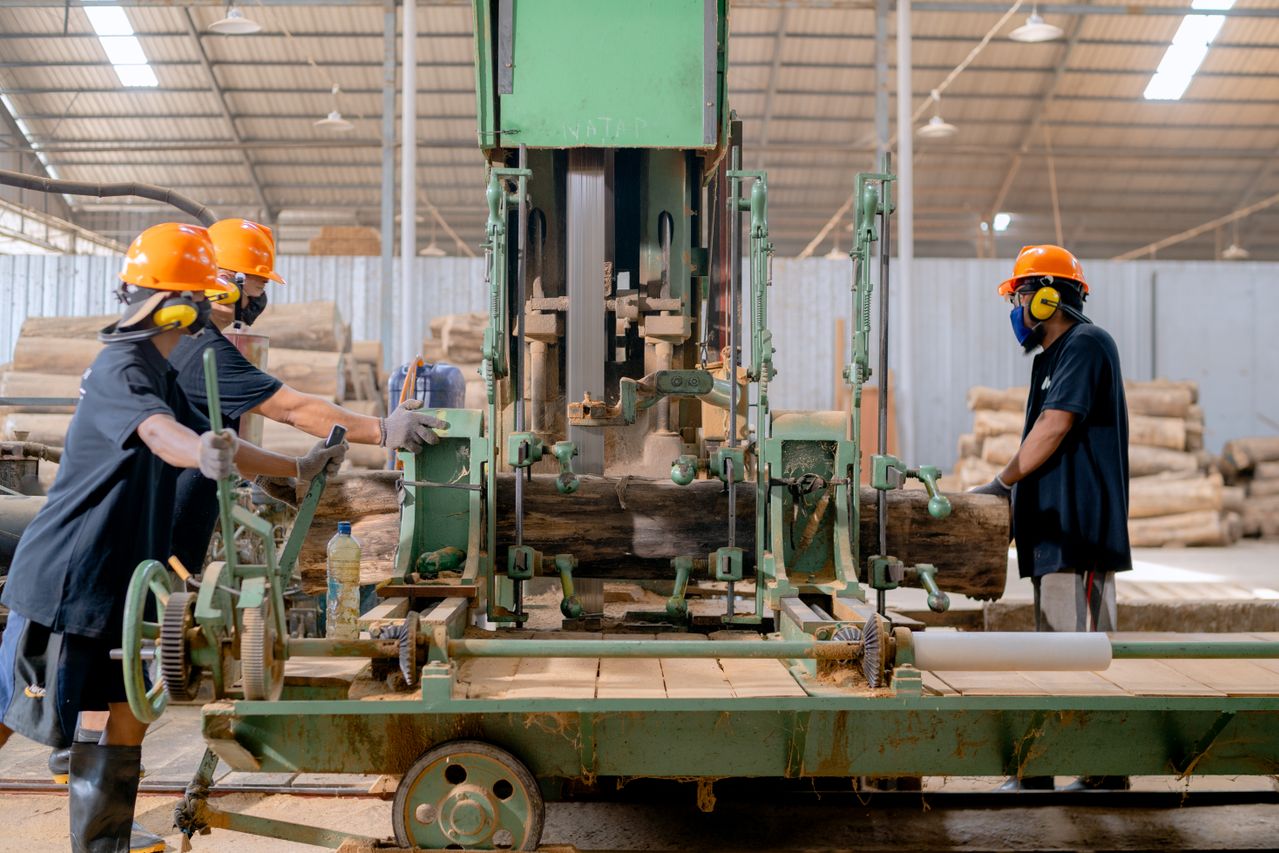
US Firms Urged to Expand High-Tech Investment
Vietnam's Deputy Prime Minister has actively encouraged US companies to expand investment in semiconductors, electronics, and high-technology sectors. Vietnam is promoting a comprehensive ecosystem spanning chip design, packaging, testing, materials production, and equipment manufacturing, while prioritizing human capital development and strategic technology acquisitions.
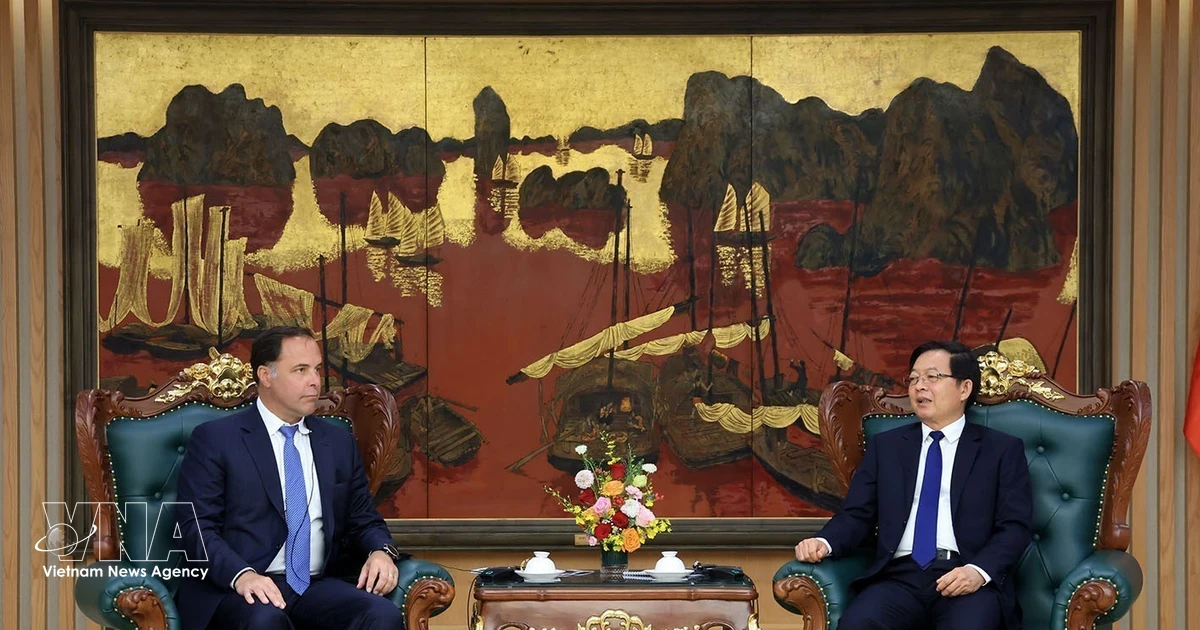
Competition Shifts From Incentives to Institutions
A critical shift is underway in how countries compete for FDI. The era of competition based primarily on tax breaks and land incentives is giving way to institutional quality—regulatory stability, rule of law, infrastructure, and innovation ecosystems. Vietnam is positioning itself to compete on these fundamentals rather than cost alone.
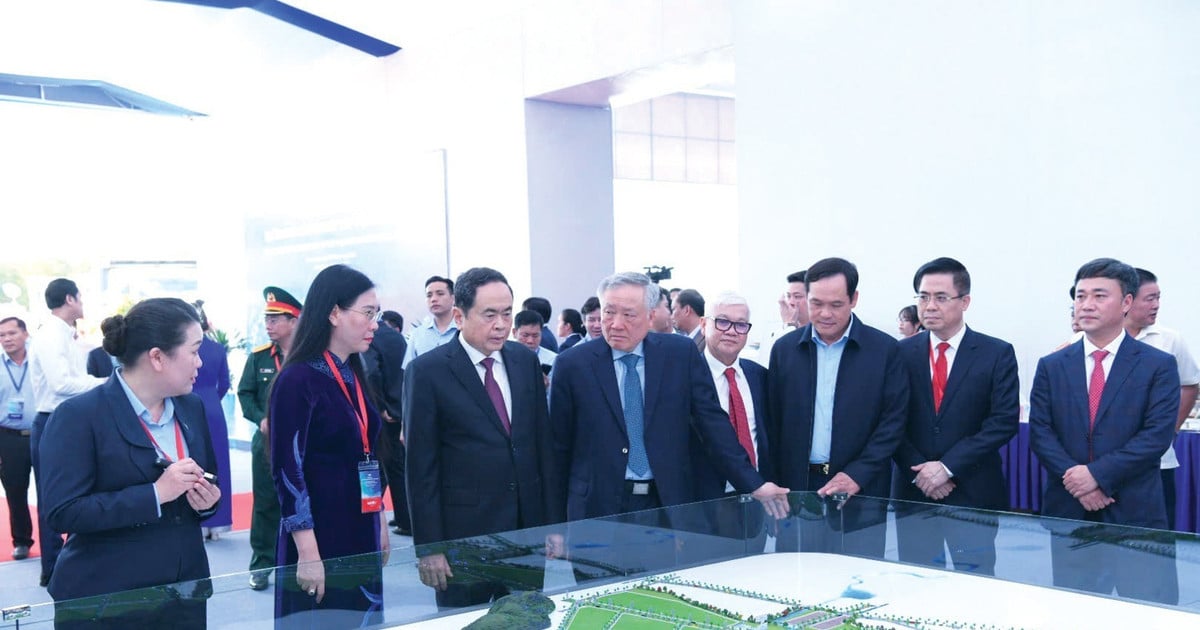
Vietnam Emerges as Southeast Asia's AI Powerhouse
Vietnam is attracting significant capital and talent inflows in artificial intelligence and emerging technologies. The nation's young, tech-savvy workforce, growing developer ecosystem, and government support for AI research and commercialization position it as a regional leader in this high-value sector.

en.vietnamplus.vn
b-company.jp
devdiscourse.com
 devdiscourse.com
devdiscourse.com
en.vietnamplus.vn
vietnam.vn
vietnam.incorp.asia
Highlights of Vietnam
FDI inflows: Manufacturing remains the dominant sector | Vietnam+ (VietnamPlus)
Analysis
Vietnam's economic narrative is undergoing a strategic recalibration. For decades, foreign investors viewed the country primarily as a low-cost manufacturing destination—a reliable alternative to China for labor-intensive assembly. That model is no longer sufficient.
The convergence of geopolitical tensions, supply chain fragmentation, and Vietnam's own industrial maturation is creating an opportunity to climb the value chain. The OECD's FDI Qualities Review makes clear that Vietnam cannot sustain high-income growth by competing on wages alone. Instead, the country must attract multinational companies seeking innovation partners, not just cost savings.
This pivot is already evident in sector targeting: semiconductors, electronics, artificial intelligence, and green technology. These are capital-intensive, skill-intensive industries where Vietnam's advantages lie in ecosystem development, talent cultivation, and institutional reliability—not in rock-bottom labor costs.
The shift from FDI competition based on tax incentives to competition based on institutional strength is equally significant. Vietnam is betting that stable governance, rule of law, and quality infrastructure will prove more attractive to sophisticated investors than short-term incentive packages.
What to Watch
- Supporting Industry Maturation: Vietnam's 2026–2035 strategy success will depend on building genuine domestic capacity in semiconductors, materials, and equipment—not just attracting final assembly plants.
- Semiconductor Ecosystem Development: Watch for announcements of chip design centers, advanced testing facilities, or materials production ventures from major US or Asian tech firms.
- AI Talent and Research: Vietnam's ability to retain and attract elite AI researchers and engineers will be critical to capturing value in this high-growth sector.
- Trade Policy Alignment: Any shifts in US-Vietnam trade relations, tariffs, or technology partnership agreements could accelerate or slow high-tech FDI inflows.
- Infrastructure Investment: Quality of logistics, electricity grids, digital connectivity, and research institutions will increasingly determine FDI decisions alongside traditional cost factors.
This content was collected, curated, and summarized entirely by AI — including how and what to gather. It may contain inaccuracies. Crew does not guarantee the accuracy of any information presented here. Always verify facts on your own before acting on them. Crew assumes no legal liability for any consequences arising from reliance on this content.
Powered by
