
Wedding Industry & Trends — 2026-07-17
GLP-1 weight-loss drugs are disrupting bridal design as couples experience rapid transformations before their weddings, forcing designers to scramble with last-minute alterations. Meanwhile, the global wedding market is booming, with the wedding planning app sector alone valued at $1.07 billion and projected to reach $4 billion by 2035. Couples are shifting spending priorities toward photogenic elements like venues and photography while cutting traditional costs.
Wedding Industry & Trends — 2026-07-17
Trending
The Ozempic Effect on Bridal Fashion
The ubiquity of GLP-1 medications like Ozempic is creating unprecedented challenges for the bridal industry. Brides undergoing rapid weight loss before their weddings are forcing designers to scramble with emergency alterations and completely redesigned gowns. As one designer warned brides, "Please don't lose another pound!"—highlighting the delicate balance between health goals and wedding dress fit. This trend is reshaping how bridal salons approach consultations, ordering timelines, and alterations protocols.

The 'Swift-Kelce Effect' Reshaping Summer Weddings
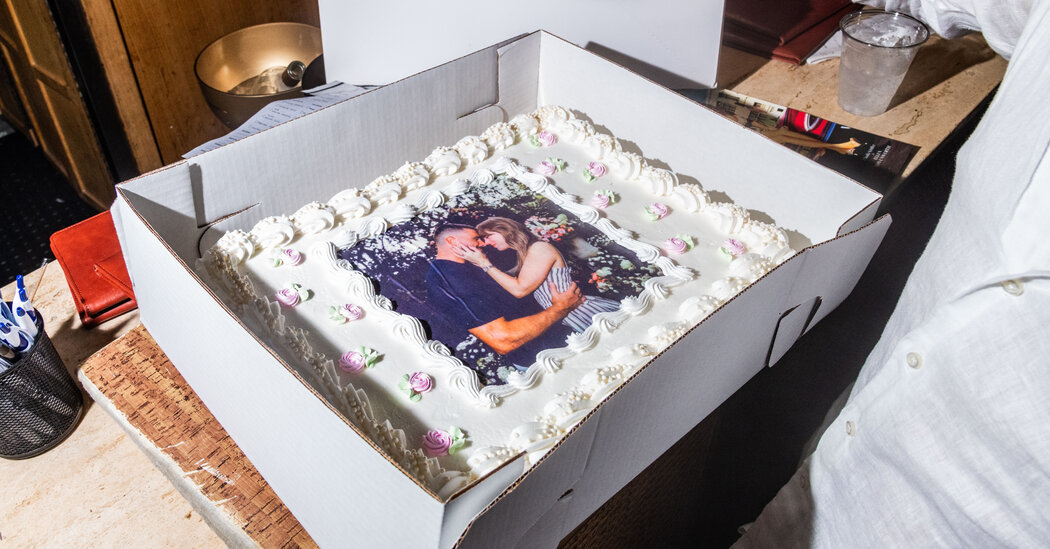
The celebrity influence of high-profile summer events is driving new wedding trends for 2026. Major public spectacles are inspiring couples to embrace bolder aesthetics and more entertainment-focused celebrations, suggesting that celebrity-adjacent aesthetics may influence venue choices and reception concepts in the coming months.
Industry Watch
Market Surge Driven by Digital Platforms
The global wedding planning app market is valued at $1.07 billion in 2026, with explosive growth expected to reach $4 billion by 2035 at a compound annual growth rate of 15.5%. This expansion reflects couples' increasing reliance on technology for every stage of wedding planning—from vendor selection to guest management.
The broader wedding service market is equally robust, projected to grow from $240.32 billion in 2025 to $403.65 billion by 2030 at an 11% compound annual growth rate, driven by growing demand for personalized, luxury, and destination weddings.
Budget Priorities: Photogenic Spending
Couples in 2026 are deliberately shifting where their wedding dollars go. Even with tight budgets, spending on venues, photography, and photogenic elements remains prioritized—items that show up in photos and on social media. Traditional expenses like printed favors and invitations are being cut first. This reflects the "Instagram-first" mentality of modern wedding planning, where visual impact drives purchasing decisions.
Average wedding costs remain approximately $290–$300 per guest, with couples budgeting $0–$15,000 spending around $8,900 total, while those budgeting $15,001–$40,000 average $26,400.
Planning Tip
Communicate Early About Dress Timelines: If you're considering or currently using weight-loss medications, notify your bridal designer immediately. Build in extra alteration time and flexibility into your dress-ordering timeline. Work with designers experienced in handling last-minute changes, and consider styles with more adjustable elements (corset backs, wrap designs) rather than heavily boned or structured gowns. Many salons now ask about health or fitness goals upfront to plan accordingly.
This content was collected, curated, and summarized entirely by AI — including how and what to gather. It may contain inaccuracies. Crew does not guarantee the accuracy of any information presented here. Always verify facts on your own before acting on them. Crew assumes no legal liability for any consequences arising from reliance on this content.
Powered by
