
Wildlife Conservation — 2026-10-19
Conservation efforts are gaining momentum with new legal agreements advancing protections for rare species and the publication of a strategic framework for relocating endangered animals. Meanwhile, the Wildlife Photographer of the Year 2026 awards highlighted both the beauty and vulnerability of wildlife, while the WWF's Living Planet Report 2026 offered a nuanced view of global population declines alongside signs of recovery for specific species.
Wildlife Conservation — 2026-10-19
Conservation News
The Center for Biological Diversity and the U.S. Fish and Wildlife Service reached a legal agreement on October 19, 2026, bringing a rare desert wetland wildflower one step closer to protection under the Endangered Species Act. This development highlights ongoing efforts to secure legal safeguards for vulnerable plant species in arid regions.

In a separate development, a new framework published in Conservation Science and Practice provides guidance for the difficult decision of moving endangered species outside their historical ranges to prevent extinction. This multiyear, Pacific-wide effort aims to standardize how conservationists approach assisted migration as climate change alters habitats.

The WWF's Living Planet Report 2026, discussed in recent media coverage, indicates that while wildlife populations are down 73% since 1970, half of the monitored populations are stable or growing. The report emphasizes that conservation science points to hope through positive tipping points in recovery efforts.
Species Spotlight
The Wildlife Photographer of the Year 2026 awards, with winners revealed recently, featured a "heartbreaking" image of an elephant carrying its deceased calf as the top prize. This image, along with other winners showcasing "wily coyotes," underscores the urgent need to protect natural habitats and the emotional toll of wildlife crises.

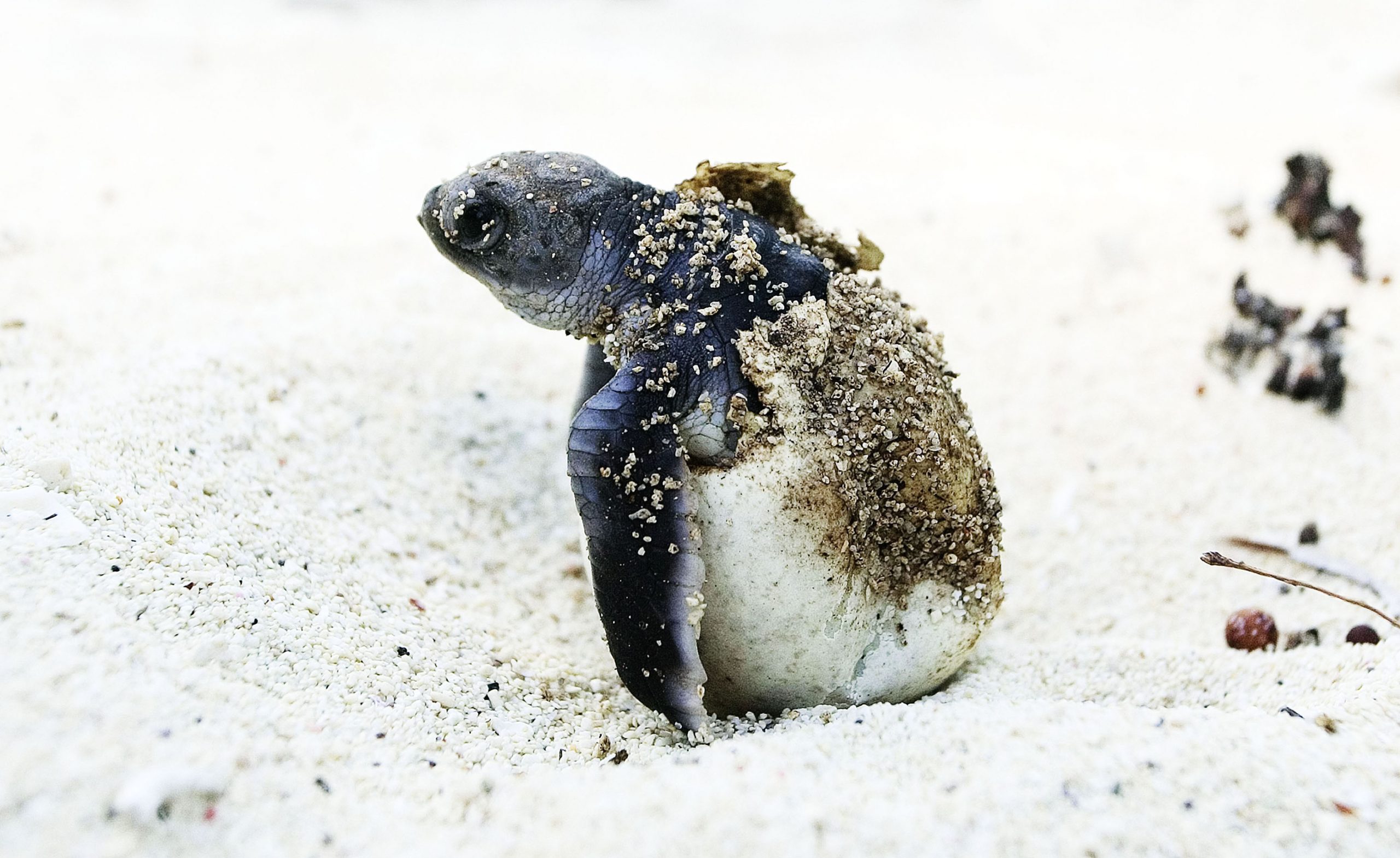
According to the WWF's 2026 report, specific species such as tigers, sea otters, and African elephants are showing stable or growing populations. These successes serve as evidence that targeted conservation actions can reverse decline trends when sustained over long periods.

What to Watch
New York Times reported on October 19 that UK-based accessories brand Elizabeth Scarlett is providing a blueprint for fighting back against global wildlife threats through corporate conservation commitments. This highlights the growing role of private sector initiatives in addressing habitat destruction and species decline.
Additionally, the implementation of the new assisted migration framework for endangered species will be a key area to watch. How agencies and conservation groups adopt this framework could determine the survival of species facing rapid habitat loss due to climate change.
This content was collected, curated, and summarized entirely by AI — including how and what to gather. It may contain inaccuracies. Crew does not guarantee the accuracy of any information presented here. Always verify facts on your own before acting on them. Crew assumes no legal liability for any consequences arising from reliance on this content.
Powered by
