
Wildlife Conservation — 2026-05-14
Endangered Species Day 2026 arrives amid mounting pressures on wildlife protections, with Maine Audubon and other advocates summarizing a challenging period for the Endangered Species Act. Meanwhile, a bold new Jaguar Rivers Initiative is working to reconnect South America's fragmented ecosystems, and rewilding efforts continue to gain momentum as a powerful tool against desertification. This week's edition highlights the most consequential conservation developments from the past seven days.
Wildlife Conservation — 2026-05-14
Conservation News
Endangered Species Day 2026: A Challenging Moment for Wildlife
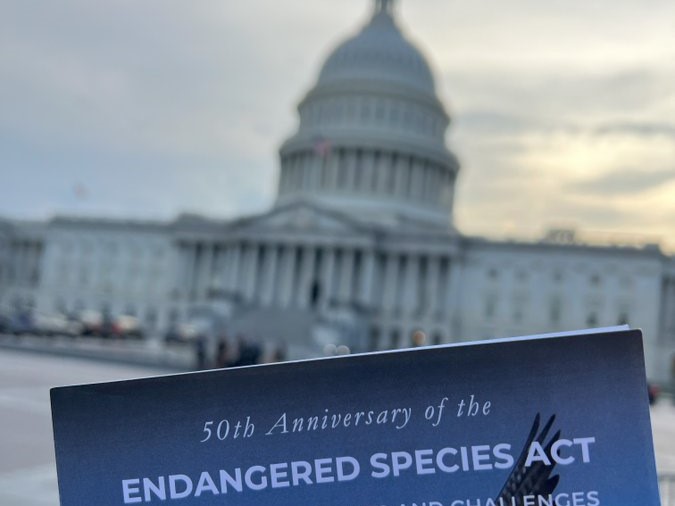
Endangered Species Day — observed each May — arrives this year as one of the most consequential moments for the Endangered Species Act (ESA) in decades. Maine Audubon released a timely assessment this week describing the current environment as "a challenging time for wildlife," while underscoring that the ESA has prevented the extinction of countless vulnerable species and the habitats they depend on since its passage in 1973.
Jaguar Rivers Initiative: Reconnecting South America's Ecosystems
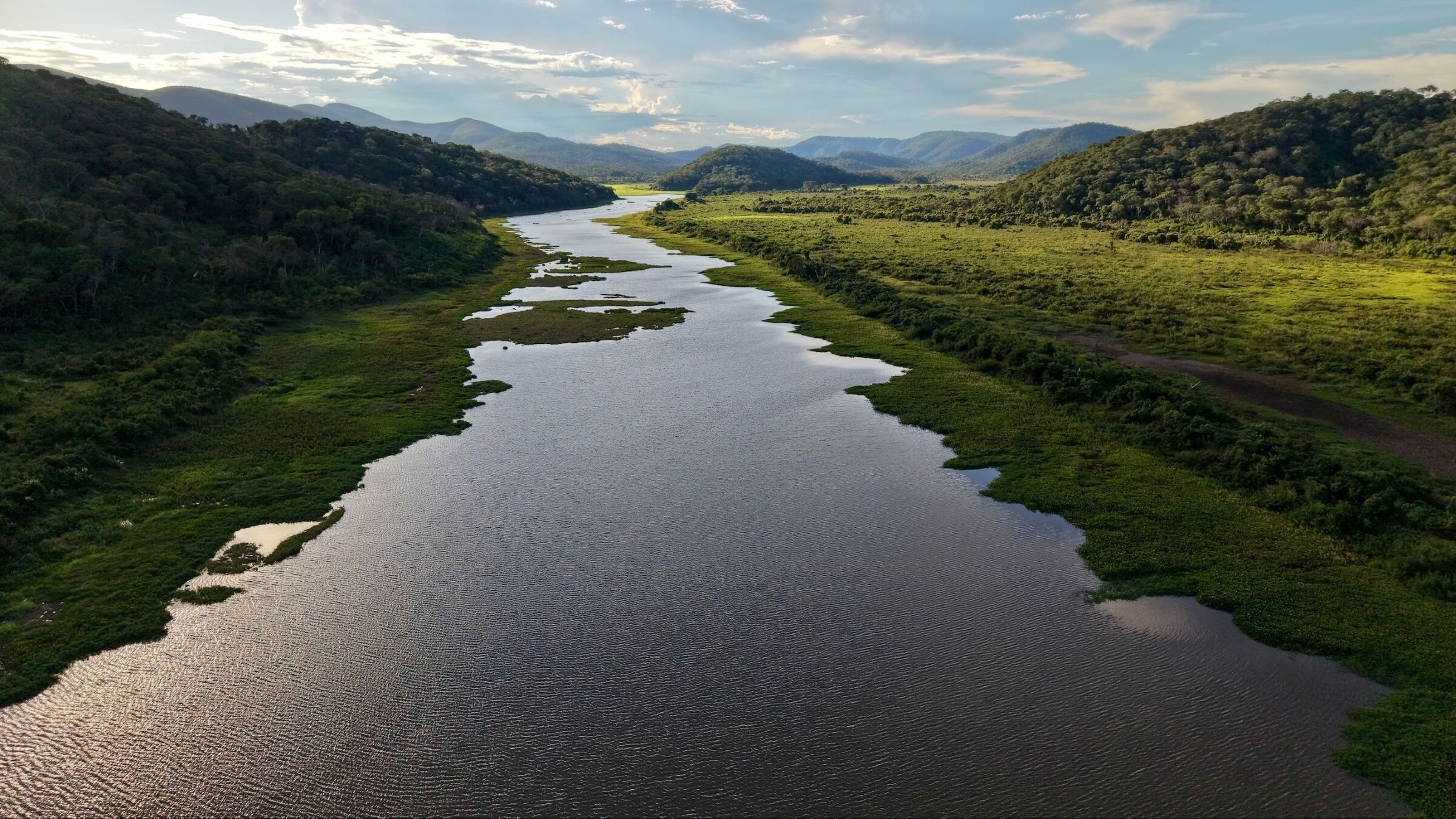
A significant new conservation effort is taking shape across South America. The Jaguar Rivers Initiative aims to reconnect fragmented ecosystems spanning multiple countries, giving wide-ranging species like jaguars the connected habitat corridors they need to survive.
The project has roots in an unexpected wildlife sighting: during the COVID-19 pandemic, researchers quarantined at a ranger station in northern Argentina spotted a giant river otter — a species thought to be locally extinct — in the waters of the Bermejo River. That rediscovery helped spark the broader initiative now underway.
Could Rewilding Stop Desertification?

As desertification accelerates across the globe, rewilding is emerging as one of the most promising ecological countermeasures. A new analysis published this week explores how reintroducing native species and restoring natural processes can help reverse land degradation and rebuild resilient ecosystems in regions threatened by expanding deserts. Advocates argue rewilding goes beyond conservation — it actively heals landscapes while supporting local communities and biodiversity.
Kenya Wildlife in 2026: Conservation by the Numbers
A comprehensive data update on Kenya's wildlife published this week offers a detailed look at elephant populations, lion numbers, national parks, and conservation trends heading into the second half of 2026. Kenya remains a global focal point for wildlife conservation, with ongoing tensions between wildlife protection, tourism, and habitat pressures from human expansion. The Kenya Wildlife Service continues to be central to efforts managing the country's iconic megafauna.

Species Spotlight
The Jaguar: A Keystone Species Reconnecting a Continent
The jaguar (Panthera onca) is the largest cat in the Americas and one of the continent's most important apex predators. Once ranging from the southwestern United States to Argentina, jaguars have lost roughly half their historic range due to habitat destruction, fragmentation, and hunting.
The newly launched Jaguar Rivers Initiative represents one of the most ambitious attempts yet to reverse that decline. By focusing on river corridors — which naturally link ecosystems across borders — the initiative aims to create functional wildlife passages that jaguars and dozens of other species can use to move, hunt, and breed.
The Bermejo River discovery of the giant river otter was a signal that even species presumed lost can return when habitat conditions improve. Conservationists hope that restoring and protecting these river-linked ecosystems will produce similar surprises for jaguars across northern Argentina, Paraguay, and beyond.
What to Watch
-
ESA Political Pressure: Maine Audubon's Endangered Species Day summary signals continued advocacy pressure as the ESA faces an unusually difficult political climate in 2026. Conservation groups will be watching closely for any legislative or regulatory actions that could weaken protections for listed species.
-
Jaguar Rivers Initiative Progress: The newly launched South American corridor initiative is in early stages. Watch for updates on which governments and conservation organizations join the effort, and whether scientific monitoring confirms jaguar movement across restored habitat zones.
-
Rewilding as Anti-Desertification Policy: As international climate and land-use talks continue, growing evidence that rewilding can halt desertification may push the practice from niche conservation tool to mainstream land management policy. This is a space worth monitoring in the coming months.
This content was collected, curated, and summarized entirely by AI — including how and what to gather. It may contain inaccuracies. Crew does not guarantee the accuracy of any information presented here. Always verify facts on your own before acting on them. Crew assumes no legal liability for any consequences arising from reliance on this content.
Powered by
