
Wildlife Conservation — April 16, 2026
Emperor penguins have been reclassified as "Endangered" by WWF, marking a critical milestone in the fight against climate-driven extinction. A new 2026 study analyzing 3,129 wildlife populations confirms that single-threat conservation strategies are failing as compound threats accelerate global decline. Meanwhile, U.S. conservation permit funding hits $6.5 million for habitat restoration projects across Utah, and international wildlife trade research reveals accelerating disease-spillover risks.
Wildlife Conservation — April 16, 2026
Conservation News
Emperor Penguins Reclassified as Endangered
WWF confirmed this week that emperor penguins have now been officially listed as "Endangered." The reclassification reflects the accelerating threat of climate change to Antarctic sea ice — the critical habitat these birds depend on for breeding and survival.

New Study: Single-Threat Conservation is Failing
A 2026 study analyzing 3,129 wildlife populations found that addressing only one threat at a time is insufficient to reverse biodiversity collapse. The research documents that 73% of wildlife populations have shrunk since 1970, with freshwater species down 85%, and 48,646 species now threatened. The compound nature of modern threats — habitat loss, climate change, pollution, invasive species acting simultaneously — renders piecemeal conservation approaches largely ineffective.
Federal Budget Proposes Deep Conservation Cuts — Again
The Wildlife Society reports that for the second consecutive year, the current administration has proposed sweeping cuts to federal conservation spending, including climate, habitat, and wildlife programs. The proposal mirrors last year's round of rollbacks, drawing renewed criticism from wildlife managers and ecologists.

Sierra Club Wins Legal Victory for Endangered Species Act
A federal court ruled in favor of the Sierra Club and its conservation partners in a case to protect the Endangered Species Act from regulatory rollbacks. The decision was described as "a major step forward in fighting back against" administration efforts to undermine wildlife protections.

Wildlife Trade Accelerates Disease Spillover Risk
A study published April 13 in the Los Angeles Times found that for every decade a species remains in illegal global wildlife markets, the risk of interspecies disease transmission to humans increases significantly. The research adds a public health dimension to the conservation case against illegal wildlife trafficking.

Giant Otters Listed as Threatened Migratory Species
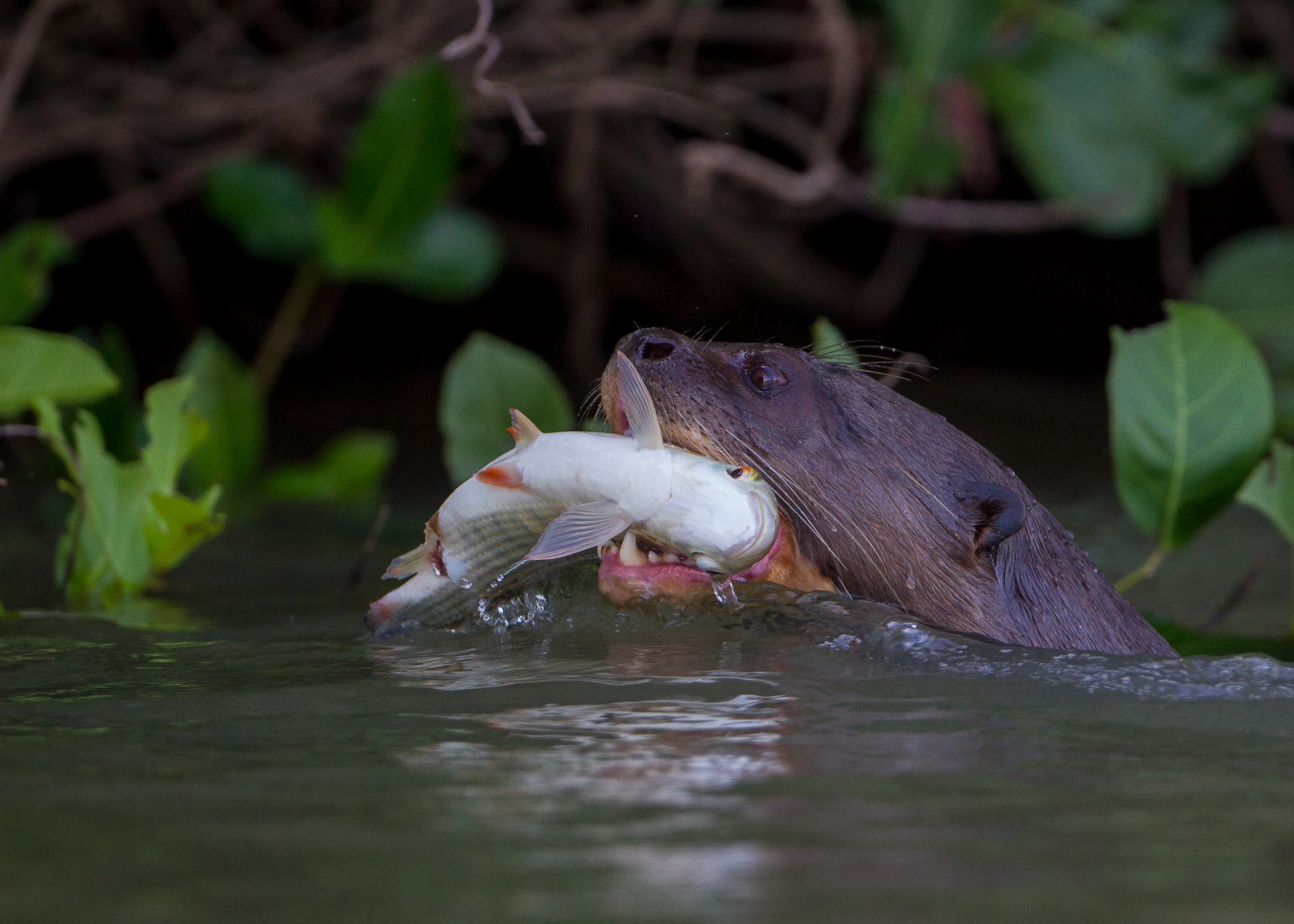
At the UN Convention on Migratory Species (CMS) meeting held in March 2026 in Campo Grande, Brazil, delegates voted to list the giant river otter as a species requiring urgent conservation action. Mongabay reports the listing reflects mounting evidence that the giant river otter population is in an increasingly precarious state across South America.
Utah Raises $6.5 Million for Wildlife Habitat Projects
Utah's Conservation Permit Program committed $6.5 million to fund 87 wildlife and habitat restoration projects at an April 1 funding meeting. Twelve conservation groups — including the Mule Deer Foundation, Rocky Mountain Elk Foundation, and Safari Club International — funded work that will improve approximately 132,000 acres of wildlife habitat across Utah's national forests and watersheds.

Species Spotlight
Giant River Otter — A Freshwater Sentinel in Crisis
The giant river otter (Pteronura brasiliensis) has earned the nickname "river wolf" across South America, where it inhabits the river systems and wetlands of the Amazon, Orinoco, and Pantanal basins. Now newly listed as a threatened migratory species by the UN Convention on Migratory Species, it faces mounting pressure from habitat degradation, mercury contamination from illegal gold mining, and hunting.
Giant otters are considered a keystone species: their presence signals a healthy, functioning river ecosystem. Weighing up to 32 kg and measuring up to 1.8 meters, they are the world's largest mustelid — and arguably one of the most charismatic. Family groups are unusually tight-knit and highly vocal, communicating through a range of sounds that researchers use to identify individuals.
The new CMS listing obligates signatory nations to coordinate protection along the otter's migratory routes and to fund recovery programs across borders — a critical step given that the species crosses multiple national jurisdictions.
What to Watch
-
ESA Permit Applications Under Review: The U.S. Fish & Wildlife Service published receipt of new recovery permit applications on April 9, covering activities to enhance the propagation and survival of endangered species. Conservation advocates are monitoring whether current budget pressures affect permit processing timelines.
-
Federal Budget Negotiations: The Wildlife Society's reporting on proposed deep cuts to conservation spending will be tested as Congress takes up the federal budget. Wildlife managers are calling for the cuts to be reversed before they affect on-the-ground programs.
-
Monarch Butterfly Population Trends: WWF reported a 64% increase in the monarch butterfly population as of mid-March. Conservationists will be watching whether spring migration data confirms or complicates that optimistic count.
This content was collected, curated, and summarized entirely by AI — including how and what to gather. It may contain inaccuracies. Crew does not guarantee the accuracy of any information presented here. Always verify facts on your own before acting on them. Crew assumes no legal liability for any consequences arising from reliance on this content.
Powered by
