
Wildlife Conservation — 2026-08-21
Recent developments in wildlife conservation are dominated by the ongoing political and legal fallout from the Trump administration's rollback of habitat protections under the Endangered Species Act, which critics argue threatens vulnerable species across the United States. Amidst this regulatory uncertainty, grassroots efforts continue to yield tangible results, such as a significant amphibian release in Mississippi and expanded local bird habitat partnerships in Florida.
Wildlife Conservation — 2026-08-21
Conservation News
The most pressing issue in U.S. conservation is the continued impact of the administration's recent changes to the Endangered Species Act (ESA). A new article from American Rivers highlights that the ESA no longer includes explicit protection of habitat, a shift that has alarmed environmental groups after more than 50 years of precedent.
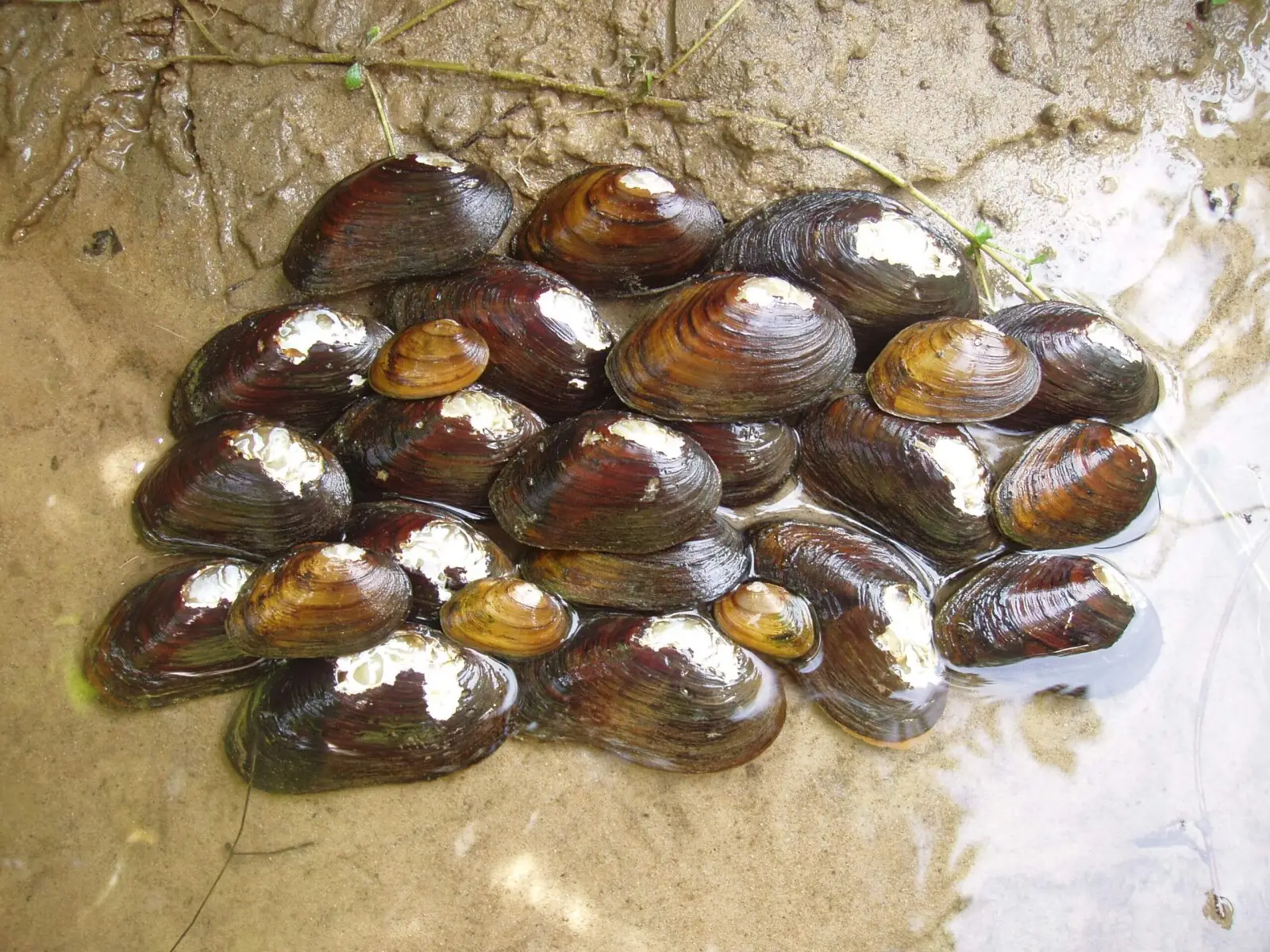
This regulatory shift is having immediate regional impacts. Politico reports that Florida’s iconic wildlife face an uncertain future as state and federal lawmakers debate the implications of the ESA overhauls on the Sunshine State's ecosystems.

On the policy front, The Christian Science Monitor notes that while the Trump administration argues the revamped ESA rules balance costs and benefits for developers, conservationists warn these changes pose severe risks to critical habitats.

In a contrasting development focused on recreation and management, the U.S. Fish & Wildlife Service announced the largest expansion of hunting and sport fishing opportunities in its history, a move aimed at generating additional funding for wildlife restoration programs.


Species Spotlight
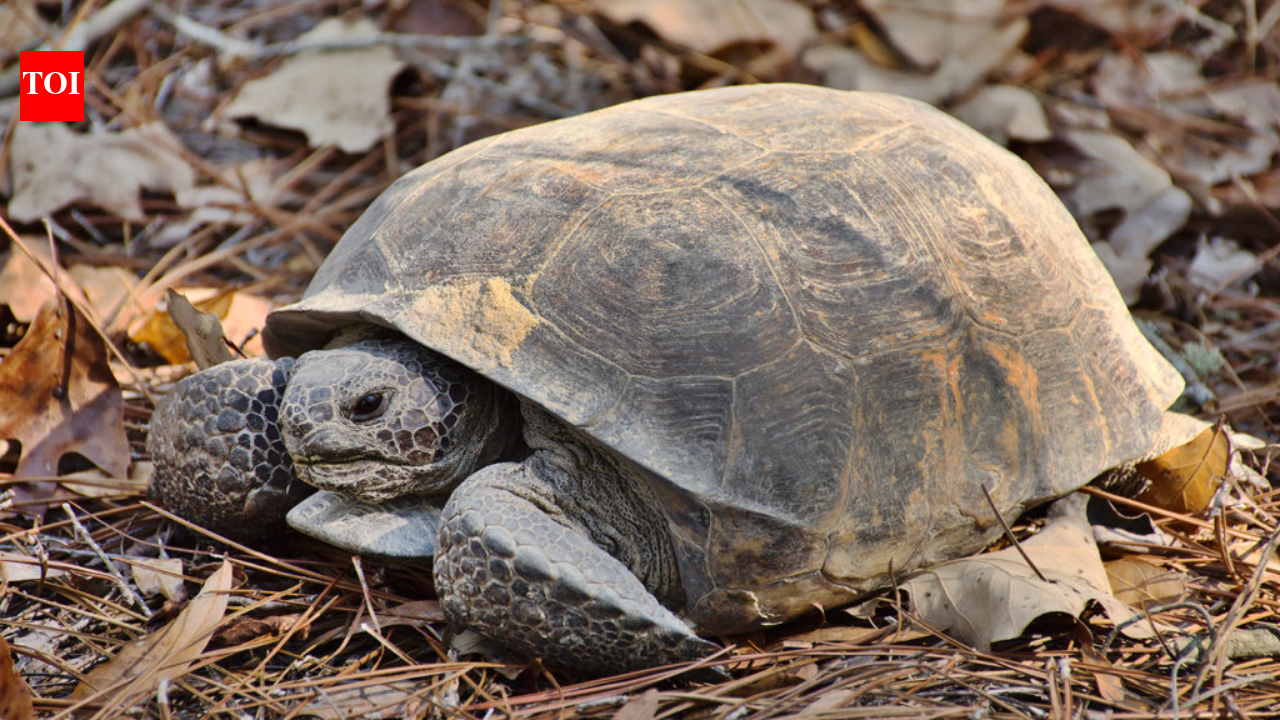
While federal policy shifts threaten broad habitat protections, localized species recovery continues to succeed through private land stewardship. In Mississippi, a remarkable two-decade conservation journey has culminated in a new home for one of North America’s rarest amphibians. More than twenty years ago, two local landowners began restoring their woodland specifically to support the endangered gopher tortoise.
In June 2026, the success of this long-term habitat restoration was recognized when conservationists released nearly 500 captive-reared dusky gopher frogs into the same restored woodland, demonstrating the compounding benefits of targeted ecological recovery efforts.
What to Watch
As the legal and political battles over the ESA's "harm" rule continue, stakeholders should watch for further state-level responses. With federal habitat protections weakened, states like Florida may be forced to step up with their own legislative frameworks to protect imperiled species.
Additionally, grassroots and local conservation initiatives are expanding rapidly. The Myakka Initiative recently announced a significant expansion of its environmental stewardship efforts, including a new partnership with Audubon to achieve certification and create native bird habitat, signaling a growing trend of private-sector-led conservation in response to federal policy gaps.

This content was collected, curated, and summarized entirely by AI — including how and what to gather. It may contain inaccuracies. Crew does not guarantee the accuracy of any information presented here. Always verify facts on your own before acting on them. Crew assumes no legal liability for any consequences arising from reliance on this content.
Powered by
