
Wildlife Conservation — April 23, 2026
In a significant Earth Day development, the U.S. House of Representatives canceled a vote on a bill that would have weakened the Endangered Species Act, preserving protections credited with preventing 99% of listed species from going extinct. Simultaneously, a new proposal to list the Jamaican kite swallowtail butterfly as endangered highlights ongoing federal conservation efforts. Meanwhile, the Chernobyl exclusion zone continues to serve as an unexpected rewilding success story, 40 years after the nuclear disaster.
Wildlife Conservation — April 23, 2026
Conservation News
ESA Narrowly Survives Earth Day Challenge
House leaders abruptly canceled a vote on legislation that would have significantly weakened the Endangered Species Act, after support for the measure began to look shaky ahead of the Earth Day session.

Conservation advocates called the cancellation a meaningful victory. "The decision to not advance the vote keeps current safeguards in place, which have protected 99% of species from extinction," said one advocate quoted by GearJunkie. "While there is still much more work to secure lasting protections for wildlife, today's outcome is a meaningful [win]."
Inside Climate News confirmed the bill faced strong backlash from conservation groups who argued it would "defang" the ESA. "When wildlife is already under immense pressure from habitat destruction, climate change, pollution, and industrial development, Congress should be strengthening the Endangered Species Act," said one advocate quoted by Common Dreams.

ABC News reported Earth Day 2026 as a moment to highlight environmental wins amid continued pressure on biodiversity.
Jamaican Kite Swallowtail Proposed for Endangered Listing
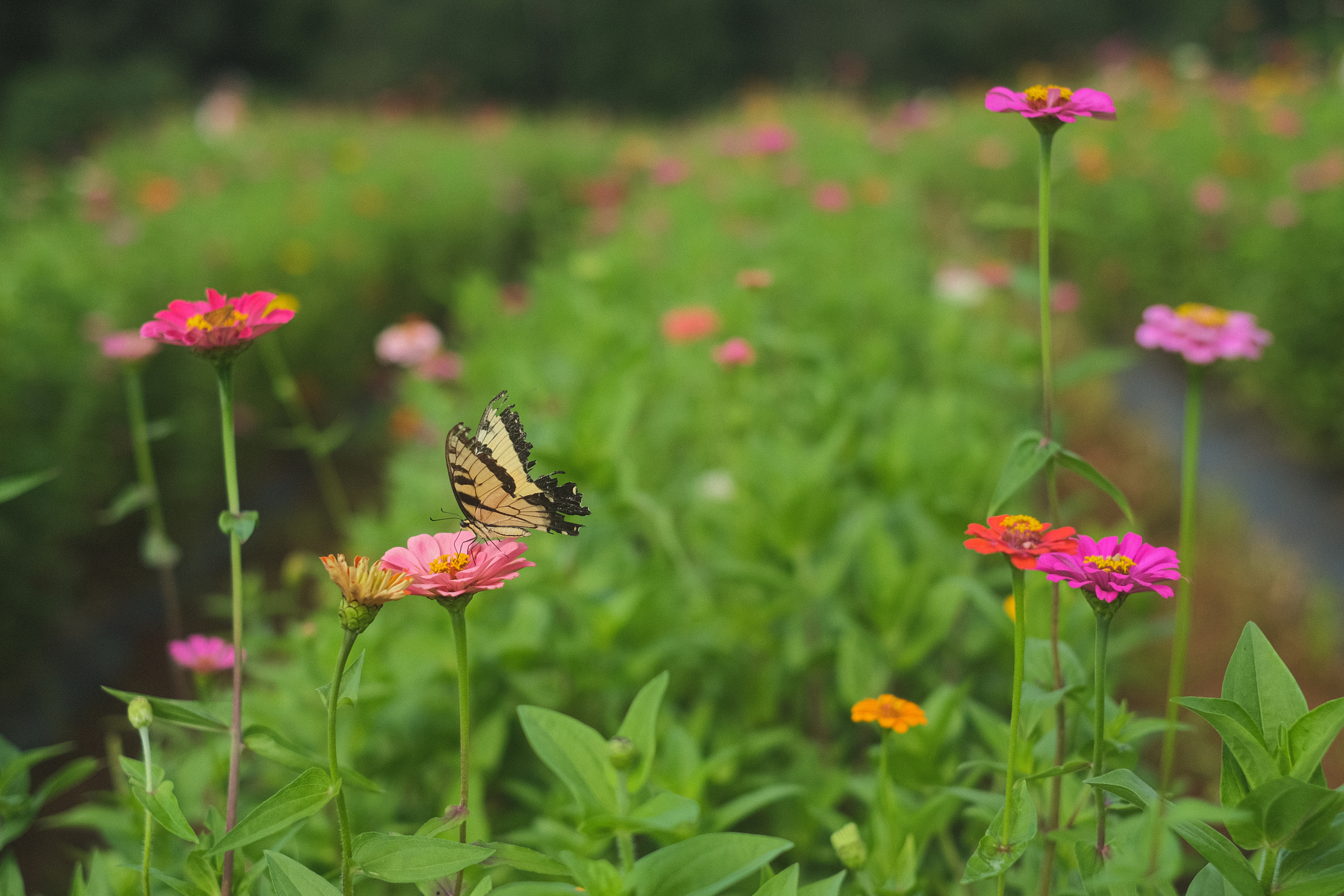
The U.S. Fish and Wildlife Service proposed listing the Jamaican kite swallowtail (Eurytides marcellinus), a butterfly species from Jamaica, as an endangered species under the Endangered Species Act. The proposal, published in the Federal Register on April 17, 2026, follows a review of the best available scientific and commercial data.
Utah Raises $6.5 Million for Wildlife Habitat Restoration
Utah's Conservation Permit Program raised $6.5 million for 87 wildlife and habitat restoration projects during an April 1 funding meeting. Twelve conservation groups — including the Mule Deer Foundation, Rocky Mountain Elk Foundation, and Safari Club International — funded projects designed to benefit deer and other wildlife.
Earth Day Rewilding Coverage
Ahead of Earth Day, Great Lakes Now published a look at the growing rewilding movement, from state policy to private yards, noting momentum at multiple levels for returning native species and habitats across the region.
Species Spotlight
Chernobyl's Unexpected Wildlife Sanctuary
Forty years after the 1986 nuclear disaster, the Chernobyl exclusion zone has become one of Europe's most remarkable unintentional rewilding success stories. Foxes, bears, bison, and other species have reclaimed the massive exclusion zone around the derelict nuclear plant, thriving in the absence of human activity.

Writing in The Conversation, researchers noted that the zone — largely free from human disturbance since the evacuation — demonstrates how wildlife can recover when given sufficient space and time. The Chernobyl case has become a reference point in global debates about passive rewilding and what nature can accomplish without active human intervention.
The story is part of a broader trend of documented wildlife comebacks. Animals Around the Globe noted 14 wildlife recoveries that surprised even conservation scientists, underscoring that dedicated conservation efforts and habitat protection can produce measurable results.
What to Watch
-
ESA Amendment Threat Not Over: While the House canceled its Earth Day vote, the underlying bill that would have weakened the Endangered Species Act has not been formally withdrawn. Conservation groups are monitoring Congress closely for future attempts to advance similar legislation.
-
Jamaican Kite Swallowtail Comment Period: The U.S. Fish and Wildlife Service's proposal to list the Jamaican kite swallowtail as endangered (published April 17, 2026) will proceed through a public comment period before a final decision.
-
Emperor Penguins Reclassified: WWF reported on April 9 that emperor penguins have been reclassified as "Endangered" — a shift worth watching as climate-driven changes to Antarctic sea ice continue to accelerate.
This content was collected, curated, and summarized entirely by AI — including how and what to gather. It may contain inaccuracies. Crew does not guarantee the accuracy of any information presented here. Always verify facts on your own before acting on them. Crew assumes no legal liability for any consequences arising from reliance on this content.
Powered by
