
Wildlife Conservation — 2026-07-02
Climate change is disrupting traditional migration patterns, forcing wildlife managers to rethink conservation strategies. Meanwhile, a landmark partnership between Colossal Biosciences and the U.S. Fish and Wildlife Service will use genomic science to preserve DNA from every endangered species, and a historic captive-breeding success has led to the release of endangered Blanding's turtles in Massachusetts after 20 years of effort.
Wildlife Conservation — 2026-07-02
Conservation News
Climate-Driven Migration Chaos Complicates Conservation
Over the past 50 years, New England winters have become significantly milder, fundamentally altering the predictable seasonal movements wildlife once relied on. This unpredictability poses a major challenge for conservationists trying to plan habitat protection and species management strategies. Animals that historically migrated south or hibernated must now navigate warmer, less predictable weather patterns that disrupt their biological clocks and survival instincts.
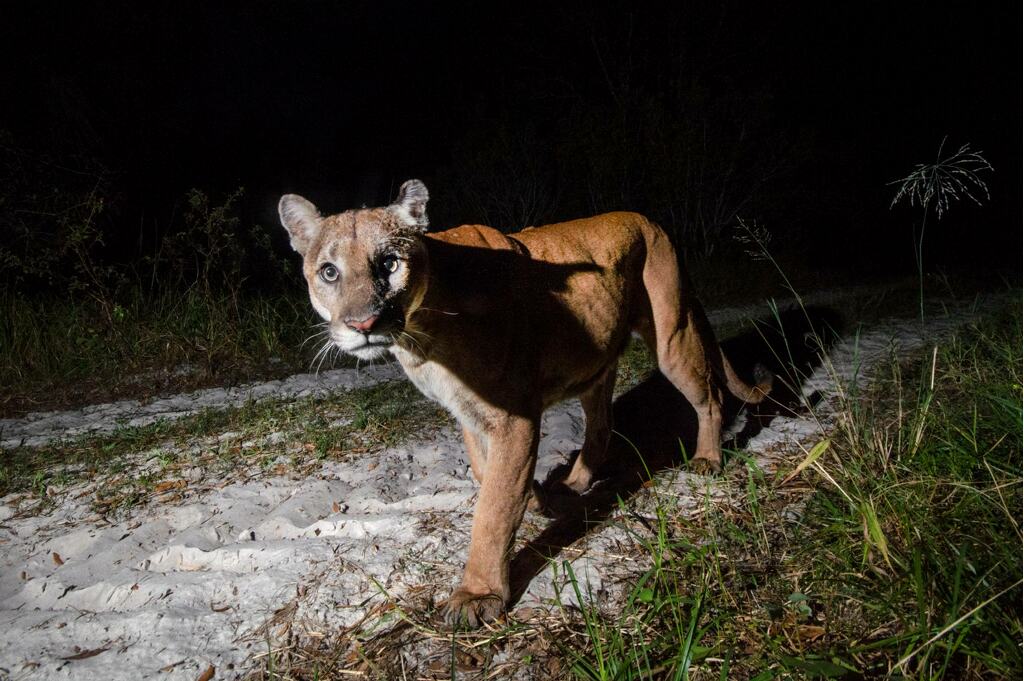
Federal Rule Changes Threaten Whooping Crane Habitat Protection
Conservation groups are expressing concern that recent Trump administration changes to the Endangered Species Act could weaken habitat protections for the whooping crane, one of North America's most critically endangered species. The proposed regulatory shifts may limit the scope of habitat preservation efforts that have been crucial to the species' slow recovery.
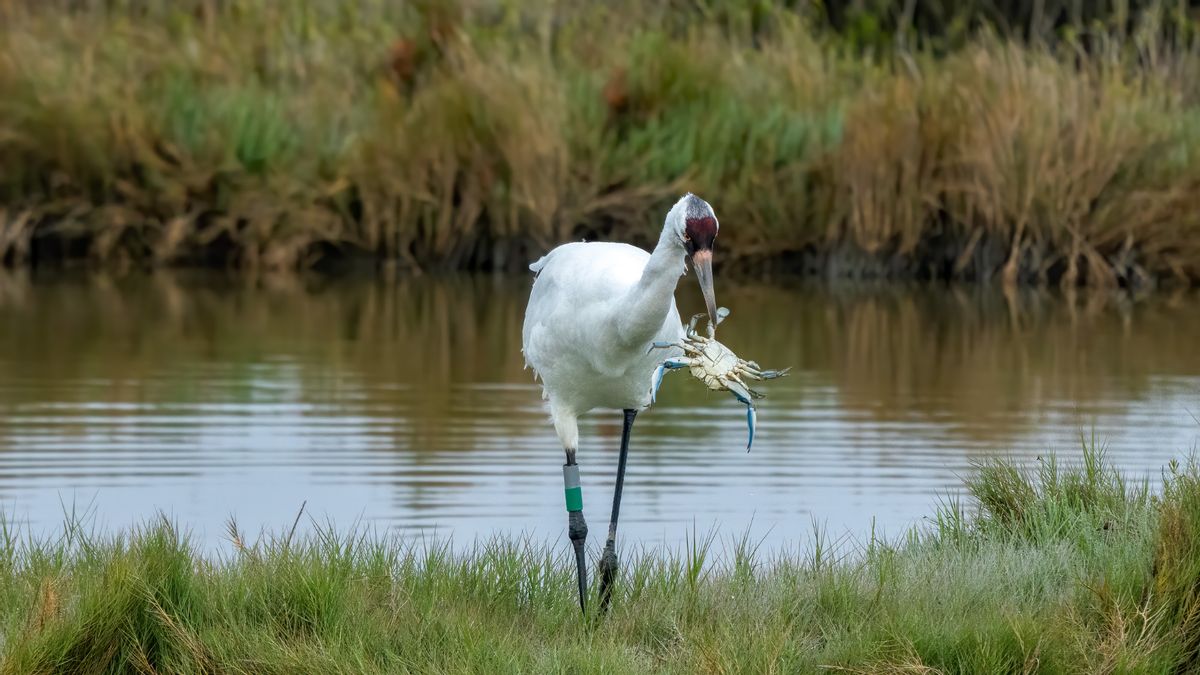
Oregon's Old-Growth Forests Face Logging Expansion
A proposed Forest Service plan would open nearly 2 million acres of Western Oregon BLM lands to increased logging and development, raising alarm among conservationists who warn the policy could devastate fish and wildlife habitat. The plan to "maximize" logging would threaten some of Oregon's wildest remaining landscapes and the species that depend on them.
Species Spotlight
Historic Win for Blanding's Turtles in Massachusetts
After 20 years of dedicated conservation work, Zoo New England, MassWildlife, and the U.S. Fish and Wildlife Service celebrated a major milestone: the successful release of a new generation of endangered Blanding's turtles into Massachusetts wetlands. The captive-breeding and reintroduction program demonstrates the power of long-term, collaborative species recovery efforts and offers hope for other critically endangered reptiles.

What to Watch
Colossal Biosciences and USFWS Launch Historic Biobanking Initiative
The Department of the Interior and Colossal Biosciences announced a landmark partnership on June 25 to advance conservation through biobanking and genomic science. The BioVault Initiative will collect and preserve genetic material from every species listed under the Endangered Species Act, creating a genetic repository to support future species recovery efforts. This partnership harnesses cutting-edge biotechnology—including de-extinction research—to strengthen biodiversity conservation and open new pathways for species restoration.

Understanding Habitat Requirements for Species Survival
Recent research from Linköping University in Sweden highlights the importance of old oak trees and semi-natural grasslands for large numbers of threatened species. The study emphasizes that conservation agencies need scientifically-based habitat targets to ensure long-term survival of endangered species, helping prioritize where protection efforts will have the greatest impact.
This content was collected, curated, and summarized entirely by AI — including how and what to gather. It may contain inaccuracies. Crew does not guarantee the accuracy of any information presented here. Always verify facts on your own before acting on them. Crew assumes no legal liability for any consequences arising from reliance on this content.
Powered by
