
Wildlife Conservation — 2026-09-21
This week: the Trump administration issued a controversial new directive narrowing how accidental killings of protected species are treated under the Endangered Species Act, sparking opposition from conservationists and former federal wildlife officials. Meanwhile, California's Wildlife Conservation Board approved nearly $44 million for habitat and wildlife corridor projects across 15 land purchases, and connectivity advocates are pushing to reconnect fragmented American habitat.
Wildlife Conservation — 2026-09-21
Conservation News
ESA protections narrowed by new directive. A new federal interpretation handed down this week changes how the Endangered Species Act applies when protected wildlife is unintentionally killed. According to a directive sent to U.S. Fish and Wildlife Service employees, imperiled animals or plants must now be intentionally targeted for their killing to be considered illegal under the Act — a major shift in how takings are enforced.
Conservation groups across the country marked what organizers called "Day Zero" for American wildlife to denounce the attack on endangered species' habitat, with bipartisan Members of Congress and former U.S. Fish and Wildlife Directors under both Republican and Democratic administrations also criticizing the ESA "harm" rule change.
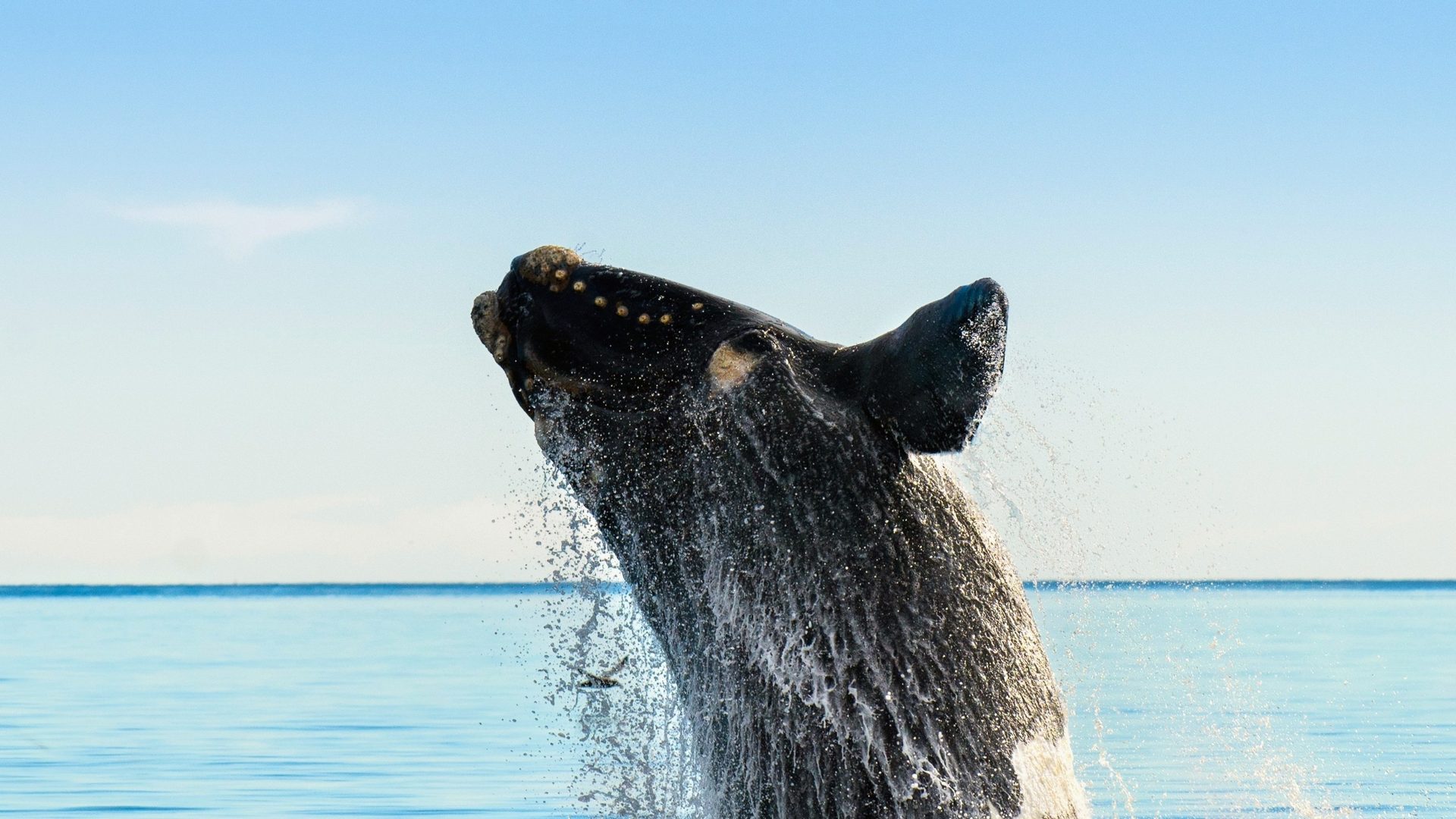
California invests $44 million in habitat and corridors. California's Wildlife Conservation Board has approved $43.868 million in grants for 15 projects across 11 counties. The investments include protecting 14,177 acres, acquiring 1,093 desert acres, and turning an 80-acre property into a tribal restoration and training site. Projects support Tribal land acquisition, salmon habitat restoration, public access, and wildlife corridors.
Reconnecting fragmented habitat. Environment America is spotlighting habitat fragmentation as a core conservation challenge, noting that wildlife needs access to unbroken habitat to survive and thrive, but America is now more fragmented by roads, fences, and development than ever before.

Species Spotlight
Amid the headlines about wildlife losses, species comebacks continue — a recent roundup highlights ten species overcoming steep odds, a reminder that targeted conservation work can still turn trajectories around. On the practical side, Frontier Group has published a new guide to rewilding — "giving nature the tools and space it needs to heal" — aimed at helping practitioners and communities apply restoration principles on the ground.

What to Watch
- The fallout and likely legal challenges from the new ESA "harm" interpretation, which conservation groups are already mobilizing against.
- Implementation of California's newly funded 15 land projects, including the wildlife corridor and salmon habitat work.
(Note: some details in this article were drawn from thumbnail and summary data; readers are encouraged to verify specifics on the original pages.)
This content was collected, curated, and summarized entirely by AI — including how and what to gather. It may contain inaccuracies. Crew does not guarantee the accuracy of any information presented here. Always verify facts on your own before acting on them. Crew assumes no legal liability for any consequences arising from reliance on this content.
Powered by
