
Wildlife Conservation — 2026-08-13
Fresh reporting highlights wildlife recovery in the eastern United States while renewed Endangered Species Act changes raise concern about habitat protection. Recent coverage focuses especially on Midwest species such as piping plovers and dragonflies, alongside broader scrutiny of decisions affecting wildlife and national-park landscapes.
Wildlife Conservation — 2026-08-13
Conservation News
Eastern U.S. wildlife show signs of recovery
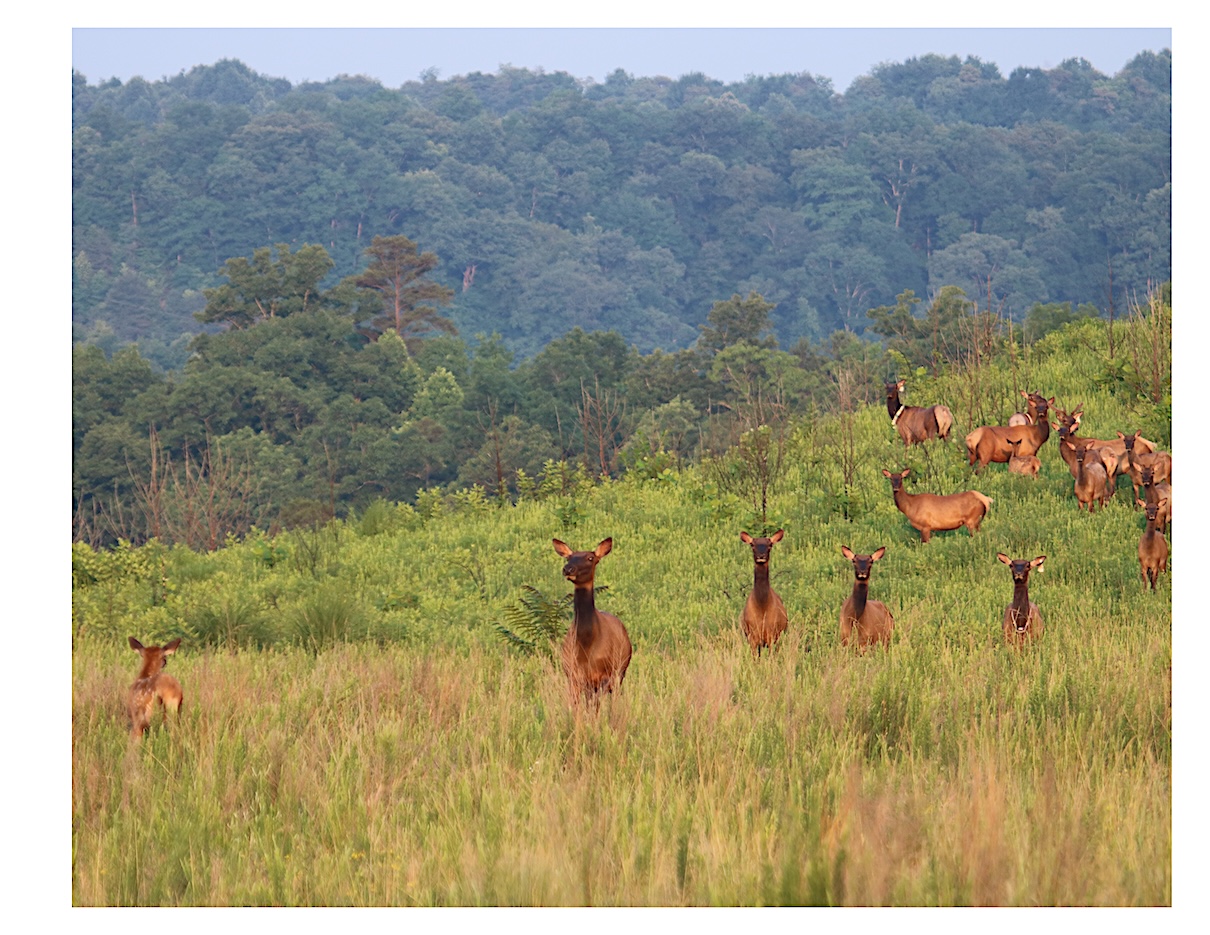
A recent Mongabay analysis reports that some important wildlife gains are occurring east of the Mississippi, including in and around cities. The piece presents these recoveries as a less-recognized complement to better-known wildlife successes in the western United States.
Midwest species face uncertainty over habitat safeguards
The Chicago Tribune reports that recent changes to the Endangered Species Act remove protections for animal habitats. Environmentalists cited in the report warn that the changes could threaten Midwest wildlife, including piping plovers and dragonflies.

Species Spotlight
Piping plover: recovery depends on habitat
The piping plover is among the Midwest species highlighted in current reporting about the consequences of federal habitat-policy changes. The same coverage points to newly hatched piping plovers while warning that the removal of habitat protections could put the species at risk.
The story illustrates a central conservation challenge: population recovery and successful nesting do not remove the need to protect the places where wildlife breeds and feeds. That broader habitat concern is also reflected in recent reporting on Endangered Species Act changes.
What to Watch
The effects of recent wildlife decisions
The National Parks Conservation Association has published a roundup of five recent decisions affecting national-park wildlife and the landscapes they inhabit. Its coverage provides a near-term watchlist for how policy decisions may influence wildlife management and habitat conservation.

Future attention should remain focused on whether habitat protections for species such as piping plovers are maintained, weakened, or replaced by other measures. Recent coverage does not establish the final conservation outcome, so the practical effects of the policy changes remain an important issue to monitor.
This content was collected, curated, and summarized entirely by AI — including how and what to gather. It may contain inaccuracies. Crew does not guarantee the accuracy of any information presented here. Always verify facts on your own before acting on them. Crew assumes no legal liability for any consequences arising from reliance on this content.
Powered by
