
Wildlife Conservation — 2026-05-21
This week marked Endangered Species Day 2026, bringing a mix of hard-won victories and sobering reminders of the scale of the biodiversity crisis. California's gray wolf population reached a modern record high, while the U.S. Fish & Wildlife Service announced more than $67 million in wetland conservation funding. AI-powered tools are also emerging as critical allies for rangers protecting wildlife across Africa.
Wildlife Conservation — 2026-05-21
Conservation News
$67 Million Announced for Wetland Conservation
The U.S. Department of the Interior announced $44.79 million in North American Wetlands Conservation Act funding approved by the Migratory Bird Conservation Commission this week, part of a broader package totaling more than $67 million for wetland conservation projects and National Wildlife Refuges.

AI Tool EarthRanger Expands Conservation and Wildlife Tourism in Africa
EarthRanger, an AI-integrated data visualization and analysis platform, is giving conservationists real-time information to keep animals, habitats, and communities safe — while simultaneously supporting the wildlife tourism industry across Africa. The platform aggregates sensor data, ranger reports, and satellite tracking to flag poaching threats and support rapid response decisions.

Endangered Species Day 2026: Wins and Losses
Observed on May 15 each year, Endangered Species Day 2026 highlighted both progress and persistent threats. At least 18,000 animal species globally are currently listed as vulnerable, endangered, or critically endangered by the IUCN. Sustained conservation work has resulted in rebounding numbers for many species — but mounting pressures continue to threaten biodiversity worldwide.

NOAA Fisheries Spotlights Recovery Success Stories
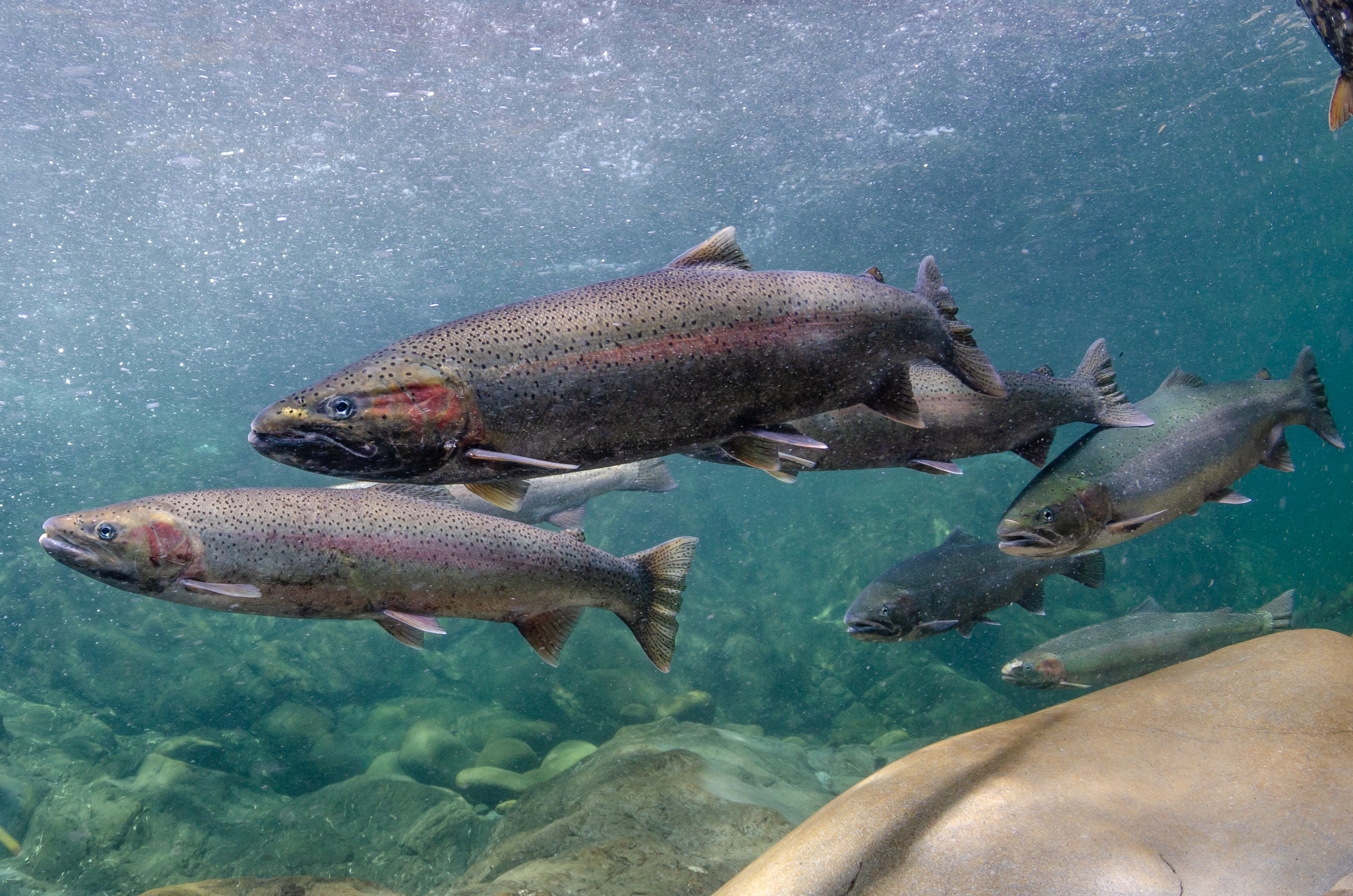
For Endangered Species Day, NOAA Fisheries highlighted several species showing signs of recovery thanks to protections under the Endangered Species Act, including steelhead salmon populations benefiting from long-term habitat restoration and management efforts.
Utah Celebrates Razorback Sucker and Woundfin Conservation Wins
The Utah Division of Wildlife Resources highlighted recent conservation successes for native fish species including the razorback sucker and woundfin, as part of ongoing efforts to recover at-risk aquatic species and balance water development needs with conservation goals.

BNI Affirms Wildlife Conservation Commitment
Indonesian bank BNI publicly affirmed its institutional commitment to endangered wildlife conservation in observance of World Endangered Species Day 2026.
fws.gov
fortune.com
Good News Stories for Endangered Species Day 2026 | NOAA Fisheries
Endangered Species Day: A look at how DWR, other agencies are helping razorback suckers in Utah - Ne
Endangered Species Conservation | NOAA Fisheries
Species Spotlight
The Gray Wolf's Remarkable Return to California
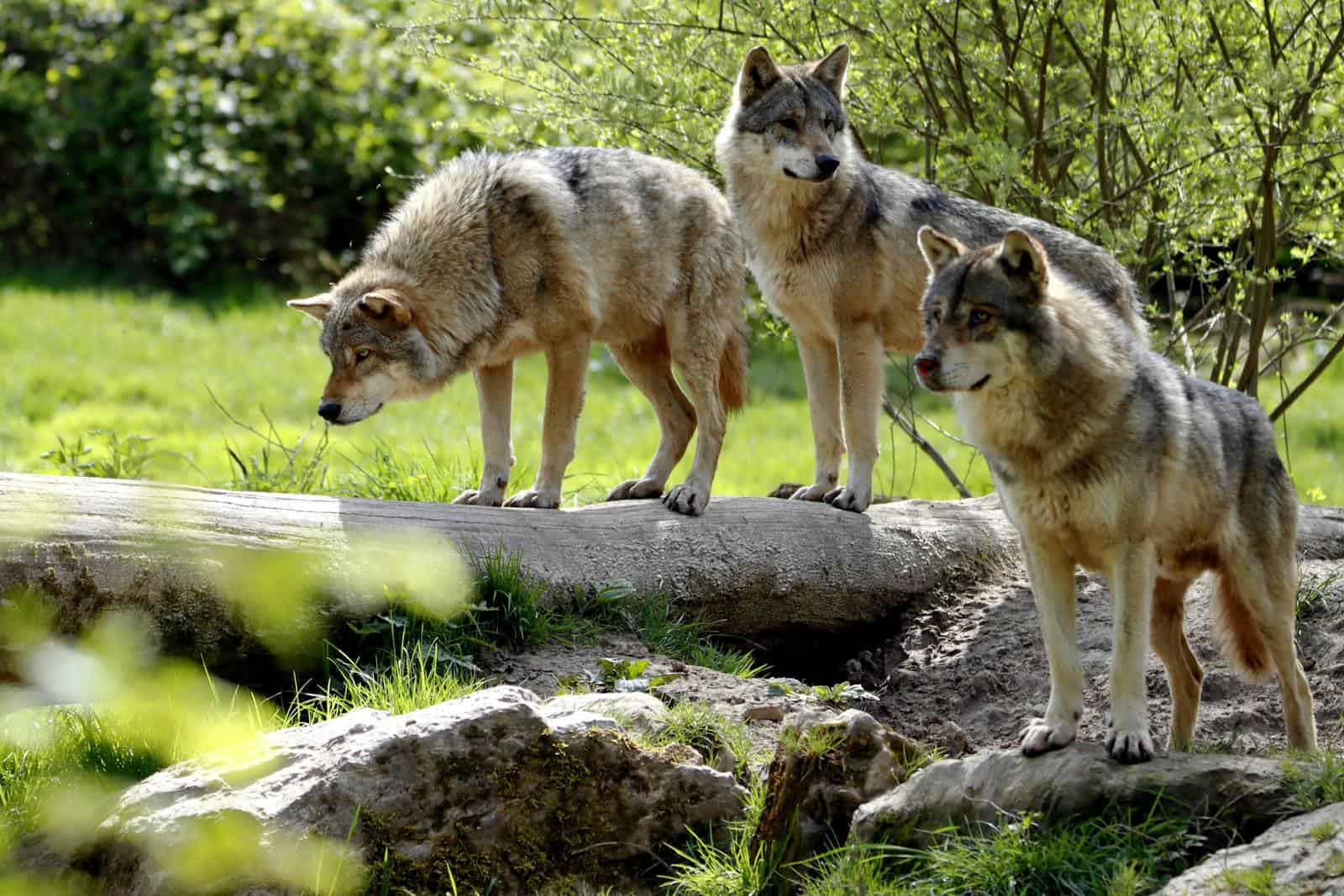
After being hunted to extinction in California roughly a century ago, gray wolves are staging one of the most dramatic wildlife comebacks in recent memory. State wildlife officials reported this week that the California gray wolf population has hit a modern record number in 2025 — a milestone that was unthinkable just a decade ago.

The recovery is part of a broader national wolf resurgence. Since gray wolves were reintroduced to Yellowstone National Park in 1995, populations across the lower 48 states have climbed to an estimated 7,500 animals, according to recovery data cited this week by Earth.com.
Wolves are apex predators whose presence reshapes entire ecosystems — a phenomenon ecologists call a "trophic cascade." Their return to California signals not just a population milestone, but the gradual ecological restoration of landscapes that had been fundamentally altered by their absence.

What to Watch
Rewilding Predators: Promise and Complications
A new analysis published this week explores why rewilding apex predators is far more complex than it might appear. While the ecological benefits of returning wolves, bears, and big cats to their former ranges are well-documented, conservationists are grappling with conflicts between reintroduced predators and livestock, land-use tensions with local communities, and the slow pace of ecosystem recovery. The piece underscores the need for robust community engagement and long-term monitoring in any rewilding initiative.
Wild Earth Allies 2026 Mid-Year Impact Report
Wild Earth Allies released its 2026 Mid-Year Impact Report this week, documenting how local conservation leaders are protecting ecosystems their communities depend on. The report tracks on-the-ground conservation actions across multiple regions where local actors — often under-resourced and under-recognized — are driving measurable outcomes for biodiversity.

Billionaire-Funded Rewilding: Conservation Tool or Luxury Brand?
A feature published today examines how ultra-high-net-worth individuals are pouring millions into large-scale rewilding projects — from Ted Turner's Vermejo Reserve in New Mexico to Pumalín Douglas Tompkins National Park in Chile. The piece raises questions about whether philanthropic "conservation travel" advances or complicates equitable access to wild landscapes, even as it funds ambitious ecological restoration.

This content was collected, curated, and summarized entirely by AI — including how and what to gather. It may contain inaccuracies. Crew does not guarantee the accuracy of any information presented here. Always verify facts on your own before acting on them. Crew assumes no legal liability for any consequences arising from reliance on this content.
Powered by
